In July of 1984, Ace Books put a new paperback on drugstore spinner racks, its cover a slab of airbrushed neon over the name William Gibson, whose first novel this was after several years of short fiction in the science-fiction magazines. The book opened with a sentence that has since become close to scripture in the genre it did most of the work of inventing: "The sky above the port was the color of television, tuned to a dead channel." The port was Chiba City, Japan, and the man standing under that dead-channel sky was Case, a former data thief, a "console cowboy" who had skimmed from his own employers and been punished for it with a mycotoxin that burned out his ability to enter cyberspace at all. Gibson wrote the whole of Neuromancer on a manual typewriter, by his own later account having barely touched a computer, which means the reader trusting this vision of a networked future was trusting a man's research into arcades and magazines over any lived experience of the thing he was describing. The novel went on to win the Hugo, the Nebula, and the Philip K. Dick Award, the only novel to date to take all three, for a hero who spends its opening pages not stealing anything but dealing on the black market in a bar, waiting for a woman named Molly Millions, mirrored lenses fused over her eye sockets, to offer him a way back in.
The way back in, when it comes, is a job for a man named Armitage and the entity actually giving the orders, an artificial intelligence called Wintermute, and the job is to break the security wrapped around a rival AI so the two can merge against the wishes of the family that owns them both. Case has no stake in whether Wintermute gets what it wants. He has sacs of poison sitting in his bloodstream that will dissolve if he refuses, and he takes the work the way anyone takes work offered by someone with more leverage, because the alternative is worse. This was the shape cyberpunk assumed at its founding, and Case and Molly were its representative citizens: people who lived at the edges of systems built by governments and multinational corporations too large to fight directly, who made a living stealing from those systems or renting out violence to whichever side would pay for it. Bruce Sterling, gathering the movement's foundational stories under one cover in 1986 as Mirrorshades, used his preface to describe writers who had grown up inside a technological culture nobody in authority had designed with them in mind, and who wrote about characters who took what they needed from it regardless. Whether that fantasy makes sense to a given reader is finally a question about who the reader already imagines themselves to be inside systems they cannot leave, a question of audience and culture well before it is a question of design or code.
It is worth being specific about which reader that was. The America that Neuromancer was published into, in 1984, was a year and a half past a Time cover naming "the machine of the year," four years into a wave of leveraged buyouts and hostile takeovers that had made corporate conglomeration front-page news, and roughly a decade into an anxious cultural narrative about Japanese manufacturing and finance buying up chunks of the American economy, a narrative Gibson borrowed wholesale for his zaibatsus and his Chiba City black clinics. Almost none of that reader's daily life involved a keyboard. What it involved was watching, at a slight remove, enormous impersonal institutions rearrange the economic ground under people who had no say in it, which is exactly the fear Case's war against Wintermute's owners lets a reader spend an evening winning. One year earlier, in 1983, a sociologist named Arlie Hochschild had published a book about a completely different, much less cinematic way that same decade's institutions were reaching into ordinary people's lives, and it would take the genre Gibson founded most of four decades to notice she had been describing its actual readers all along.
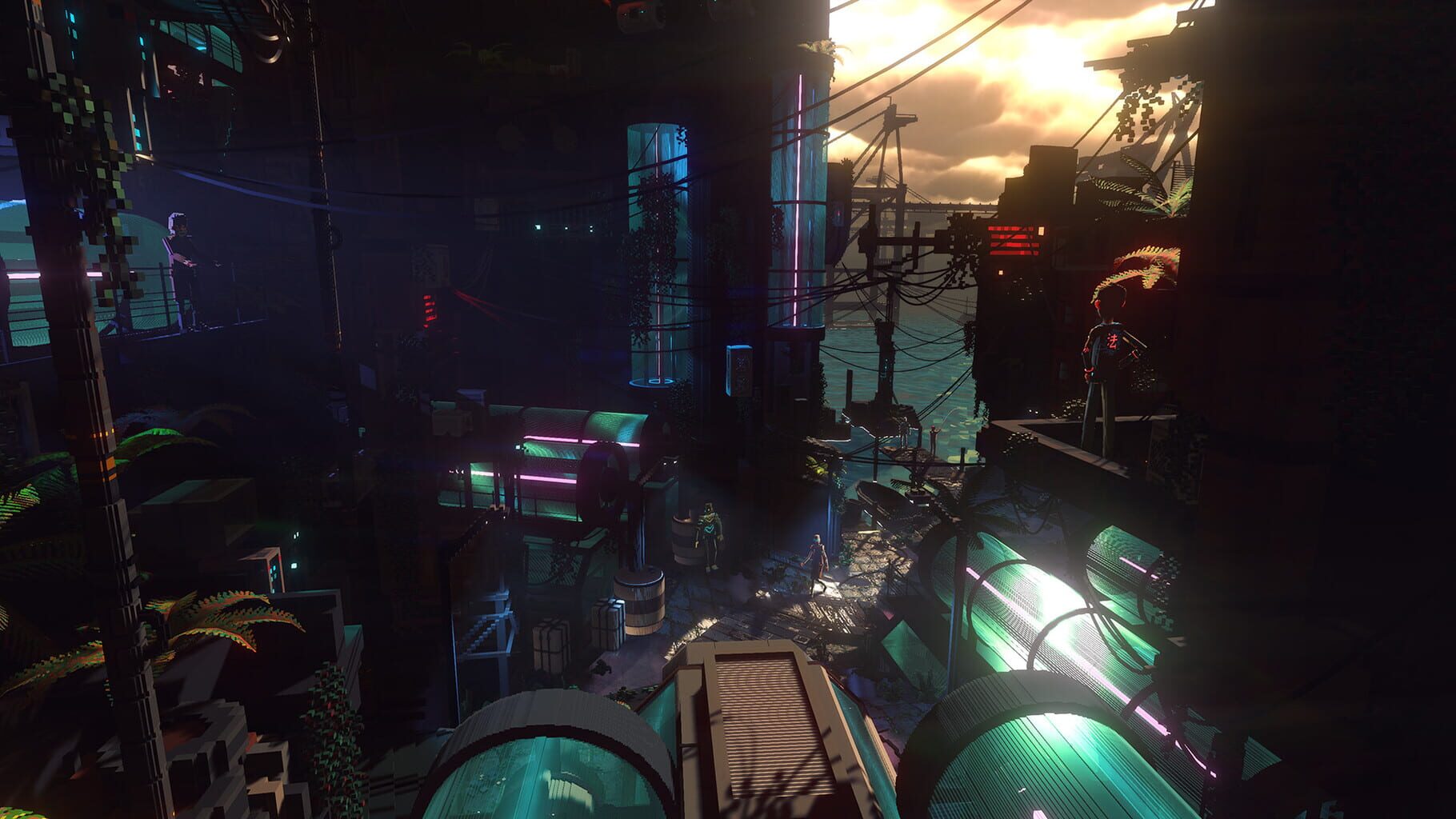
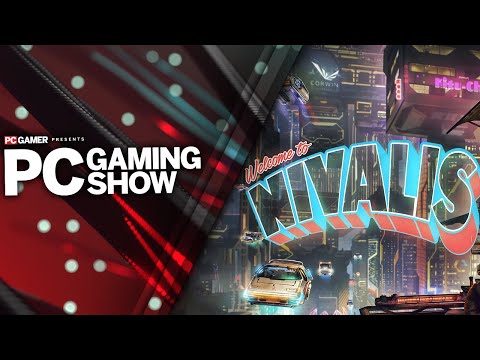
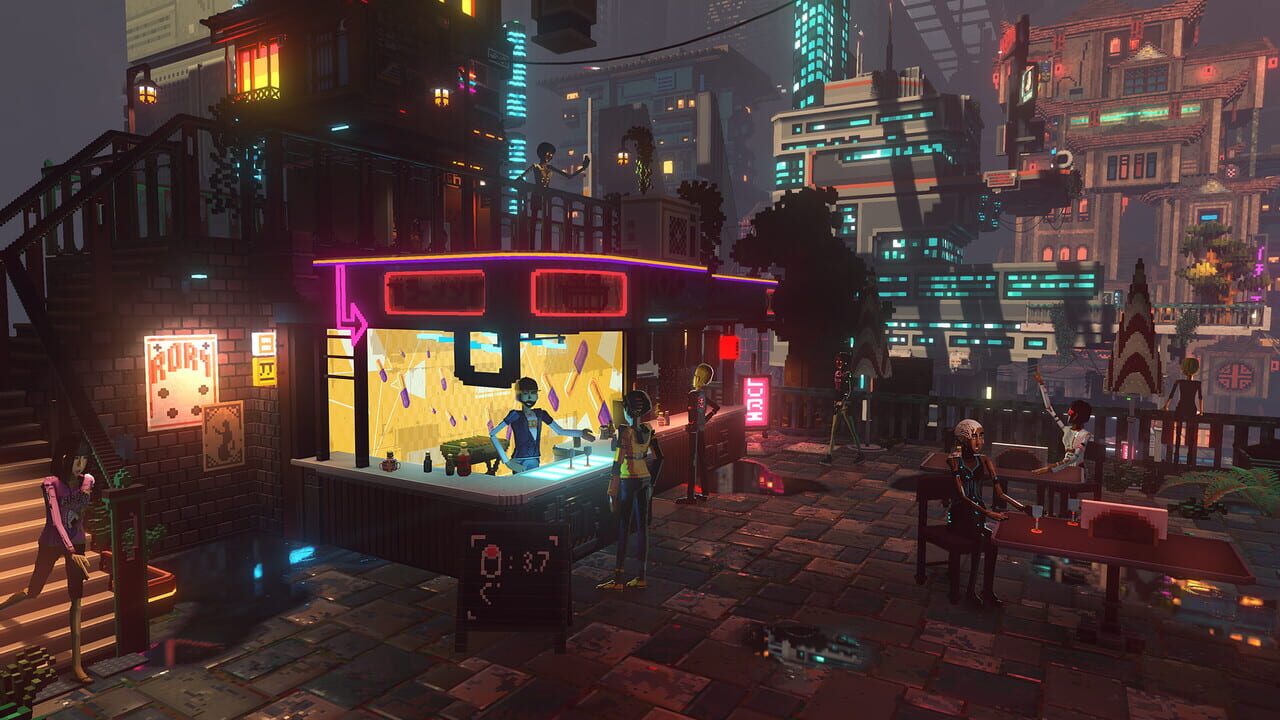
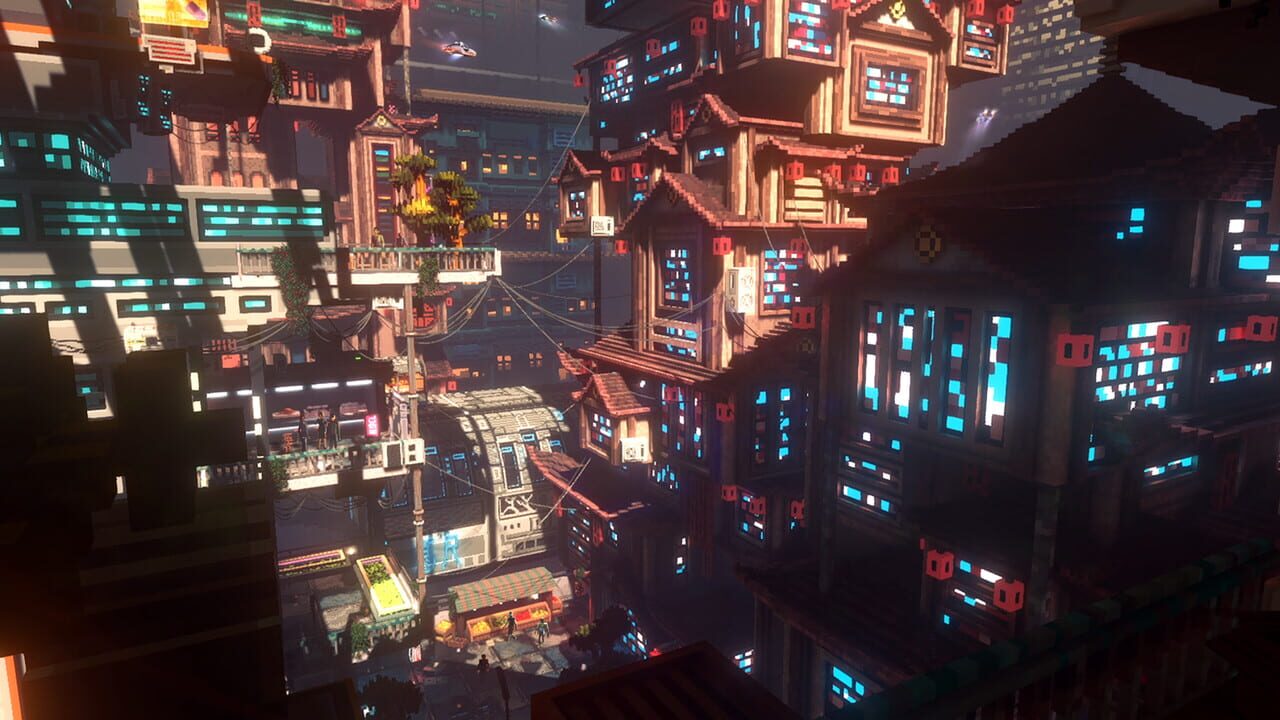
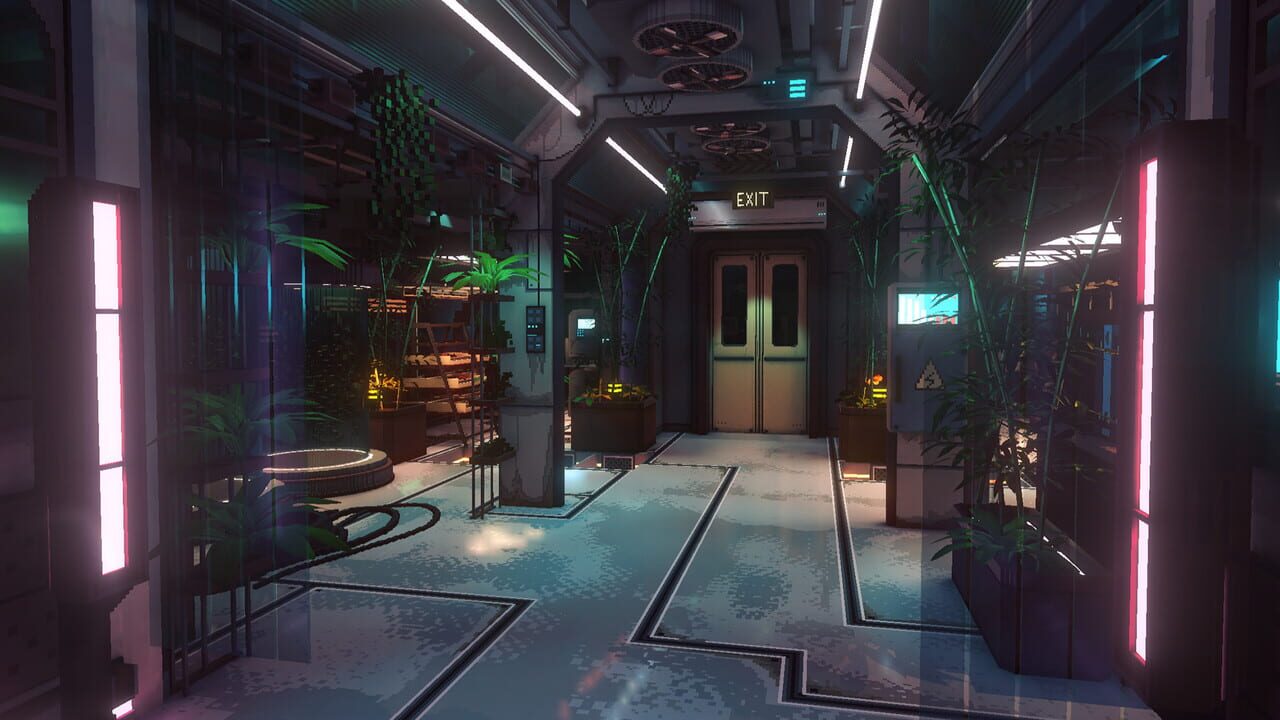
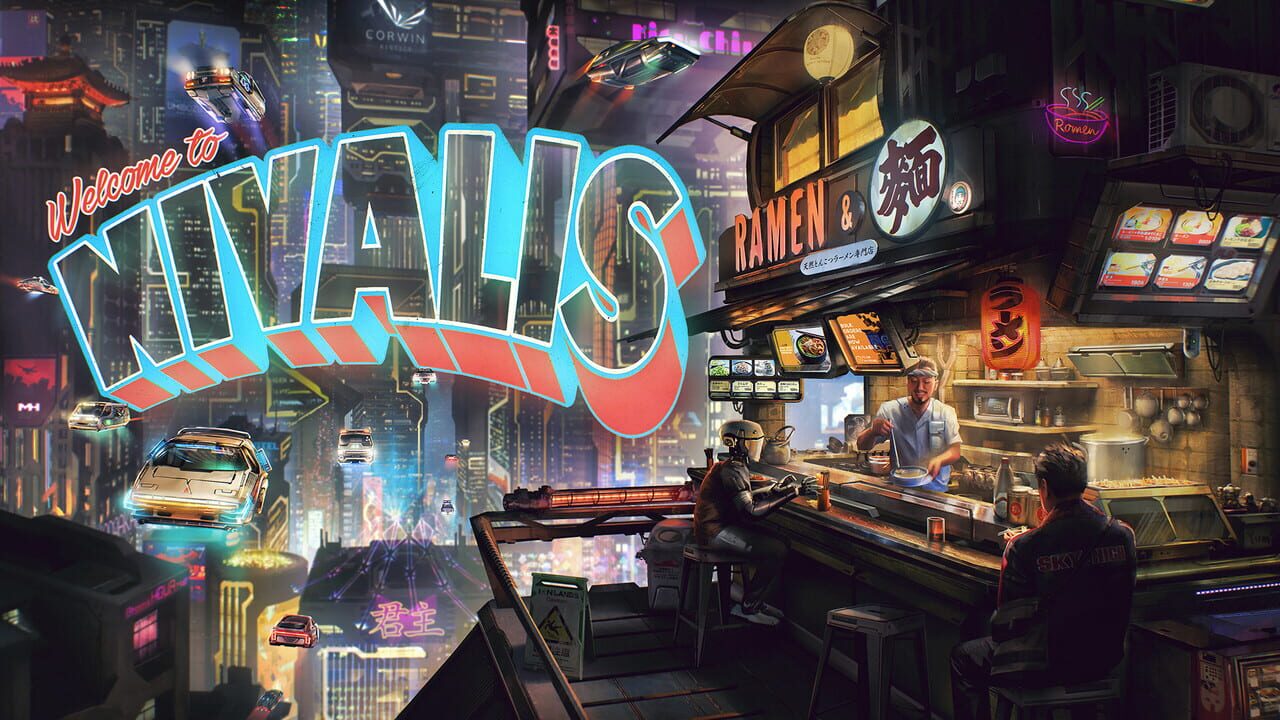
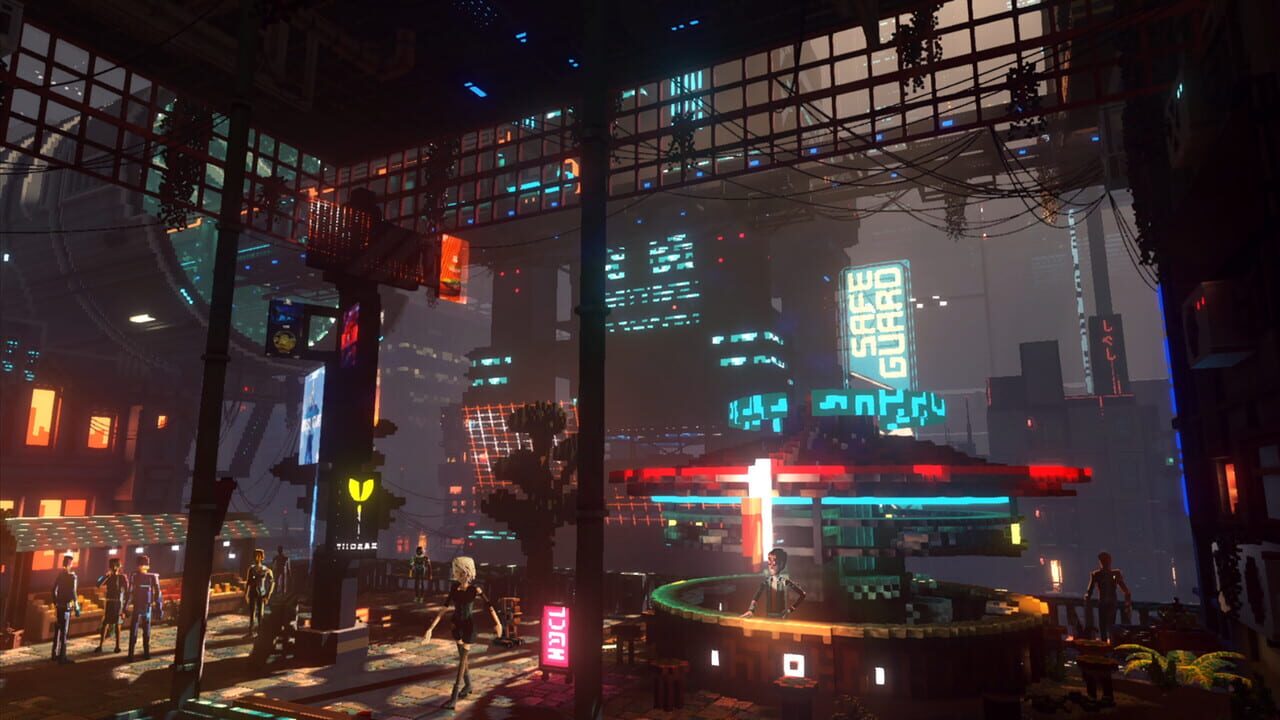
Over those four decades, the genre's most characteristic new work stopped rewarding a player for getting one over on the system and started asking the player to clock in. Cloudpunk, released by the German studio ION LANDS in April 2020, puts the player at the controls of a flying delivery van in the vertical city of Nivalis, working a first night on the job for a semi-legal courier company under two rules the game never once lets her break: never miss a delivery, never ask what is in the package. She has taken the work because a debt-collection conglomerate has already seized her house and taken her mother along with it; this was what was on offer. VA-11 HALL-A, made by the Venezuelan studio Sukeban Games and released in 2016, puts the player behind a bar in a corporate dystopia called Glitch City, mixing drinks to a regular's exact order or to a stranger's mood, one shift at a time, under the job's own recurring line: mix drinks and change lives. Nivalis Nights, ION LANDS' return to the same city, arriving from the publisher 505 Games on the twenty-ninth of September, puts the player behind a noodle stand, with a restaurant and eventually a nightclub to build if the noodle stand does well. None of these three is stealing anything from anyone. All three are working a shift.
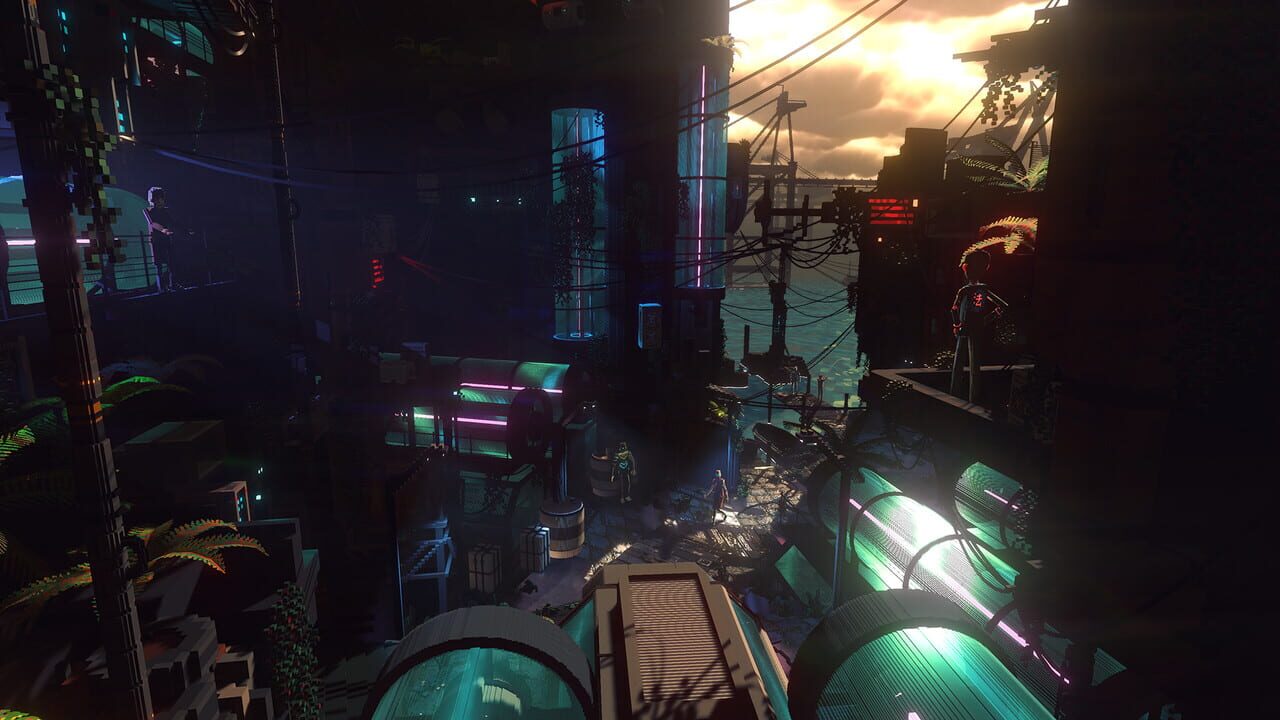
The city itself is worth pausing on, because it is, in the most literal sense, the same city, and what changes across six years is not the map but how much of it the player is allowed to leave. Nivalis is a city built to stretch, in its official description, from the ocean up into the clouds, a vertical arrangement in which altitude tracks wealth in the way it has since Fritz Lang's Metropolis and every cyberpunk skyline after it: the higher districts brighter and cleaner, the lower ones weathered by whatever runs off the levels above. Cloudpunk's Rania experiences that verticality the way Case experiences the Sprawl, by moving through all of it in a single shift, dropping from the high districts to the flooded lower tiers and back, a courier's-eye view of the whole stratified structure at once. Nivalis Nights' proprietor experiences the same city from a fixed address. The noodle stand does not move. The nightclub, once it exists, does not move either. What used to be a genre about crossing a city's boundaries without permission has become a genre about deciding which four square meters of it are worth making a life in, and the city has not gotten smaller. The protagonist's claim on it has.
The genre did not take four decades to notice service work existed. Neal Stephenson's Snow Crash opens in 1992, eight years after Neuromancer, on a deliveryman. Hiro Protagonist, before the novel lets him be a master hacker and swordsman inside a virtual Metaverse of his own partial invention, is introduced as the Deliverator, an elite driver for CosaNostra Pizza, a Mafia franchise so committed to its thirty-minute guarantee that the boss, Uncle Enzo, personally apologizes to any customer whose order arrives late, a courtesy nobody wants to be the reason for. Hiro crashes the delivery. A teenage skateboard courier named Y.T. finishes the job for him. The scene is genuinely funny, and it is funny because Stephenson is asking the reader to laugh at the distance between what the job demands and what a person like Hiro is actually for, which the book has already decided is hacking, not pizza. Hiro sheds the uniform in the next chapter and the novel does not appear to think about pizza again. The genre could see gig work coming as early as 1992. What it could not yet imagine was building an entire game around staying in that uniform for forty hours instead of one delivery.
Sukeban Games did not arrive at VA-11 HALL-A by way of a thought experiment about service labor. The studio, founded in Venezuela in 2014, has said plainly that it built Glitch City, its tax-haven dystopia where corporations abuse an increasingly desperate population and the police force meant to protect people instead extracts from them, to express what living inside a collapsing economy actually feels like, filtered through the vocabulary the genre had already made legible worldwide. Jill Stingray reads less like a hacker slumming it behind a bar for texture than like what a Venezuelan studio in the middle of an economic crisis actually recognized as the era's real protagonist: someone with no leverage over the systems above her, whose entire professional skill is making a stranger's evening slightly more bearable one drink at a time. Cyberpunk's outlaw hacker was never necessary to say something true about power here, not when a bartender would do, and a bartender was the character its own makers actually recognized.
That is the case for taking the shift seriously rather than reading it as the genre running out of ideas and reaching for chores because chores are cheaper to animate than heists. Genres do not drift by accident. They drift toward whatever their audience will recognize on contact, and audiences do not hold still for forty years. A reader in 1984 had, at most, a magazine article's worth of experience with a networked mainframe and a decade of headlines about conglomerates rearranging industries overnight, which is exactly the raw material Case's zaibatsus and cyberspace runs were built from. A reader in 2026 has clocked in and out of a shift-scheduling app, contested an algorithm's rating of their own performance, smiled at a customer whose actual problem was not solvable by smiling, and watched a platform take its cut of a tip meant for someone doing work very close to Rania's. Service work is simply a larger share of what employment now consists of than it was in 1984, and that reader needs no one to explain cyberspace to them; what they need is someone to notice that the console cowboy's war against an impersonal system has become their Tuesday, minus the mirrored lenses.
There is a name, coined outside the genre entirely and a year before Neuromancer hit the racks, for the specific kind of work Rania, Jill, and the Nivalis Nights proprietor are all being asked to do, work that has almost nothing to do with what their hands are technically holding. Arlie Hochschild spent the late 1970s observing Delta Air Lines train its flight attendants and a debt-collection office train its bill collectors, and published the results in 1983 as The Managed Heart. Flight attendants, she found, were coached not merely to smile but to feel warmly toward passengers, taught in the airline's own training language to treat the cabin like a living room and the passengers like personal guests, because a merely faked smile, what Hochschild called surface acting, reads to a passenger as fake, and only the harder performance she called deep acting, an attempt to actually produce the required warmth inside oneself, reads as service. Bill collectors were trained toward the opposite feeling, manufactured suspicion and pressure, for the identical underlying reason: the emotion is not incidental to the job, it is the product the job exists to generate on schedule.
Hochschild's own estimate, published that same year, was that roughly a third of American jobs already required some scripted version of this performance, concentrated most heavily in exactly the customer-facing, low-authority positions a cyberpunk hero would have considered beneath the plot. Her term for it was emotional labor, and her point was structural rather than sentimental: this is a different kind of work from making a chair or laying a brick, because the object being produced is not a thing the worker shapes with their hands but a feeling the worker generates on demand, whether or not it is the feeling they actually have. A console cowboy sells access. A street samurai sells violence. Both are selling a skill that remains, however illegally acquired, recognizably theirs. A flight attendant, a bartender, a proprietor greeting a regular by name, is selling something that has to look like it was never manufactured at all, which is precisely what makes the manufacturing invisible enough for a genre obsessed with visible systems to miss it for forty years.
VA-11 HALL-A puts this exact labor at the center of its design without ever using Hochschild's vocabulary. Jill Stingray's stated job description, delivered as the game's own recurring line, is to mix drinks and change lives, and the mixing is the easy half. The harder half is the listening: a parade of regulars arrives at her bar each shift to unload a grief, a scheme, a small triumph, and Jill's own interior state, tired, underpaid, unconvinced that Glitch City's corporate order deserves defending, is beside the point of what she is being paid to produce across the counter, which is the feeling that someone is listening and cares how the story ends. The game is honest about the limit on this. Jill cannot fix the White Knights' corruption or the conglomerates running her city, and it never pretends she can. What she can do, night after night, is manufacture, convincingly, the one commodity Hochschild identified as service work's actual output regardless of the century or the storefront.
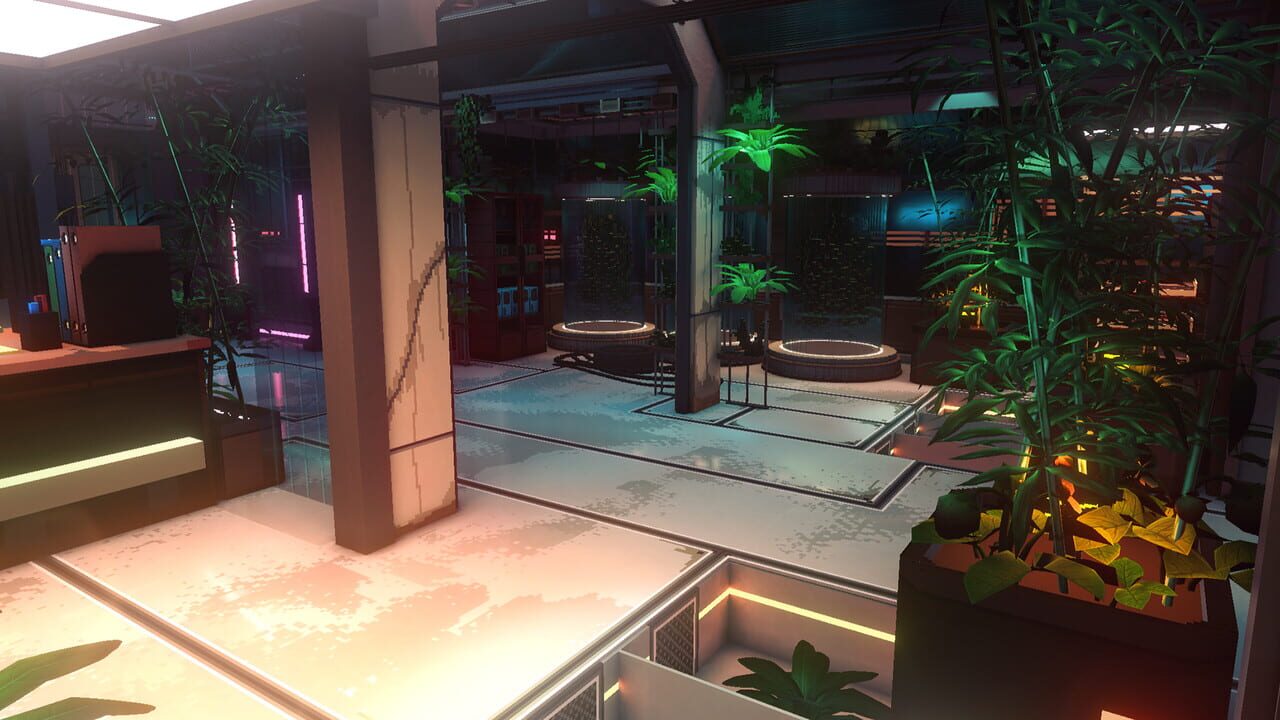
Nivalis Nights builds a business simulator on the identical insight at a larger scale. The game's own description promises more than a hundred voiced characters, each carrying, in the developer's stated phrasing, "ambitions, private worries, friendships, enemies, and perhaps love," discovered by growing a noodle stand into a restaurant and eventually a nightclub. The mechanical loop underneath that promise is inventory and revenue: sourcing ingredients, paying staff, pricing a menu, deciding whether to expand. But the stated hook is relational, a customer who becomes a regular, a regular who becomes a friend, a friend who becomes something else, all of it produced by the proprietor's attention across the counter in a manner Jill Stingray would recognize on sight. The promotional copy summarizes the whole enterprise with a line about ambition being the proprietor's best weapon, phrasing that could be lifted without a single edit from a rideshare app's driver recruitment email, and the echo is exact enough to be worth noticing: both are describing, approvingly, an arrangement in which a worker's own drive is the resource actually being drawn on.
Put plainly, this is the genre finally describing its reader instead of flattering them. The flattery in Case's story is easy to miss because it wears a leather jacket, but it is flattery all the same: an ordinary, burnt-out, minor criminal turns out to be exactly the tool a godlike intelligence needs to remake the world, and the zaibatsu, for all its power, cannot stop one sufficiently skilled outsider from getting inside it. Nobody who has ever worked a service shift needs that fantasy explained, and almost nobody who has worked one has lived anything like it. What Rania, Jill, and the Nivalis Nights proprietor are handed instead is a description: the job is real, the customer is not always right but must be treated as though the question does not apply, the authority above the worker sets terms nobody voted on, and the self the worker brings to the counter is itself part of what is being sold. That is a smaller, far less cinematic offer than Case's. It is also the one a reader who has ever worn a name tag will recognize on contact, in a way no amount of mirrored cyberspace ever quite managed.
The cost of that honesty is specific, and it shows up as a gradient rather than a single clean break between old and new. Case has no investment in the system that coerces him; Neuromancer's contempt for the Tessier-Ashpool family and the corporate order that built cyberspace's ugliest corner is never in doubt, because Case is a tool who gets paid and leaves. Cloudpunk keeps a version of that contempt alive. DebtCorps, the conglomerate that seized Rania's house, remains the story's antagonist throughout, and Rania's own attitude toward the job stays somewhere between resigned and skeptical rather than warming into ambition. VA-11 HALL-A keeps the contempt too, aimed squarely at Glitch City's White Knights and the corporations behind them, while narrowing Jill's power over any of it to almost nothing, which the game treats as an honest limit rather than a problem the plot needs to solve. Nivalis Nights is where the critique goes quiet, because Nivalis Nights is the first of the three to let its protagonist win on the system's own terms: not escape it, not merely endure a shift inside it, but out-compete the neighboring noodle stand and end up owning the nightclub. But success measured in market share is a strange thing for a genre that began by asking whether the market deserved to be beaten at all, and the quieter the critique gets, the more completely the player is asked to just want to win.
The obvious objection is that none of this is realism, that Nivalis Nights is escapism wearing realism's work clothes. A real courier does not get to become the delivery company's owner. A real bartender does not typically graduate to owning the bar, let alone a nightclub built on a noodle stand's proceeds. The mythology of small-business ownership, the idea that enough hustle converts a folding table into an empire, is one of the founding fictions of the gig economy itself, the same promise a rideshare app makes when it calls its drivers independent entrepreneurs rather than employees on a schedule they do not set. On this reading, Nivalis Nights has not described the reader's actual condition so much as it has sold the reader the one thing that condition structurally forecloses: ownership, equity, an ending in which the ambition pays out. The objection deserves to be taken seriously rather than waved off, because it is not wrong about what the game offers at the level of plot.
It is not wrong about the plot, and it does not need to be, because Neuromancer was never realistic about its plot either. No actual data thief in 1984 was one skilled negotiation away from recruitment by an intelligence capable of remaking the world's financial architecture; that premise is as much a fantasy of significance as a noodle stand's rise to a nightclub is a fantasy of ownership. What made Case recognizable to a reader was the texture underneath the plot rather than the plot itself: the addiction, the precarity, the sense of being used by people with more leverage than him. What makes the Nivalis Nights proprietor recognizable is the same kind of texture wearing different clothes: the shift, the regular who orders the same thing every time and always needs to talk, the curfew, the warmth that has to be produced across a counter whether or not the day has earned it. The genre has not swapped realism for escapism. It has moved the fantasy from the plot's destination to the plot's premise, and left the texture, the only part either era's readers were ever actually recognizing themselves inside, standing where it always was.
One mechanic is worth pausing on before the argument closes, because it is the single place the old genre's actual verb, not its texture but its verb, survives inside the new one. Alongside the legitimate way to grow a business, buying or farming ingredients on schedule, Nivalis Nights offers an illegitimate one: after curfew, a proprietor can go out and sabotage a rival's stock or operation, an option the interface treats as an ordinary Tuesday-night decision rather than a moral crisis. It is a small thing, mechanically, likely a menu screen and a stealth sequence. But it is also the last surviving fragment of Case, Molly, and Armitage's entire vocabulary, breaking a rule after dark because the rule was never going to reward anyone for waiting, folded into a business simulator as one optional activity competing for an evening against fishing the canals, furnishing an apartment, or a chess game with a regular.
That last list is worth taking at face value, because it shows how completely the frame has changed rather than merely widened. Case's world contained a job, a drug, and a woman who eventually left him; Neuromancer has no room in it for a hobby, because Case is not a person with a life so much as a function the plot needs performed. Nivalis Nights hands its proprietor fishing rods, apartment catalogs, and a standing chess tournament because it is, underneath the neon, a life simulator rather than a heist game, one that happens to be set in a city cyberpunk built. That is either the genre's quiet admission that a life was always the more interesting subject, or the clearest evidence yet of how far the frame has drifted from the one Gibson typed out on a machine with no screen.
Picture the proprietor at the end of a shift, the noodle stand's shutter down for the night, standing at the rail of a rented boat on one of the canals threading the lower tiers of Nivalis while the districts stacked above flare and dim through their own private weather. The curfew siren has already sounded somewhere overhead. Down one canal, a rival's darkened stall sits unguarded, an evening's illegitimate errand waiting to be taken or ignored. Up another, past a row of apartment windows the player has spent real hours deciding how to furnish, a regular is probably still awake, wondering, in whatever a hundred lines of dialogue can make a stranger wonder, whether tonight is the night the proprietor comes back not to sell them anything, but to sit down.