On January 11, 2022, roughly eighteen hundred players of Foxhole, a persistent online war game that had been running as a live early-access project since 2017, stopped hauling crates. They called themselves L.O.G.I., the Logistics Organisation for General Improvement. None of them fired a shot as part of the action, because firing shots was never the job. Foxhole's war runs on supply: every rifle issued and every soldier's spawn into a frontline base draws down a stock of materials, down to a single clothing item the community calls a Shirt, consumed one per spawn, that someone has to mine, refine, and drive to the line by truck and train. It is slow, thankless work, and, until that week, it was unrewarded by anything the game itself measured. L.O.G.I. had sent the developer, Siege Camp, a ten-point list of grievances about how badly the resupply systems served the people doing that work, and got back, in the phrase that circulated afterward, only "radio silence." So the logistics players voted to stop, and did, for forty-nine days. Frontline demand for basic equipment spiked within the first week, proof the strike had teeth. A spokesperson using the handle Squashyhex told reporters the group was "very much a player advocacy group in essence," not a union in the traditional sense, a distinction the mechanics of a labor stoppage did not much observe. On March 1, Siege Camp shipped a patch addressing most of the ten points, and an organizer going by Knight called off the boycott, telling members there was "a lot that has been achieved and a lot to be proud of."
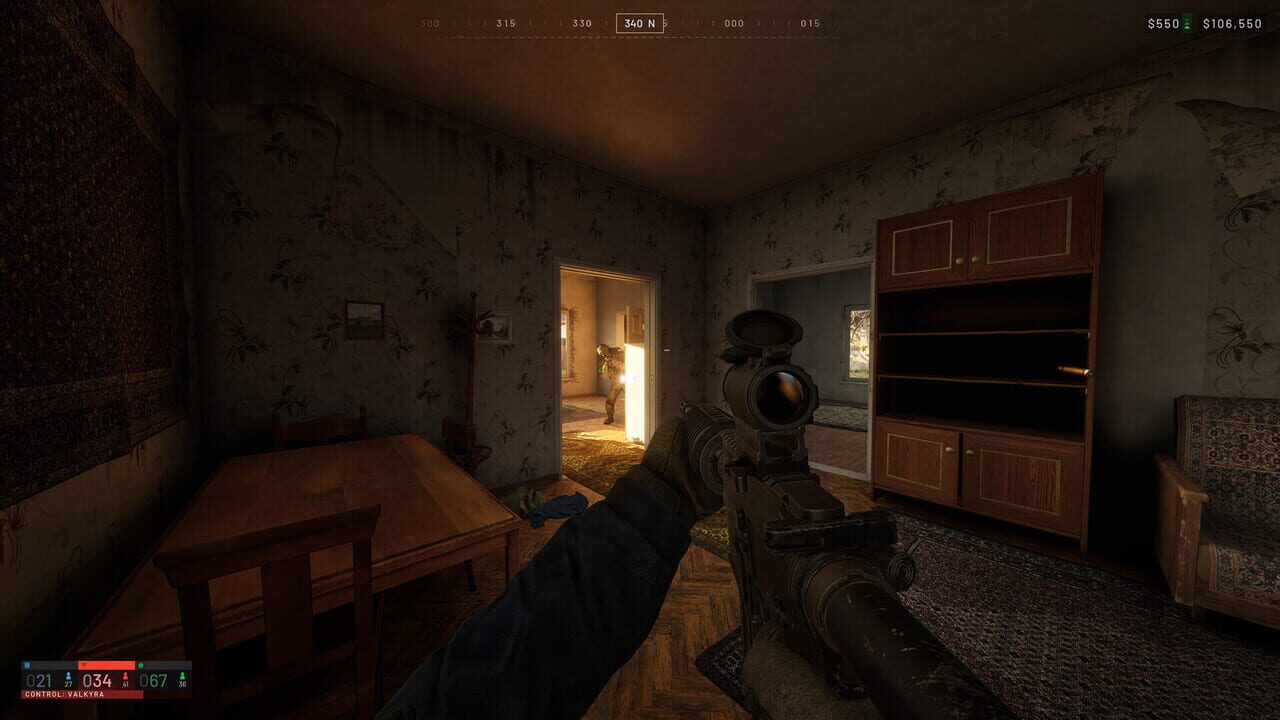
Nobody at Siege Camp assigned these players a shop steward. Nothing in Foxhole's code recognizes L.O.G.I. as an entity: it exists entirely in the social layer above the game, in Discord servers and forum threads the developer does not administer. That a population of strangers numbering in the thousands built a functioning collective-action structure on top of a piece of commercial software, over a shared resource none of them individually owned, is a fact about people organizing themselves before it is a fact about level design. It is the kind of thing a sociologist notices before an engineer does, and it is the frame this essay puts on Wardogs, the hundred-player, three-team combined-arms shooter that Bulkhead and its publisher, Team17, are due to put into early access on September 10, 2026: not what the game's systems simulate, but what conditions among strangers they accidentally, or deliberately, rebuild.
Bulkhead is a small studio to be attempting a project this size. Five graduates of the University of Derby founded it in 2015, and it built its name on Battalion 1944, a nostalgic, competitive World War Two shooter funded through Kickstarter in February 2016 and released on May 23, 2019: small-scale and deliberately old-fashioned, a throwback to arena shooters from before matchmaking finished hardening into the genre's default setting. Wardogs is close to the opposite bet: combined arms, three factions, a hundred players, a persistent economy, destructible terrain. It is the same studio, a decade more experienced, choosing to build the exact kind of large, leaderless population its first hit never had to manage.
Most modern shooters do not produce anything like L.O.G.I., and the reason is architecture, not temperament. There was a period, before broadband made a global matchmaking queue practical, when multiplayer mostly meant finding a dedicated server and staying on it: the same names in the same rotation, week after week, moderated by an admin who learned the regulars by their play style before their username. Matchmaking replaced that with something better by almost every measure that matters to a publisher: a queue that fills fast, balances skill automatically, and delivers a fair fight with strangers who will, by design, probably never be grouped together again. That promise is the whole point, and matchmaking keeps it with remarkable consistency. What it also does, as a side effect nobody had to intend, is dissolve nearly every condition under which cooperation between strangers has ever reliably formed.
There is no repeated interaction, so there is no future for good behavior to protect: a player who lets a teammate down this round pays no compounding price next round, because there mostly is no next round with these particular strangers. There is no local reputation, so trust cannot accumulate the way it does among neighbors or coworkers: the smurf, the thrower, and the player carrying the team are, to everyone else at the loading screen, identical. There is rarely the ability to speak to the one person actually standing next to a player, since voice, where it exists at all, is typically a single team-wide channel, a broadcast to everyone rather than a conversation with anyone in particular. And there is usually no resource that can actually run out: ammunition regenerates, respawns are free or nearly free, and even the shooters that meter death do so at the scale of ten or twenty players, not a hundred. None of this is an accident or an oversight. Matchmaking succeeded completely at the one job it was built to do, a fair and frictionless match delivered fast, and fairness, frictionlessness, and speed turn out to be close to the opposite of what strangers need before they start relying on each other.
Whether a hundred strangers can be made to cooperate without a leader, and without ever promising to meet again, is not a new question, even if matchmaking is a new way of asking it badly. It has an old name in a body of research that has nothing to do with games: the study of common-pool resources, resources that are hard to fence off and that one person's use depletes for everyone else, fisheries, forests, irrigation channels, mountain pastures. For most of the twentieth century, the working assumption about resources like these was fatalistic: left to a group, a shared resource gets used up, because every individual has an incentive to take a little more than a fair share before someone else does, and nobody individually benefits from being the one who holds back. The standard fix was external: privatize the resource so somebody owns the incentive to protect it, or hand it to a state agency to police. Elinor Ostrom spent decades checking whether that was actually how shared resources behaved in practice, rather than in theory.
Mostly, it was not. Ostrom, a political scientist by training, studied irrigation communities in the Philippines and Spain, communally managed forests in Japan, and a centuries-old alpine pasture in the Swiss village of Törbel, and found, case after case, groups of resource users who had governed shared, depletable commons for generations without privatizing them and without a central authority running the show. She published the synthesis in 1990 as Governing the Commons: The Evolution of Institutions for Collective Action, and in 2009 the Royal Swedish Academy of Sciences awarded her the Nobel Memorial Prize in Economic Sciences for it, jointly with Oliver Williamson, making her the first woman to win the prize. Out of the durable cases, Ostrom drew eight recurring design principles, features common to the commons that lasted and largely missing from the ones that collapsed. Five travel well to a battlefield that resets every match: a clearly defined boundary around who counts as a user and what counts as the resource; rules of use fitted to the specific, local conditions of that resource, rather than imported wholesale from somewhere else; some form of collective say, for the people affected, in how those rules get set; monitoring carried out by the users themselves, or by someone accountable to them, rather than by a remote authority; and graduated sanctions, penalties that start small and escalate, rather than either total tolerance or instant excommunication. The other three, a cheap and local way to resolve disputes, an outside authority that does not override the group's own right to organize, and, for the largest commons, nested layers of governance, matter more to a fishery that has to hold together across generations than to a war that ends in under an hour, and this essay leaves them where they belong.
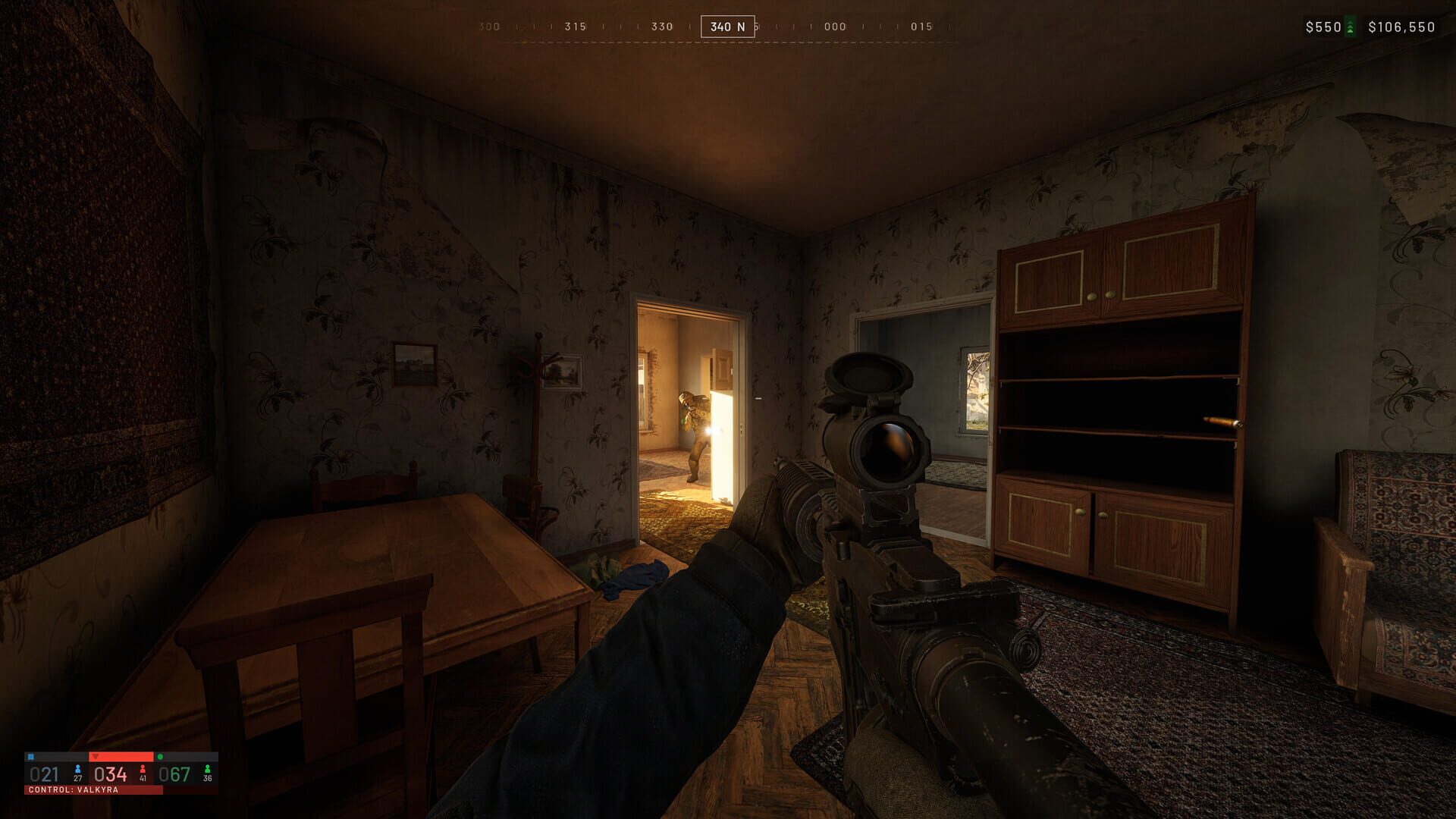
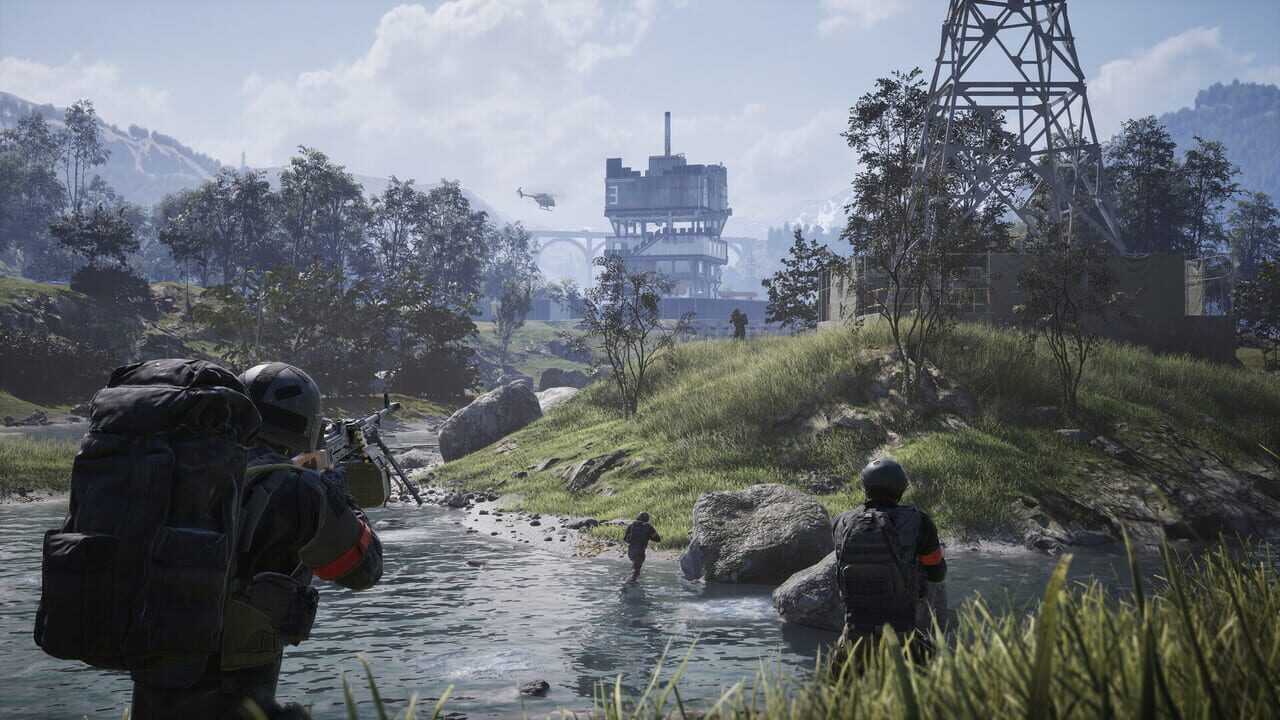
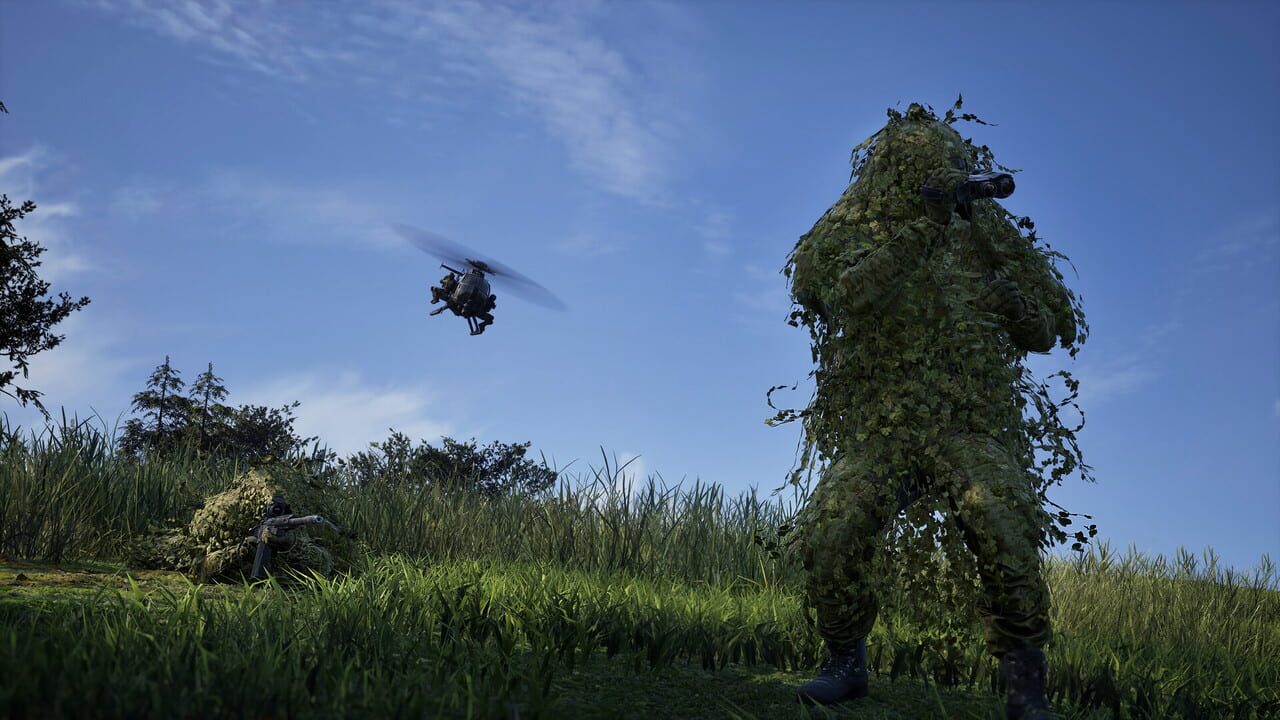
Wardogs meets an unusual number of the first five simply by virtue of what kind of game it is. The boundary is not a metaphor: a match caps at a hundred players, split into three teams, competing over a control zone two kilometers on a side, its location redrawn at random somewhere inside a 256-square-kilometer map, an area more than four times the size of Manhattan. Everyone on that map is either holding the same contested ground or trying to take it from two other named, visible teams, a far more legible boundary than the one around a standard shooter's lobby, where the only fact the other players share is that a queue happened to find them at the same moment. Because the zone itself relocates every match, its local conditions cannot be learned once from a static map and relied on for years the way a competitive player memorizes a callout. They have to be read fresh, on the ground, by whoever is actually standing there, which is close to the live, particular fit between rule and terrain that Ostrom's fieldwork kept finding in commons that held together and missing from the ones governed by distant, generic policy.
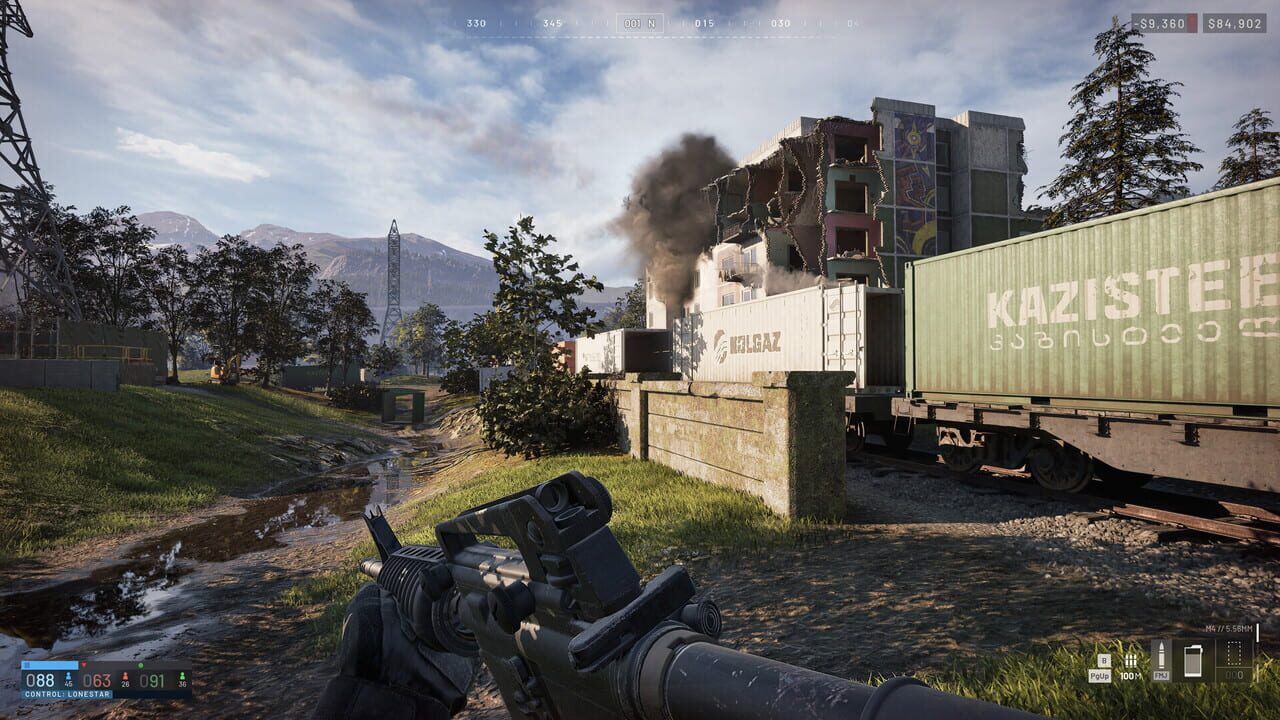
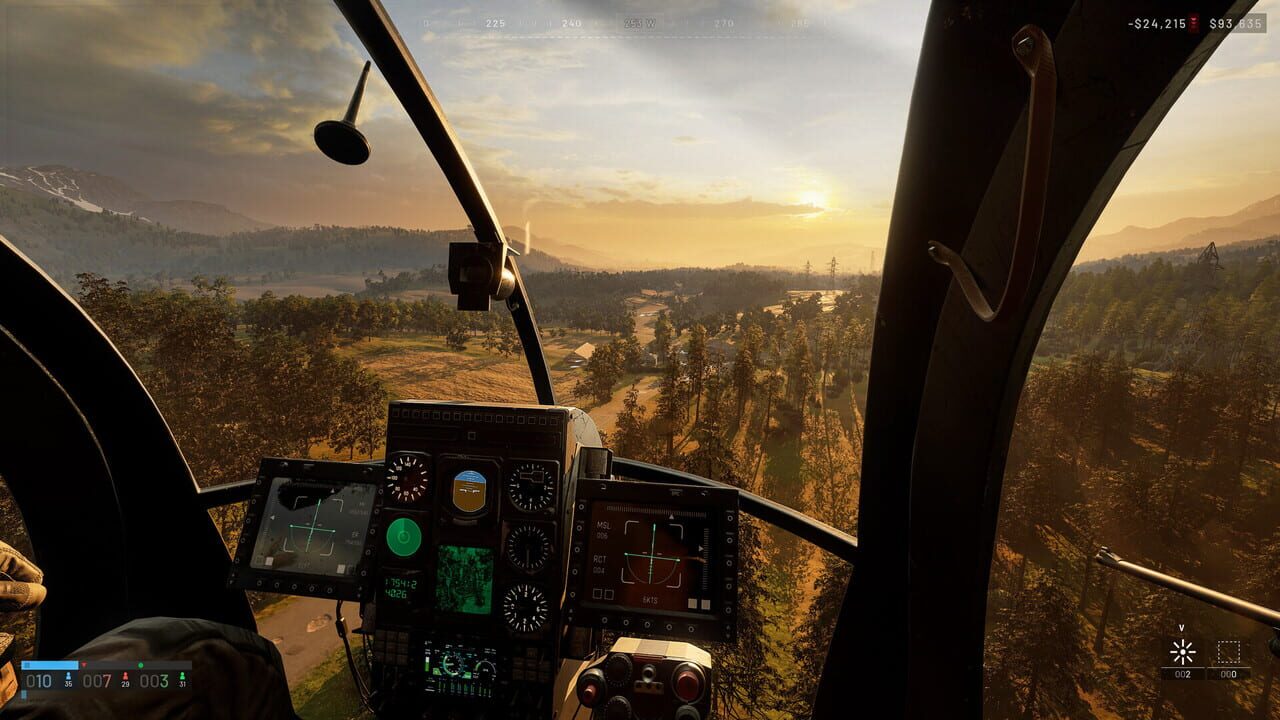
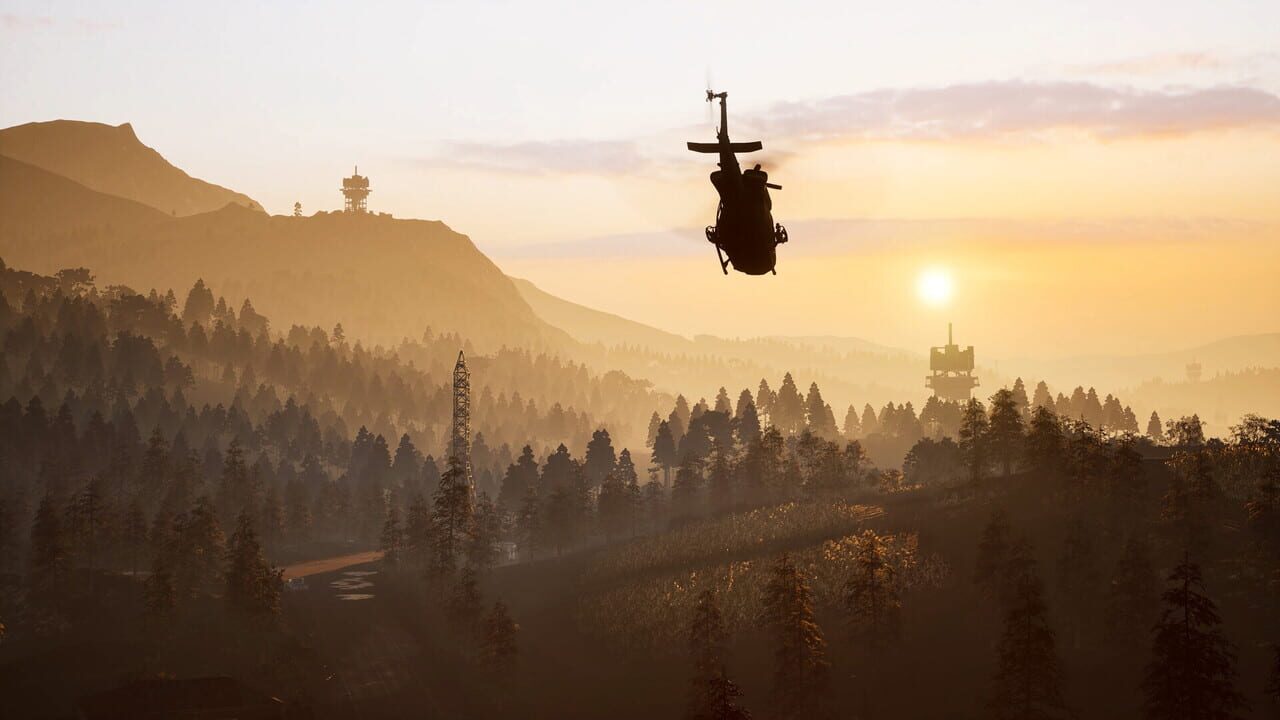
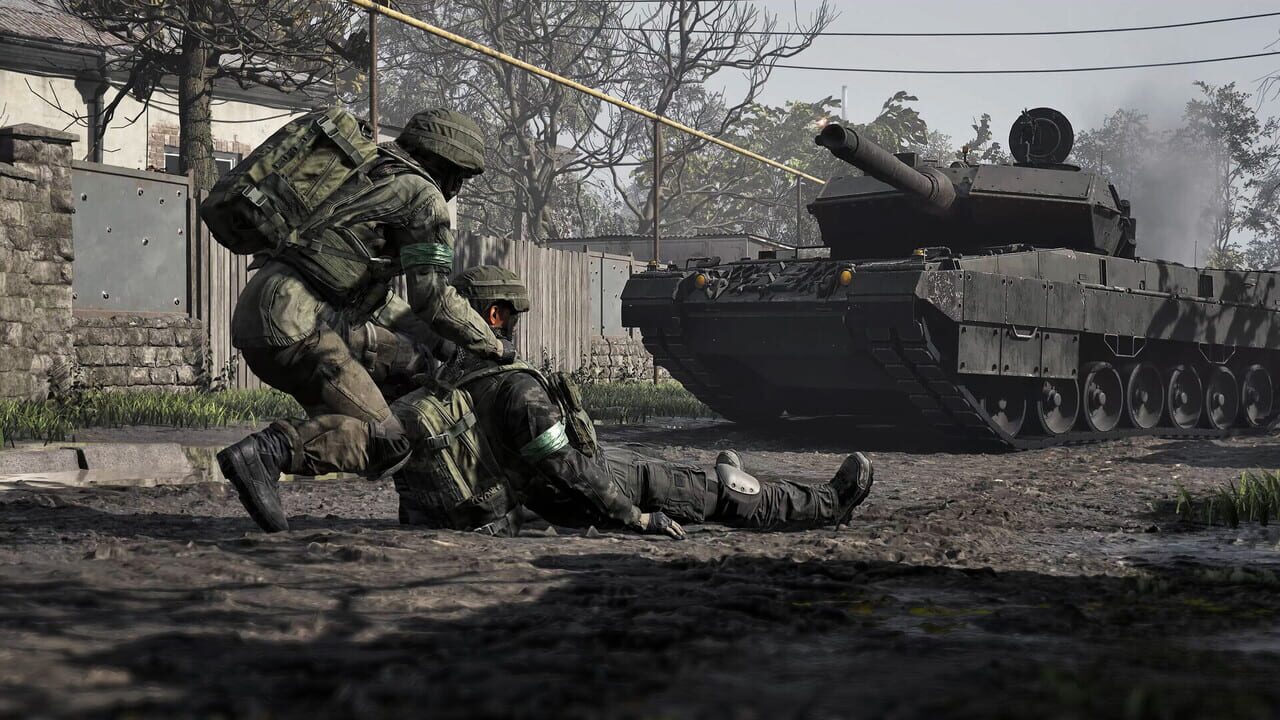
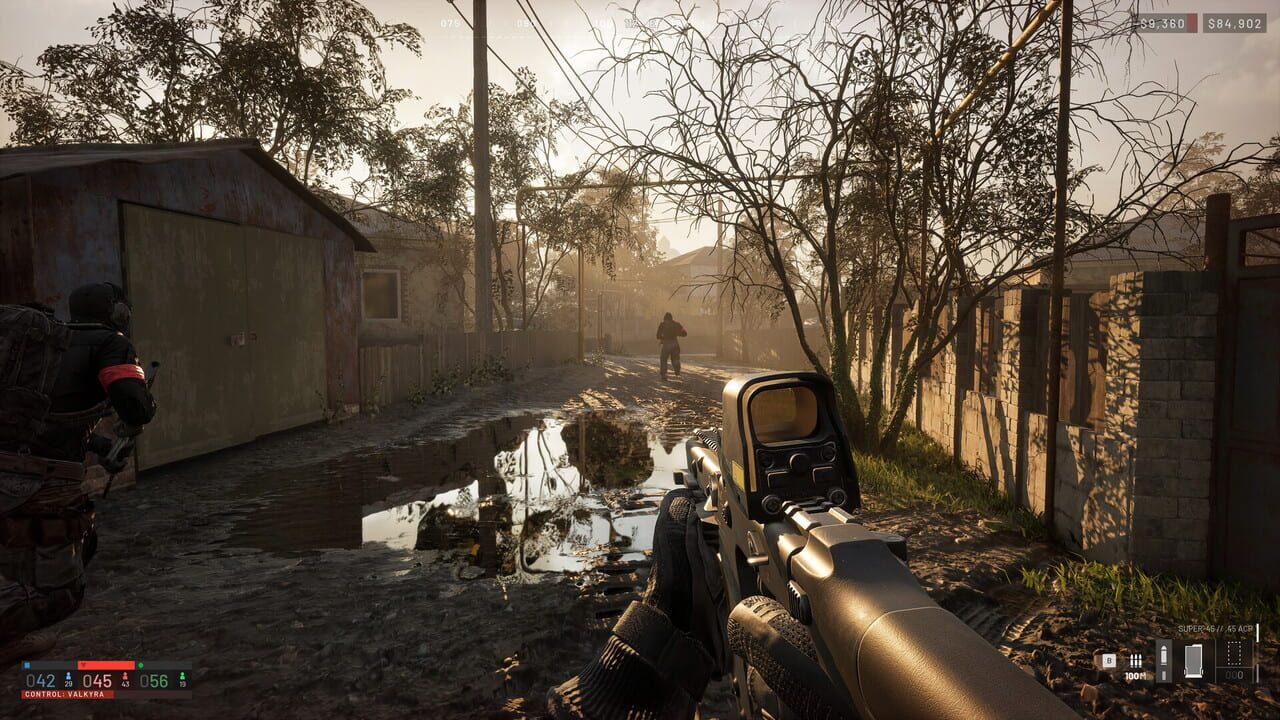
The voice system does similar work for two more of the principles at once. Communication is proximity-based, described by the developers as local voice chat: audible to whoever happens to be near enough to hear it, teammate or, since three factions share the same ground, occasionally an enemy as well. That is a real constraint next to the team-wide channel most shooters default to, and it means authority inside a Wardogs squad, like authority in a Törbel grazing association, has to be earned at close range, by whoever is actually present, rather than assigned by rank or shouted across the map. Monitoring, in Ostrom's sense, is exactly this: not surveillance from above, but the fact that people relying on a shared resource can see, or here hear, what the people next to them are doing with it. Logistics supplies the resource itself: fuel, ammunition, and building materials have to be gathered and driven to wherever the fighting has moved, in named, paid roles the game's own community documentation lists next to rifleman and medic: pilot, driver, logistics runner, builder. A forward operating base, built by hand at a chokepoint out of Wardogs's destructible-and-buildable terrain, sited for cover, for lines of approach, and for the routes trucks and helicopters will need to keep it fed, is a physical answer to Ostrom's second principle, a rule fitted to local conditions in real time by whichever squad decided the position was worth holding. Destruction runs the same logic in reverse. The marketing copy's own promise, to "destroy apartment blocks with rocket launchers," or cut a new route straight through a town, describes removing someone else's cover and someone else's chokepoint, not simply making a mess.
Three teams complicates the picture in a way two would not, and the complication is worth pausing on. A two-sided match, the shape of Hell Let Loose or most competitive shooters, asks a player to solve one commons problem: can my fifty cooperate. A three-sided match asks each of a hundred players to solve that problem inside a group of roughly thirty, while simultaneously treating the other two-thirds of the map as ground under contest by two rival groups running the same internal problem at the same time. That is closer to Ostrom's eighth principle, the one this essay set aside earlier as built for fisheries and watersheds rather than forty-minute matches, than the single-team case is: nested enterprises, commons sitting inside larger commons, each layer governing itself while contesting a resource none of the layers controls alone. A hundred-player, three-faction war is a compressed, toy version of exactly the nested problem Ostrom thought mattered most for large-scale commons, not the small-village case this essay has leaned on everywhere else.
The decision that will actually determine whether any of this holds is the money. Every Wardogs account starts with $10,000, a one-time seed rather than a per-round allowance, and that balance persists from life to life within a match and from match to match afterward: spend it and it is gone, keep it and it is still there next week. Before each life, a player buys a loadout, weapons, gear, utility, a vehicle, out of that running balance, and a readout in the corner of the screen tracks the number in red or green, profit or loss, for the life currently being spent. Critically, the game does not pay only for kills. Reviving a squadmate pays. Driving a truck of supplies to the line pays. Holding the contested zone pays. A separate currency, exchanged from cash and spent in a cosmetics-only Gold Market, exists specifically for players who would rather bank a win than risk it, and the whole system sits behind a flat purchase price of $39.99, with no battle pass and no microtransaction store standing behind it.
Team17 is not encountering this design problem for the first time. In November 2018 it signed on to publish Hell Let Loose, Black Matter's fifty-versus-fifty combined-arms shooter, which entered Steam early access in June 2019 and left it in July 2021, built around a commander role, resource nodes tracking fuel, munitions, and manpower, and a layered voice system separating squad, proximity, and officer-only channels. In January 2022, Team17 did not simply renew a publishing deal; it bought the Hell Let Loose intellectual property outright, for £31 million with up to £15 million more tied to performance. A publisher does not spend that kind of money on a genre it has not already thought hard about. Wardogs is Team17's second attempt at the same underlying problem Hell Let Loose already forced it to reckon with: how to price cooperation among strangers who between them control tanks, artillery, and a supply chain none of them owns alone.
Paying cash for revives, transport, and objective time, not only for kills, is, by the standard of almost any other shooter's economy, a genuinely Ostrom-congruent choice, because it answers the oldest problem in commons governance: how to stop contribution from being a sucker's move. In Foxhole, hauling crates earned a player nothing the game measured, which is exactly why the people doing it eventually had to organize a strike to be taken seriously. Wardogs prices that same labor in the same currency as a kill. A player who spends a life driving supplies instead of firing a rifle is not a volunteer subsidizing everyone else's fun; the game pays for it, in the wallet, at the same rate. On the evidence made public before launch, this is the strongest single argument that Wardogs points toward sharing rather than hoarding.
Set against that is the fact that the wallet is private and permanent. It belongs to one account, not to a squad, a team, or a single match, and it does not reset. $10,000 becomes $50,000, and $50,000 is worth protecting in a way $10,000 was not. An account with money already made has every rational reason to spend a life the safe way, holding a treeline with a rifle bought for cash it can afford to lose, rather than the exposed way, driving a truck through a crossroads the enemy has clearly zeroed in on. An account with nothing yet to protect has no such reason to hold back, and is, on the current design, the one likelier to be asked to take the risk the whole team's supply line actually depends on. That asymmetry, wealth and safety accumulating together while risk gets left to whoever has not yet accumulated either, is close to what Ostrom's fieldwork flagged as corrosive: a commons where the costs of upkeep and the benefits of upkeep land on different people is a commons that stops holding together. The Gold Market cuts both ways on this point rather than settling it. Giving an account somewhere to spend money that is not the battlefield could relieve the pressure to hoard, letting cash convert into cosmetics instead of sitting there daring its owner to protect it, or it could simply let the wealthy buy status without ever putting the balance at risk at all. A feature list cannot say which effect wins. Wardogs has one clearer built-in answer, the moving Hot Zone, which doubles points and cash together and so forces even a wealthy, risk-averse account back into contested ground if it wants to keep winning rather than merely keep its balance. Whether that one mechanic is enough to keep a hundred strangers sharing a supply line instead of hoarding one, months into early access, once accounts have had time to sort themselves into rich and poor, is a question the design has not yet had to answer in public. It is the actual hinge the rest of this holds on, not the size of the map or the number of teams.
None of this is a claim that a hundred strangers on a Wardogs server will be pleasant to each other, and the L.O.G.I. strike is itself the best evidence against that reading. It took forty-nine days of withheld labor, not a group hug, to fix what Foxhole's own logistics population considered broken, and Ostrom's design principles were never a description of harmony. Two of the eight, graduated sanctions and a cheap way to resolve disputes, exist only because groups sharing a resource fight over it constantly; the principles describe how the fighting stays survivable, not how it gets avoided.
The same three-team, hundred-player structure that recreates Ostrom's conditions is also, by the documented history of the genre, a structure organized clans dominate. PlanetSide, the 2003 massively multiplayer shooter that first proved a persistent three-faction war could hold thousands of players at once, at one point logged 6,400 concurrent players on a single server, a Guinness World Record for the genre, and was known for player-run outfits whose internal coordination routinely outweighed what an equivalent number of unorganized players could manage, and Hell Let Loose still organizes its own combat around officer-led units for the same reason: pickup cooperation is fragile, and a Discord server with an actual chain of command beats it reliably. Wardogs shows no sign yet of a countermeasure beyond the one built into its own borrowed format. Three-team contests, unlike two-team ones, tend to punish whoever is currently winning, since the two trailing sides have every incentive to converge on the leader rather than on each other, a dynamic anyone who has played Risk or Diplomacy will recognize and one already built into King of the Hill, the Arma 3 community mode Wardogs's own format descends from. That is not a design against clans so much as a design that makes total, running dominance by any single clan harder to sustain match to match, a smaller and more honest claim.
The voice system carries its own honest admission of the same risk. Bulkhead's marketing copy for the feature describes proximity chat as something a player can use to "talk tactics with teammates or troll enemy players," an admirably candid way of conceding, in a single bullet point, that a hundred strangers given a live microphone and geographic proximity to people they are trying to kill will use it for exactly what strangers online have always used voice chat for. Ostrom's monitoring principle assumes the thing being monitored is contribution to a shared resource. It says nothing about what happens when the channel built for monitoring also carries whatever a stranger with nothing at stake in the relationship feels like saying into it, and three teams sharing one battlefield means there is always, for anyone so inclined, an audience of enemies as well as allies within earshot.
What the design is actually betting on is smaller and stranger than community. It is that for the length of one match, on one stretch of contested, redrawn ground, a specific stranger driving toward a forward base at a chokepoint two kilometers from the nearest fighting will be worth listening for. The base's garrison hears the engine before it sees the truck, and then, at the edge of proximity range, a voice, and for a few seconds before the vehicle rounds the treeline nobody at the chokepoint knows whether it belongs to the resupply they called for or to the team that has been probing this position since the zone last moved.