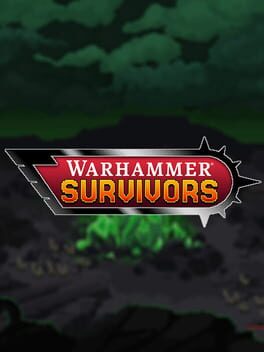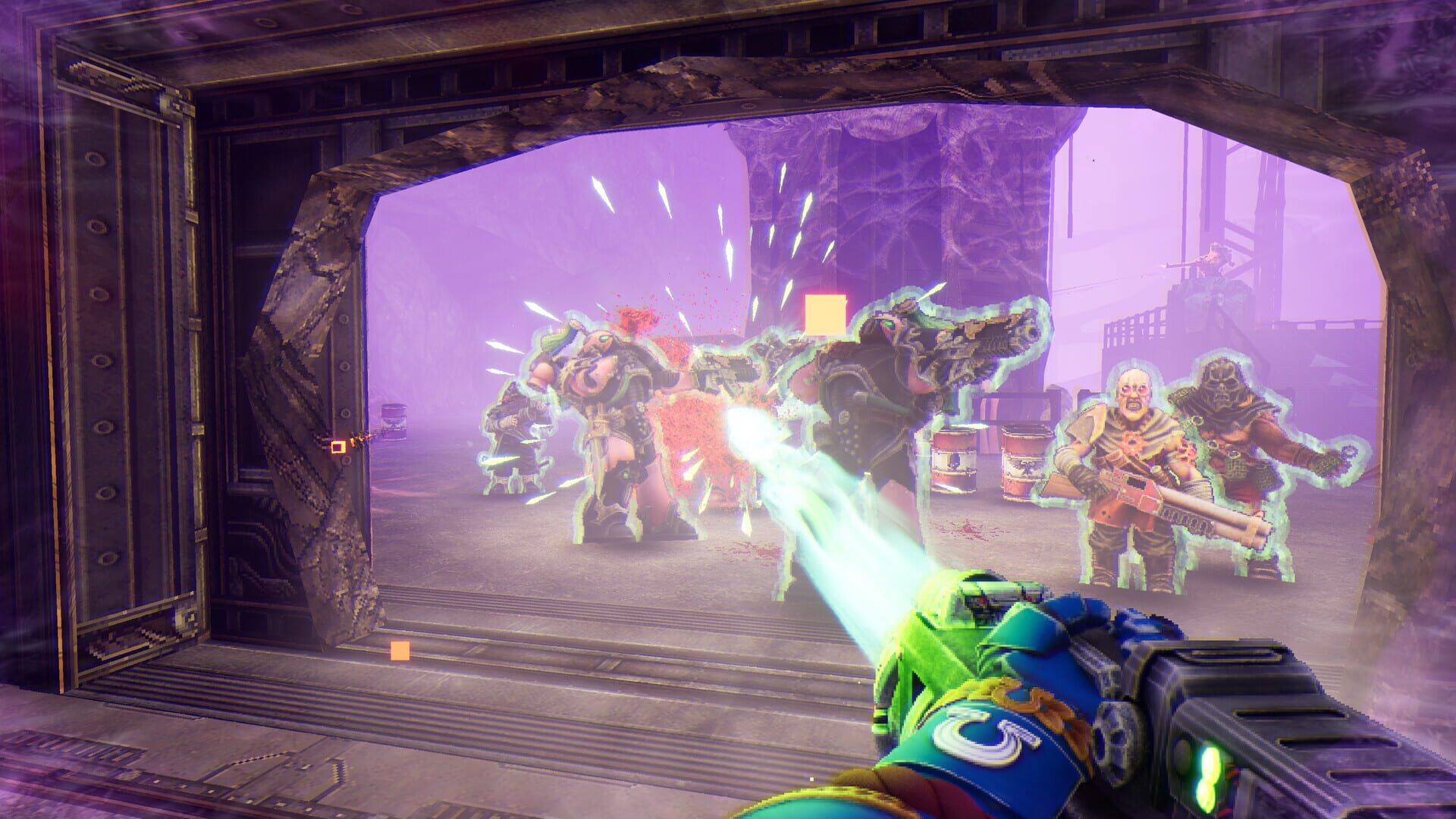
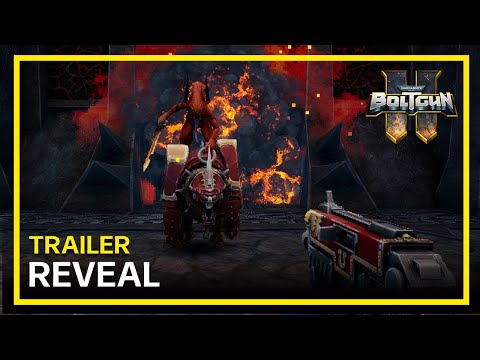
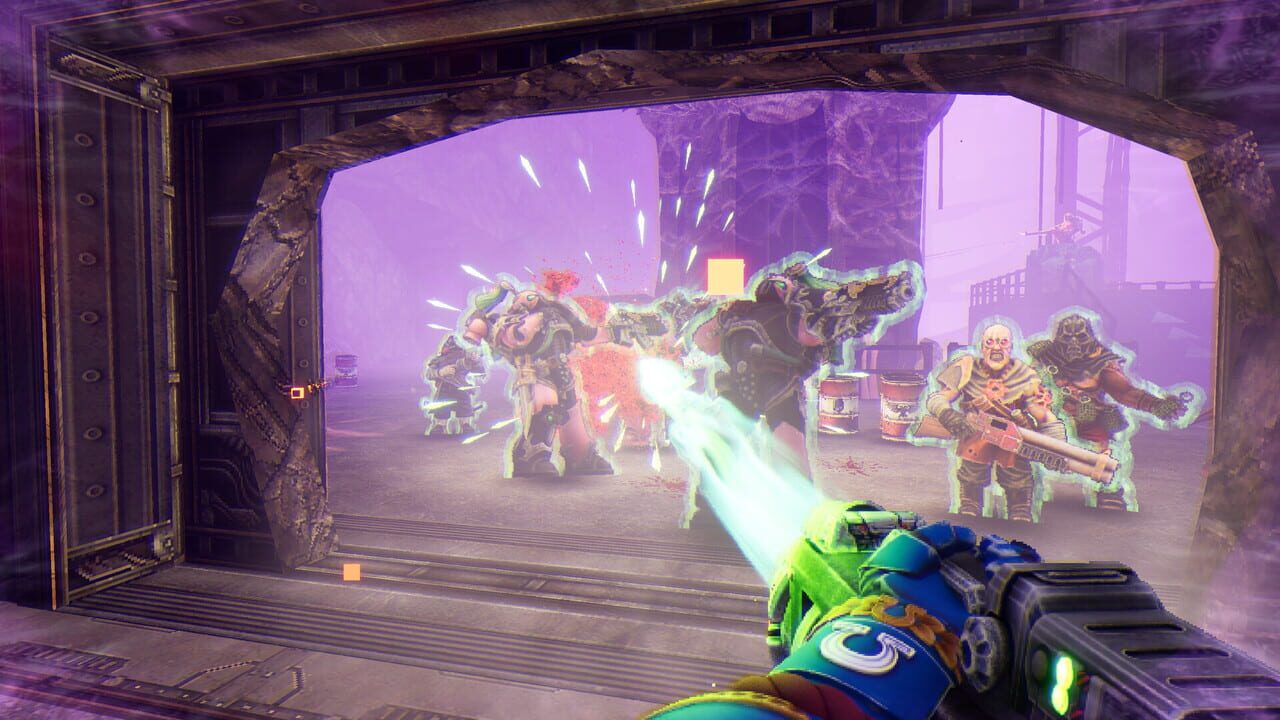
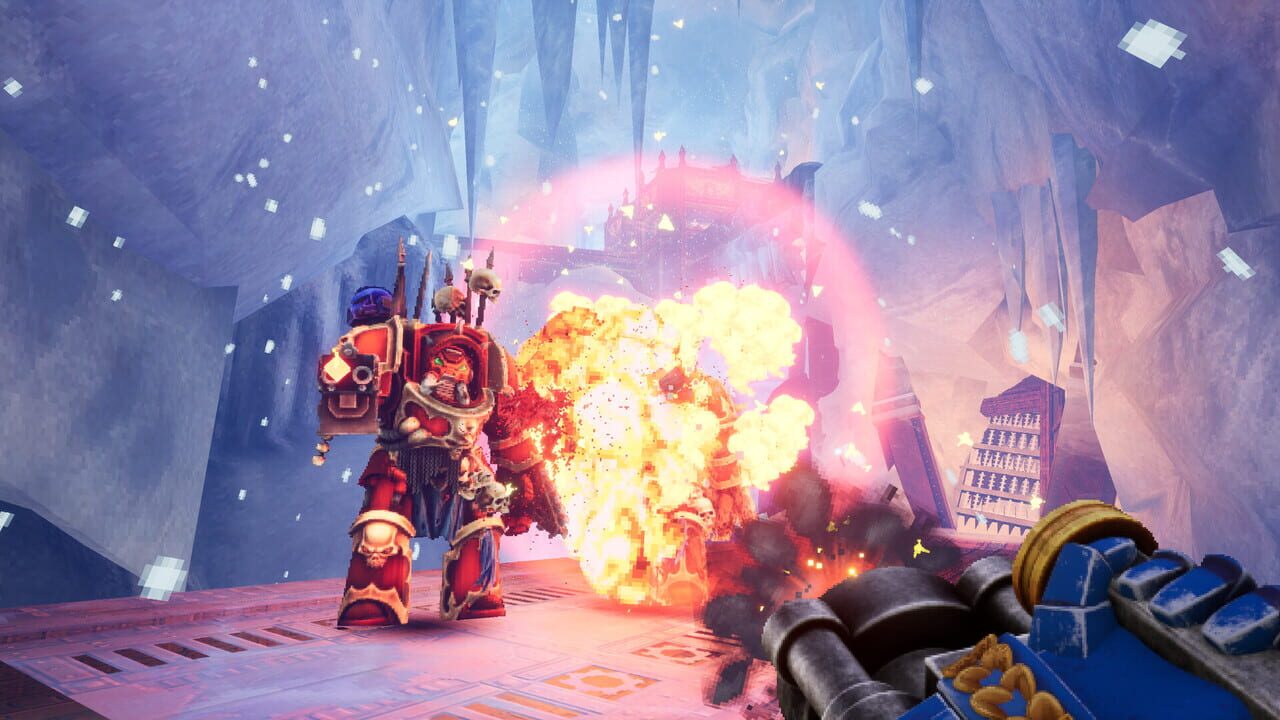
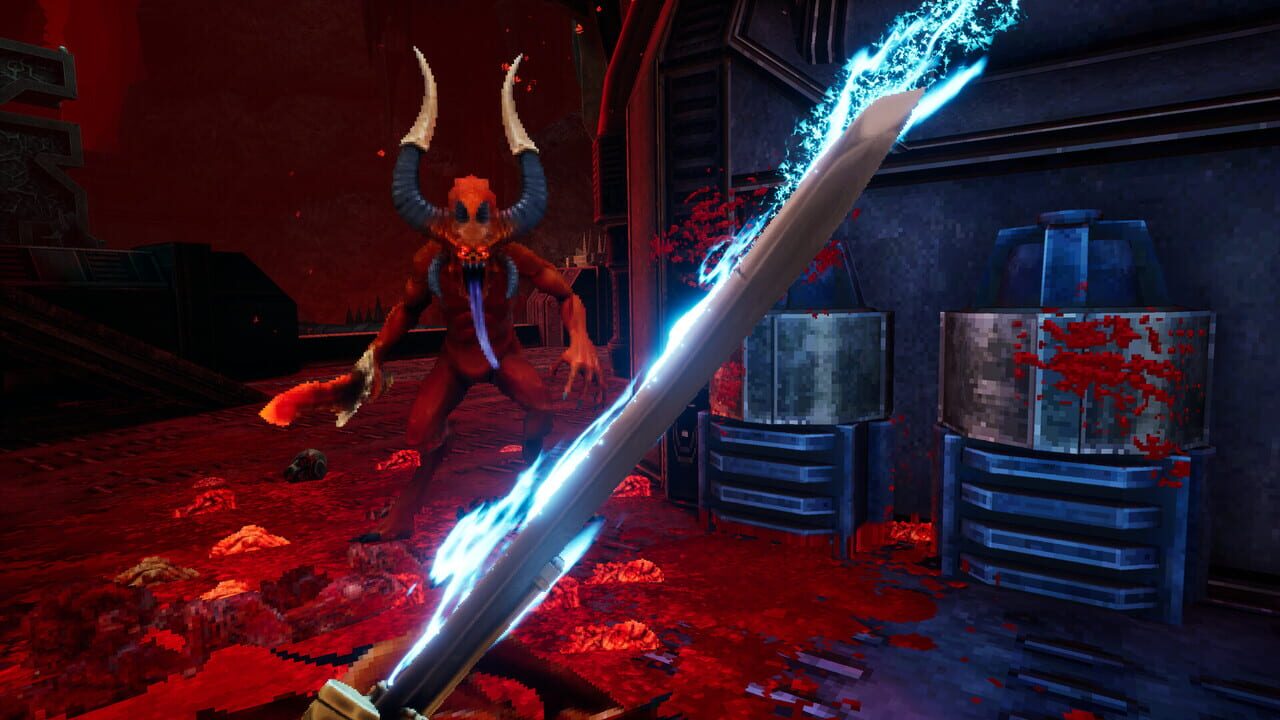
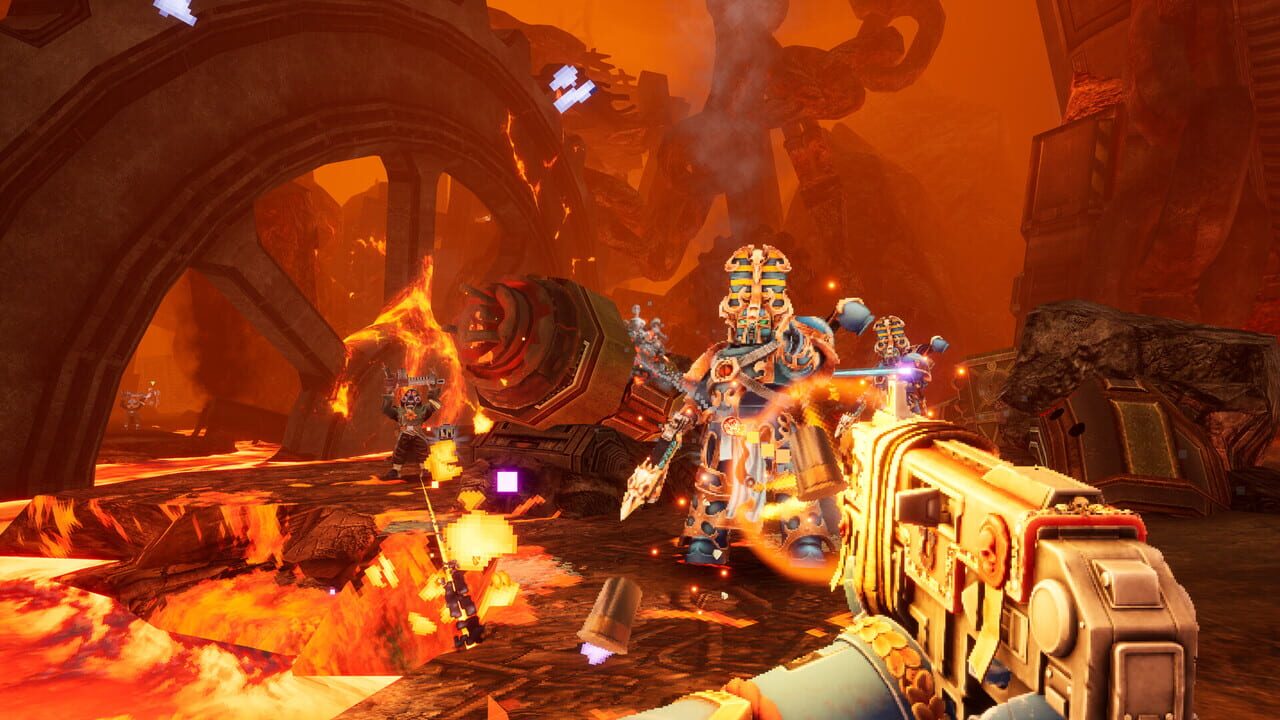
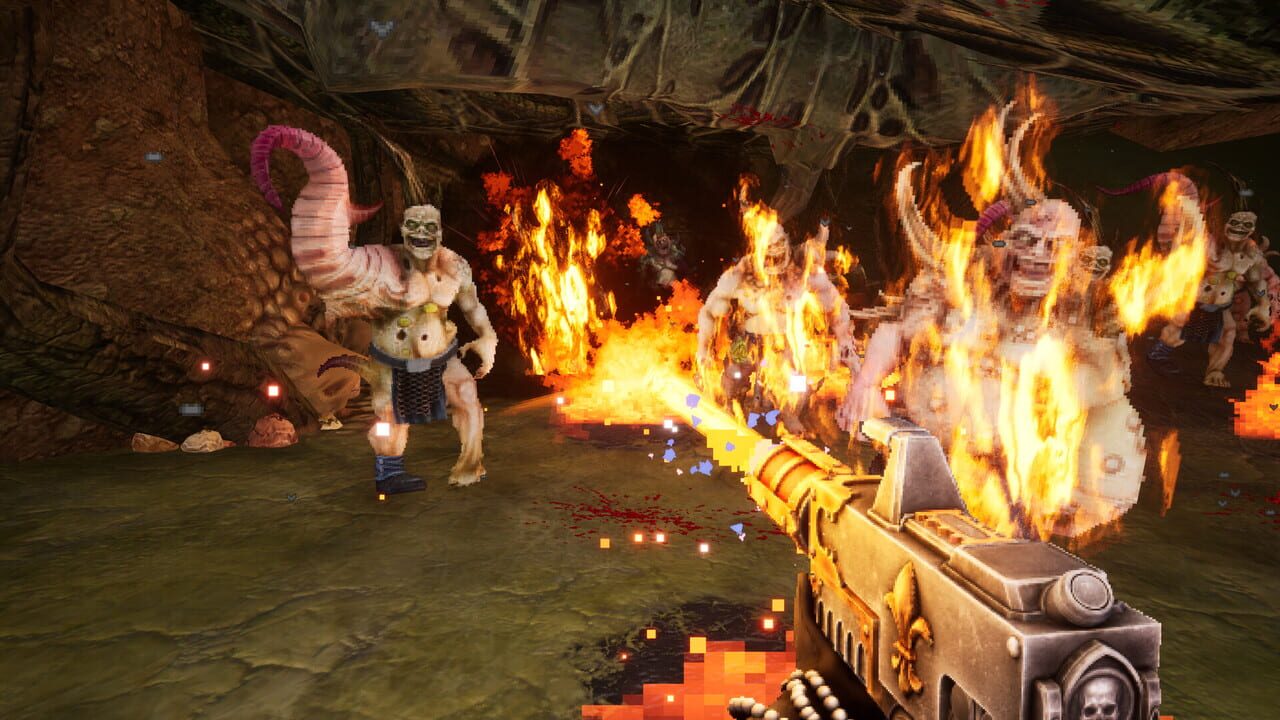
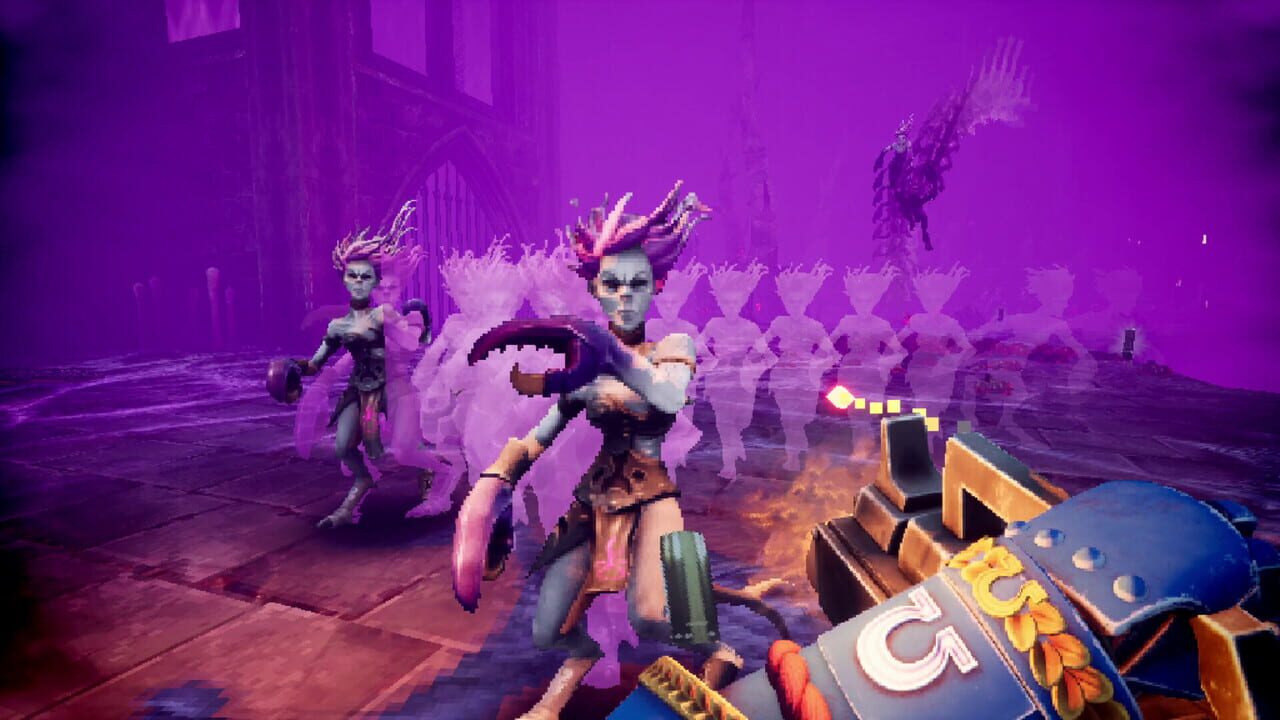
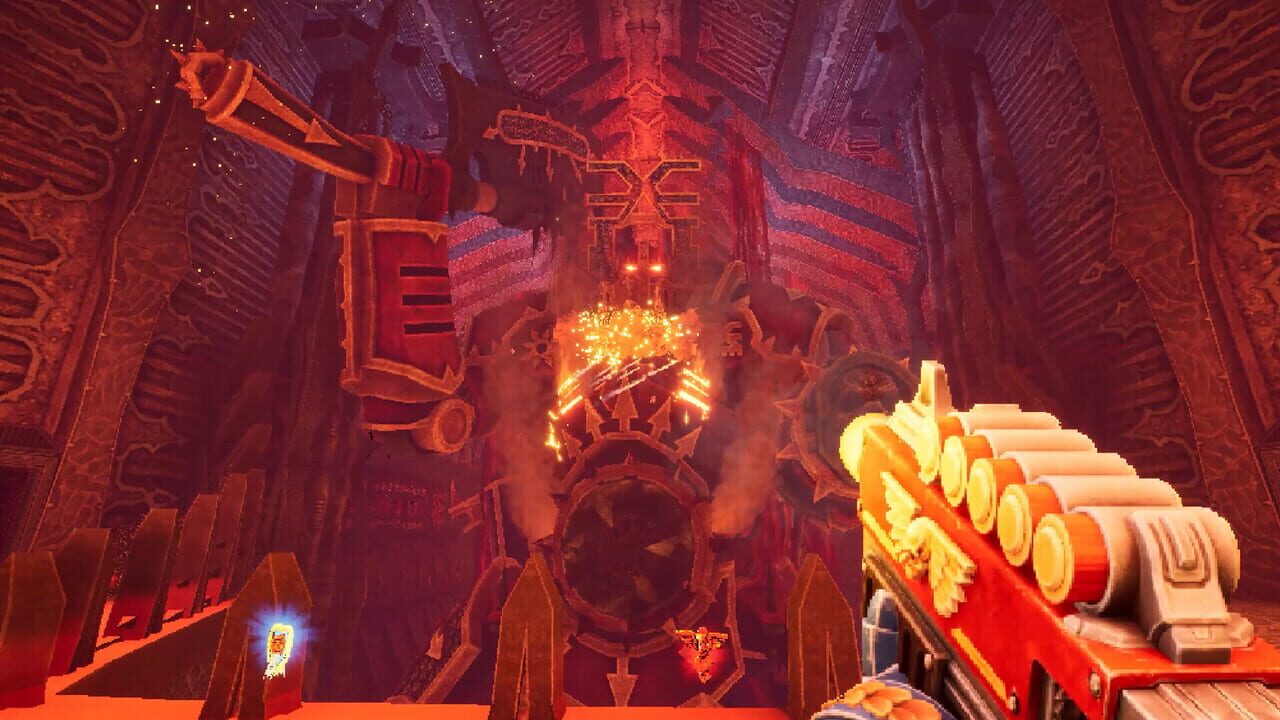
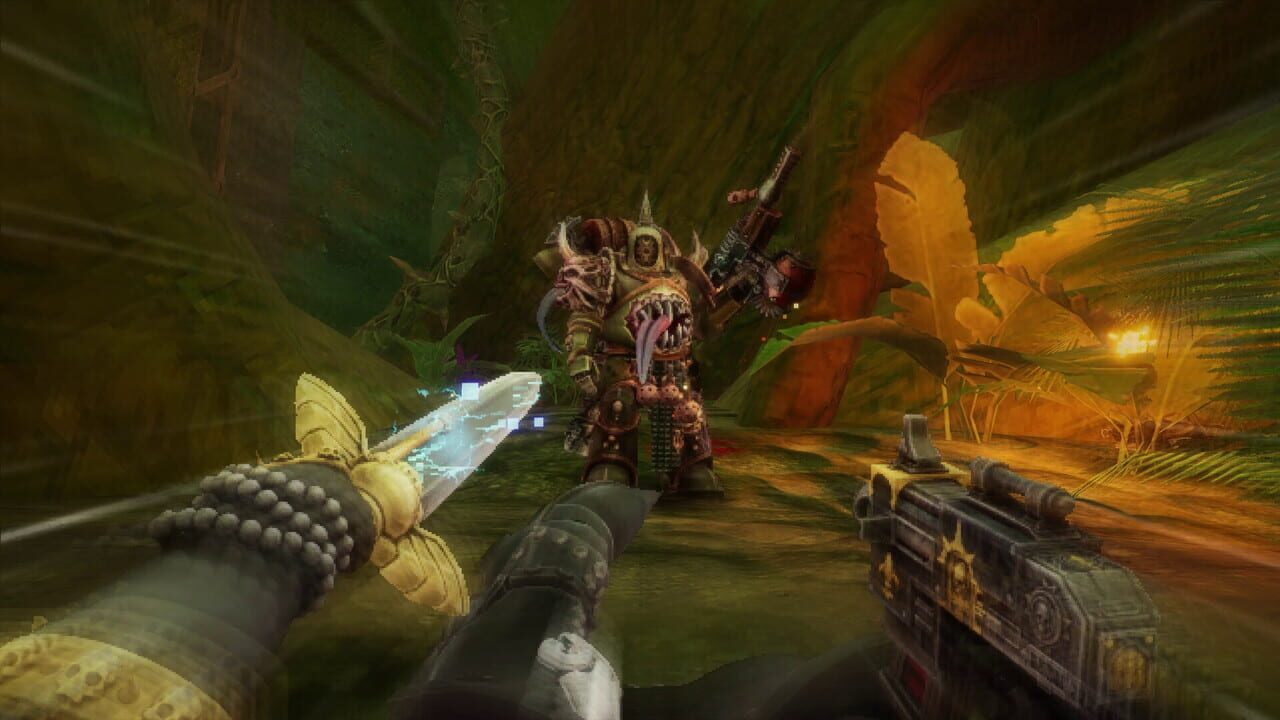
The Imperium of Man has a stated position on itself, and the position is that it is a cautionary tale. Games Workshop published it in November 2021, a short essay titled "The Imperium Is Driven by Hate. Warhammer Is Not," and the opening line does the whole job by itself: "There are no goodies in the Warhammer 40,000 universe." The essay goes on to define satire for anyone who might have missed the memo across thirty-four years of miniatures catalogues: "the use of humour, irony, or exaggeration, displaying people's vices or a system's flaws for scorn, derision, and ridicule." It was written because people at tournaments had started showing up with real-world fascist symbolism repainted onto plastic Space Marines, and a British toy company found itself in the position of explaining, in writing, that its most popular faction is supposed to be the villain. This is a People & Culture essay, and its subject is not whether that explanation worked. It is why a company built on selling that faction's imagery ever had to write it at all. Warhammer 40,000: Boltgun 2, the retro pixel-art shooter Auroch Digital announced in 2025 for release in 2026, puts a bolt pistol in the hands of Ultramarine Malum Caedo and Sister of Battle Nyra Veyrath and asks the player to purge heretics across a planet under siege by the daemon-forge lord Vashtorr. The entire verb set is purging. The entire aesthetic is the sprite-and-scanline register of the mid-1990s FPS revival that Boltgun's 2023 predecessor helped popularize. Nobody buying it is confused about what they are getting, and that is precisely the interesting part. The confusion is not at the point of sale. It is built into the property. Forty years is a long time to keep a joke's target stable, and forty years is exactly how long 40K has been trying. A reasonable objection arrives immediately, and it deserves an answer before the argument goes any further: maybe nothing has been lost, because 40K was never purely satirical to begin with. Priestley was building a game people needed to want to play, not a pamphlet, and a wargame that did not let its players feel powerful commanding the Imperium's armies would not have sold a second box of miniatures. That is true, and it does not undercut the argument, it sharpens it. The commercial requirement and the satirical premise were in tension from the very first rulebook. What forty years of expansion did was not introduce a new problem into a previously pure text. It resolved an old tension in the commercial direction, steadily, product by product, because commercial pressure is continuous and satirical intent is not self-enforcing. Nobody signed a document in 1994 deciding the Imperium would stop being a warning. The drift happened the way institutional drift always happens, one profitable decision at a time, none of them individually a betrayal of the founding joke. Rick Priestley wrote the original Rogue Trader rulebook in 1987, in the East Midlands, eight years into Margaret Thatcher's government, with the coalfield closures and the miners' strike still fresh in the region's memory. The book he produced does not read like a celebration of the Imperium of Man. It reads like satire of it, in the specific register that British comics had been working through the decade: 2000 AD, whose Judge Dredd stories ran a fascist future-lawman as a figure the reader was supposed to recognize as horrifying even while enjoying his violence, and whose Nemesis the Warlock cast a xenophobic human theocracy called Termight as the villain and a horned alien wizard as its hero. Priestley has cited Larry Niven and Harry Harrison alongside that comics lineage, and the resemblance to Dredd in particular is not incidental. Both properties took the fascist strongman archetype, dressed him in imagery a reader could find cool, and dared the reader to notice that the coolness and the horror were the same imagery. The Imperium's slogans (the Emperor Protects, suffer not the alien to live, the corpse-god on the Golden Throne) are not aspirational copy. They are what unchecked state power sounds like when you turn the volume up past the point where anyone could mistake it for policy. That is the founding move: satire depends on the reader recognizing a gap between what the thing claims about itself and what it is. Dredd claims to be justice and is a jackboot. The Imperium claims to be humanity's salvation and is a genocidal theocracy that has been losing a ten-thousand-year war it started with everyone in the galaxy simultaneously. The gap is the joke. Priestley's 1987 rulebook, and the appalling little vignettes Games Workshop printed alongside the rules, assumed a reader who would clock the gap and laugh, uneasily, at how familiar its shape was. The trouble with that kind of joke is structural, and it is worth stating plainly rather than as a lament: a satire needs a stable target, and a franchise needs growth, and those two requirements pull against each other in a way no amount of editorial vigilance can fully resolve. Satire works by asking the audience to hold two things at once, the surface appeal and the buried critique, and the tension between them is what generates the meaning. A miniature you paint for forty hours, army-build around, name, and carry to a tournament is not being held at that distance. It is being loved. Games Workshop's business is not selling critique. It is selling forty-hour investments of a hobbyist's attention, and the object of forty hours of attention does not stay ironic. It becomes a possession, and possessions get defended, not interrogated. Linda Hutcheon's 1985 A Theory of Parody supplies the vocabulary for why this happens rather than just noting that it does. Hutcheon's argument was that parody (and by extension the darker cousin, satire) is never a stable meaning sitting inside a text waiting to be extracted. It is a relationship the audience completes, built from what she calls "trans-contextualization": the same imagery, read against a different frame, produces a different meaning, and nothing in the object itself locks the frame in place. A T-shirt that would read as a joke on a specific ironic body reads as an endorsement on a different one. The Rogue Trader rulebook, read by a 1987 wargamer steeped in 2000 AD's anti-authoritarian comics, completed Priestley's frame without much effort. The same rulebook's grandchildren, sold across four decades to millions of buyers who never touched 2000 AD and encountered the Imperium first through a painted model their local hobby shop was excited to sell them, complete a different frame, because Hutcheon's whole point is that nothing forces them not to. This is not a story about fans "not getting the joke," which is the frame the discourse keeps reaching for and the frame this essay is deliberately not going to use, because it lets the franchise off the hook by making comprehension the audience's job. The more accurate claim is that the franchise stopped being able to guarantee the frame around forty years and thousands of products ago, and that the loss was not an accident that better messaging could have prevented. It was the cost of the expansion itself. Every new Space Marine codex, every new painting guide that photographs an Ultramarine looking magnificent under studio lighting, every piece of key art commissioned to sell a new army box, is optimized to make the imagery desirable, because desirable imagery is what moves product. Optimizing imagery for desire and optimizing imagery for critique are not the same design brief, and a company running the first brief for forty straight years, at commercial scale, is going to end up with an audience substantially recruited by the first brief rather than the second one. The 2021 statement is Games Workshop discovering, in writing, that its own marketing had been more persuasive than its own satire. Robert Rath's 2023 piece for Wargamer makes the sharper version of this observation: 40K's ambiguity, the very quality that let it dodge being read as straightforward propaganda for forty years, is also what let a subset of its audience read the Imperium as righteous rather than as warning, because the text genuinely supports both readings and the marketing has spent four decades weighting the desirable one. The Imperium's propaganda posters are printed on real merchandise, sold to real customers, without an asterisk. A company cannot sell the aesthetics of fascism at scale for forty years, however sincerely it intends the aesthetics as warning, without also training a meaningful fraction of its audience to want the aesthetics on their own terms. That is not a failure of any single decision. It is what happens when a satirical premise becomes a permanent product line. The 2021 statement did not appear from nowhere. It followed years of a specific, documentable pattern: online communities and individual personalities within 40K's fandom treating the Imperium's fascist iconography as content to be worn rather than content to be read against. A prominent YouTube commentator in the space, ArchWarhammer, was dropped by his sponsors after years of Nazi-sympathetic rhetoric bled from his personal channel into his 40K commentary, and the overlap was not coincidental. The imagery of a genocidal human theocracy fighting a species-purity war against the entire galaxy is, for a viewer already inclined that direction, remarkably easy to enjoy without the critical distance the imagery was built to require. Games Workshop's statement named the pattern specifically enough to be uncomfortable reading: people "seek to claim intellectual properties for their own enjoyment, and to co-opt them for their own agendas." The company was not describing a hypothetical. It was describing its own tournament floors. Boltgun 2 is not doing anything unusual within this history. That is the point, and it is worth being precise about what "unusual" would even mean here, because the game is not more sincere or more cynical than the tabletop line it descends from. It sits at the same pressure point 40K has occupied since 1987, just rendered in a different register, and the register is the second thread this essay wants to pull on. Boltgun and its sequel are built in the visual language of Doom and Quake as they looked in 1994 and 1996: chunky low-resolution sprites, a limited palette, enemies that turn to face the camera in flat two-dimensional billboards even as the player moves through a fully three-dimensional level. This is a deliberate revival aesthetic, part of the boomer-shooter wave that also produced Dusk, Amid Evil, and Ion Fury, and the wave's whole appeal rests on a specific claim the pixel makes to the player without saying it out loud: that the low resolution is proof of an older, less commercially processed kind of game-making. The claim is a perceptual trick worth naming directly, because it does real cultural work. A crisp, high-fidelity, ray-traced Space Marine reads, correctly, as a product: motion-captured, market-tested, approved by a licensing department. A twelve-pixel-tall sprite Space Marine, rendered in the jagged silhouette of a Doom imp, reads as something a person built in a bedroom for the love of it, because that is the genre's origin story and the aesthetic still carries that story's residue even when the studio behind it is a professional outfit shipping a licensed product through a major publisher. The genre this borrows from has its own history worth being specific about, because the borrowing decides what the game is actually reviving. The boomer-shooter revival did not begin as a nostalgia exercise for its own sake. It began in the mid-2010s as a reaction against the modern military shooter's regenerating-health, two-weapon-limit, scripted-corridor orthodoxy, a design language that had itself become associated with a certain kind of glossy, joyless competence. Dusk, New Blood Interactive's 2018 breakout, deliberately reached backward past that orthodoxy to the mid-1990s moment when a shooter's whole vocabulary was speed, a dozen weapons, and level geometry built like a puzzle box rather than a hallway. The pixel art was never really about nostalgia for its own sake either. It was a design economy: sprites are cheap to animate at speed, they read instantly against cluttered backgrounds, and they let a small team ship dozens of enemy types without a motion-capture budget. Auroch Digital inherited that whole design logic when it built the first Boltgun in 2023, a game explicitly marketed as "id Software meets Warhammer 40,000," and the inheritance came with the perceptual effect already attached, not as an afterthought but as the reason the studio reached for the aesthetic in the first place. That residue is doing quiet, important work for Boltgun 2's reception, and it is worth being explicit that the effect is perceptual rather than a claim about the developers' intentions. Auroch Digital is a real studio making a real commercial decision, backed by Games Workshop's licensing arm and Focus Entertainment's distribution, planned for PS5, Xbox Series, and PC, with a score from Mick Gordon, the composer behind Doom (2016) and Doom Eternal, attached to the reveal trailer. None of that is bedroom-scale. But the sprite art does not announce any of it. The sprite art announces authenticity, because the visual grammar of the pixel has been trained, by three decades of actual bedroom-scale shareware and indie development, to mean "made by someone who loves this, not by someone optimizing a spreadsheet." The player who boots up Boltgun 2 gets to feel two things simultaneously that a modern triple-A Space Marine game cannot offer at once: the spectacle of purging heretics at scale, and the sense that the spectacle has not been focus-grouped into blandness. The pixels are the alibi. Put the two threads together and Boltgun 2 stops looking like a curiosity and starts looking like the clearest possible expression of what 40K has become. The satire that Priestley built to unsettle its reader has, over forty years of expansion, produced an audience that substantially wants to be the Ultramarine rather than to be warned by him, because wanting is what forty years of desirable imagery trains an audience to do regardless of the warning printed underneath. And the retro shooter genre that Boltgun revives supplies exactly the visual cover that a game built entirely around the verb "purge" needs in 2026: a look that reads as scrappy, sincere, pre-commercial, even while the studio behind it is coordinating a global multi-platform release with a name-brand composer. Neither fact indicts anyone involved. Auroch Digital did not invent this dynamic and Boltgun 2 did not create the gap between the Imperium's stated warning and its lived appeal. The game just sits in the gap more comfortably than almost anything else Games Workshop has licensed, because a first-person shooter has no space in its form for the ambivalence a codex entry can at least gesture at in a paragraph of flavor text. The verb economy of a boltgun does not have an ironic setting. You purge, or you do not play. None of this requires the reader to conclude that Boltgun 2 is doing something wrong, and this essay is not going to pretend it does. A satire that has outgrown its target is not automatically dishonest; it is a satire operating under a condition Priestley's 1987 rulebook did not anticipate, in which the joke has been running long enough and wide enough that a majority of the people encountering it never met the frame that made it a joke in the first place. Games Workshop's 2021 statement is the company reaching backward across that gap, trying to hand the original frame to an audience that mostly received the merchandise instead. It is a reasonable thing to write. It is also, on the evidence of the statement having been necessary at all, a frame arriving four decades late to an audience that built its own relationship to the imagery in the meantime, unsupervised, purchase by purchase, painted model by painted model. What the reader can carry out of Boltgun 2 and into the next franchise that started as a joke about power and ended up selling power as a lifestyle: ask not whether the audience missed the point, but whether the point could have survived the scale. A satire is a relationship between a specific text and a specific reader, completed anew each time, the way Hutcheon described it. Multiply the text by a thousand products and forty years and the relationship stops being specific. What is left is the imagery, doing whatever a buyer wants it to do, the warning label still printed on the box, unread, because the box has gotten too big and too handsome for anyone to bother turning it over.
Tuesday analysis
The Satire Its Fans Enjoy Straight
- Writer
- J. A. Marsh
- Lens
- People & Culture
- Published
- MAY 22, 2026
- Length
- 2,776 words / 12 min
- Notes
- 9 sources
A joke sustained across four decades and thousands of products does not survive as a joke. It survives as a brand, and the brand keeps the joke's imagery while discontinuing the joke's target.