In 2007 a Welsh filmmaker named Gareth Evans traveled to Indonesia to direct a documentary about a martial art almost nobody in his prospective audience would have heard of. Evans had one small-budget feature behind him, a film called Footsteps that had not traveled anywhere, and the documentary was paid work rather than a project he had gone looking for. The brief was straightforward: find the masters still teaching pencak silat, film the lessons, produce something for a cultural heritage program, move on to the next job. In a Jakarta training hall, filming one of those lessons, his camera settled on a student who was not there professionally. The student was a driver for Esia, a local phone company, who came to the hall after his shifts ended. His name was Iko Uwais, and whatever Evans saw him do that afternoon was enough to change the assignment. The documentary became the start of a scouting process. Uwais became the lead of Evans's next film. And the martial art the crew had been sent to record for a heritage program, the kind of program built on the premise that a tradition needs recording because it might not otherwise survive, became instead the raw material for a fight-scene grammar that spread through two decades of action cinema and is now, this year, arriving back in Indonesia in the form of a video game.
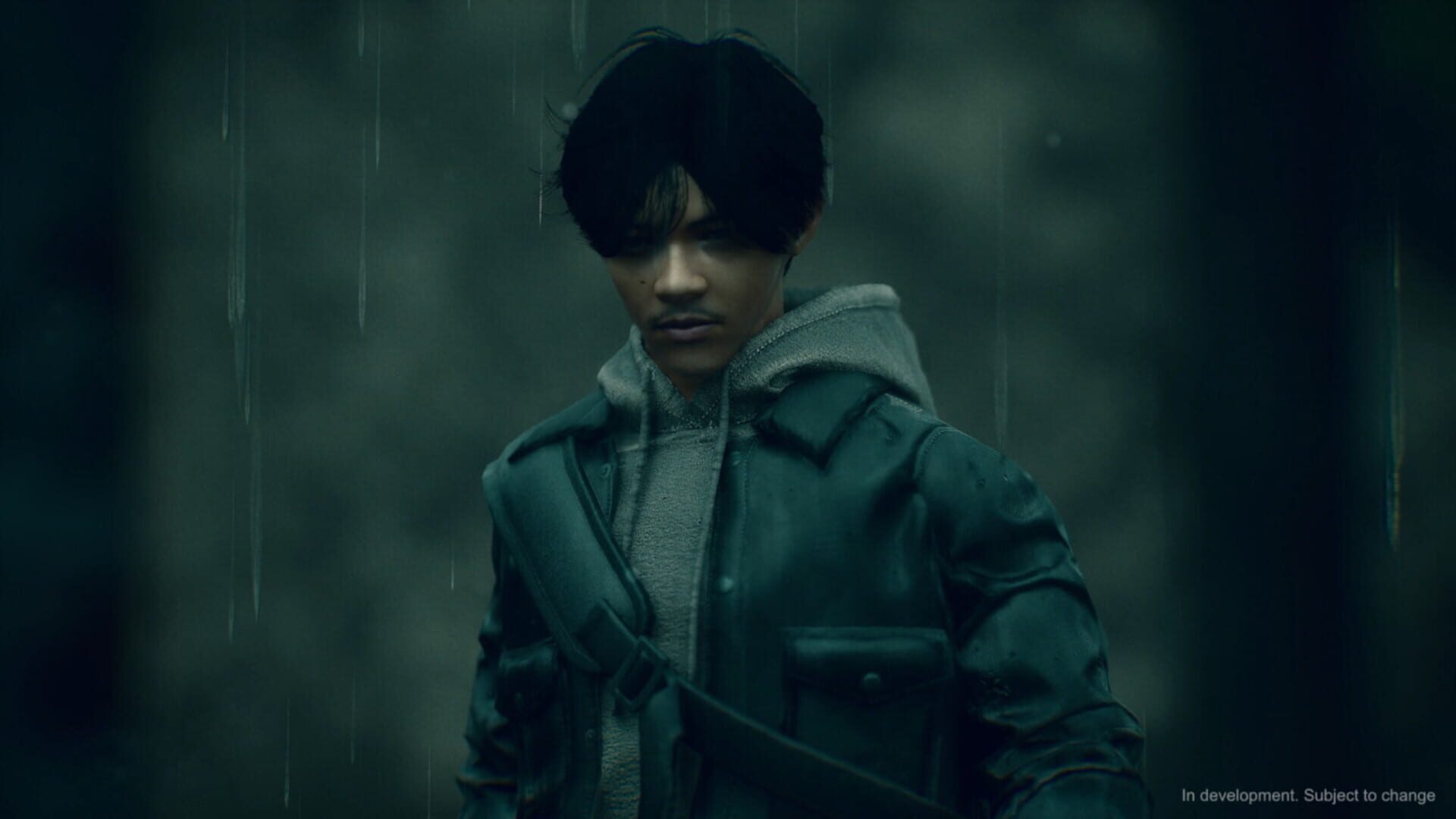
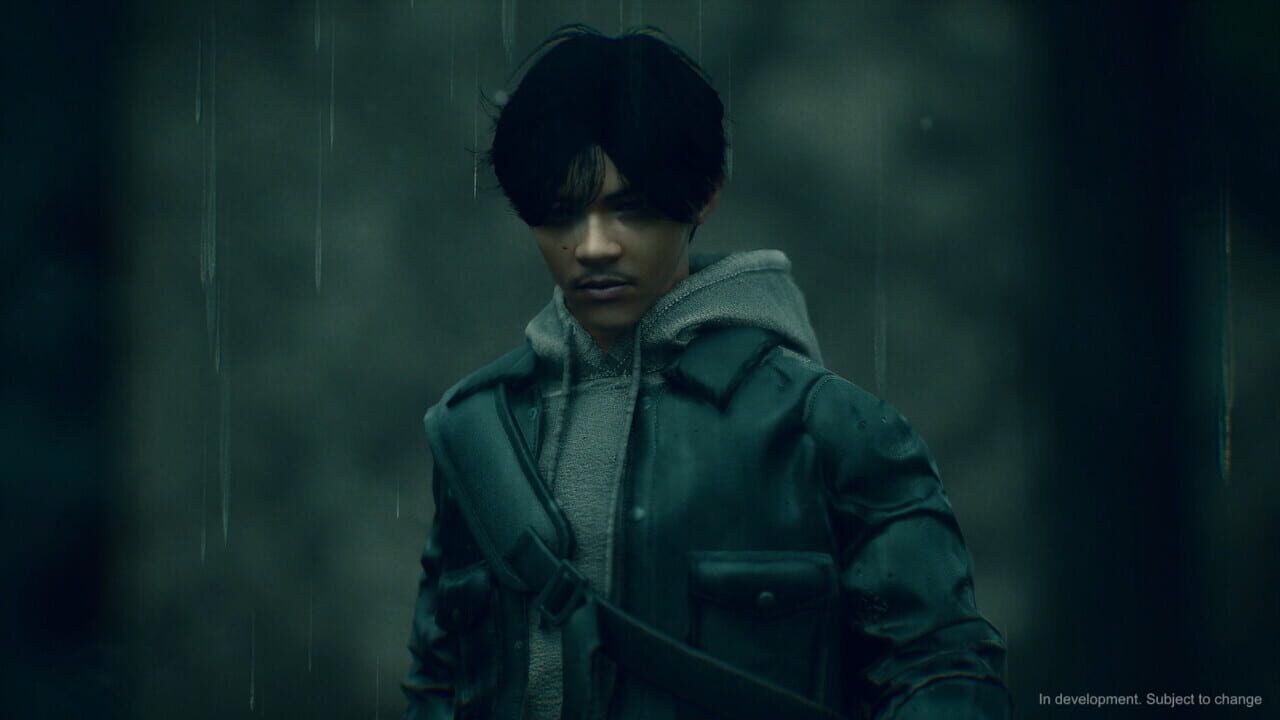
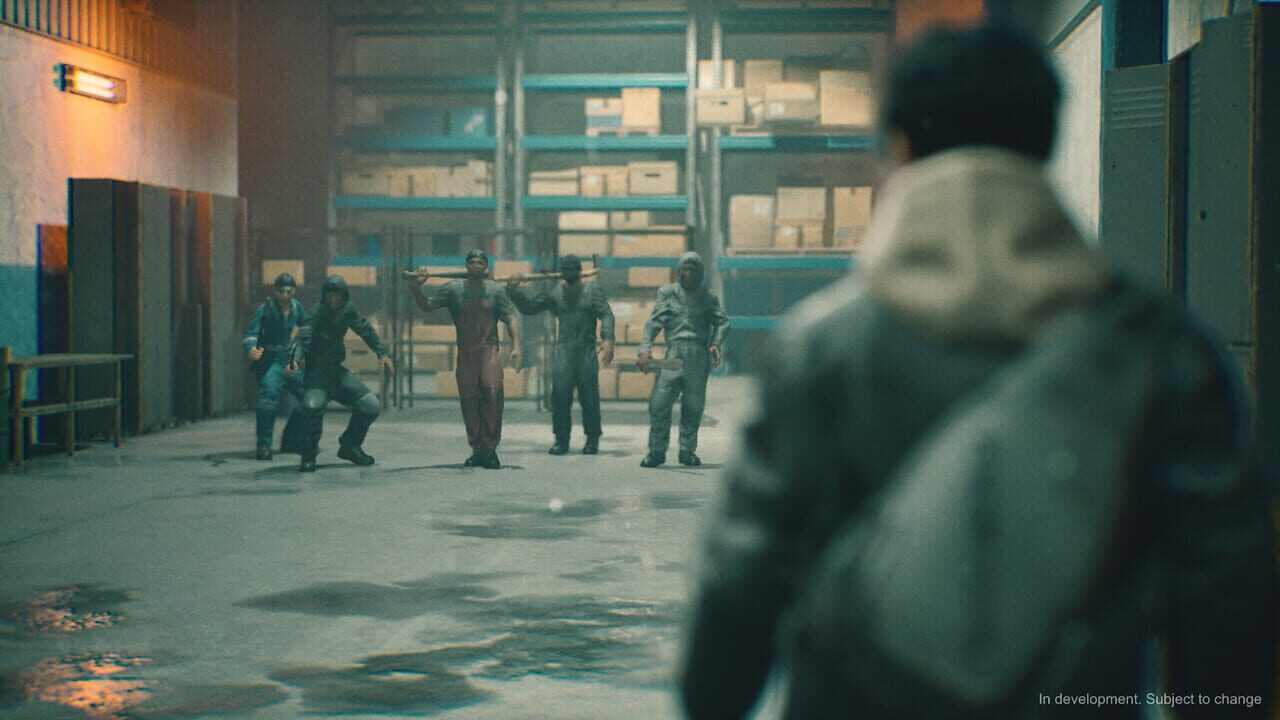
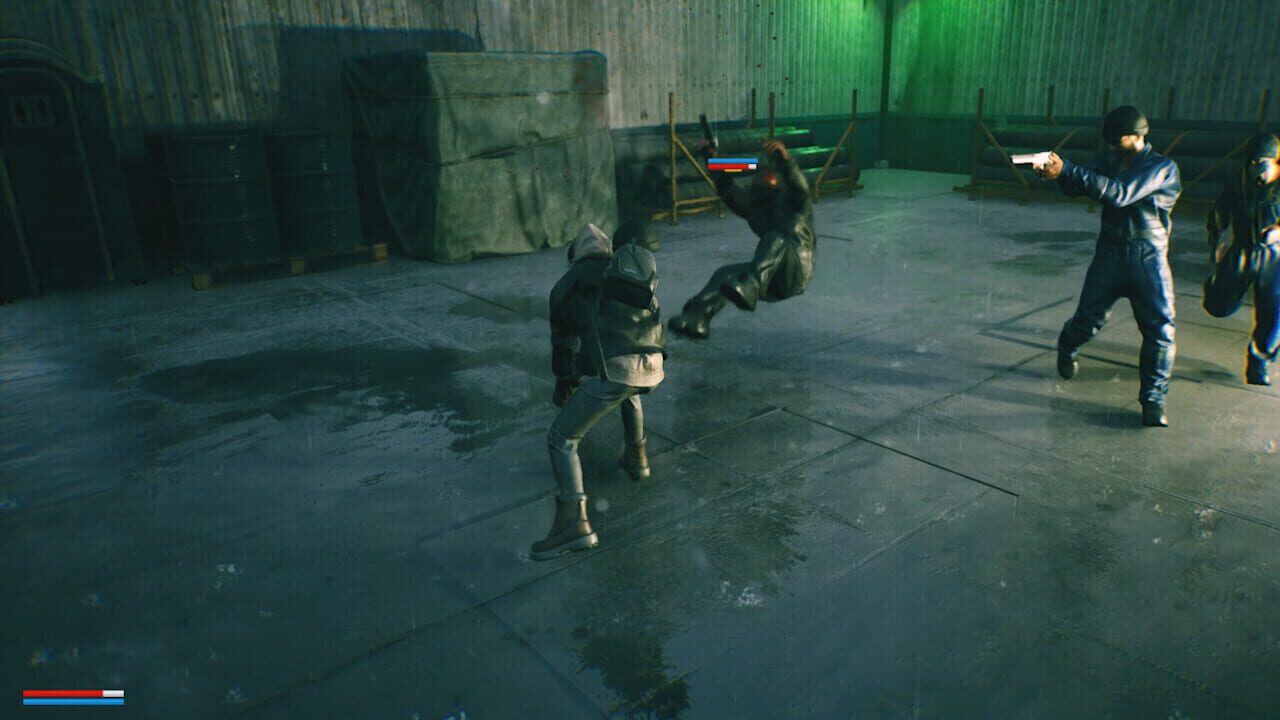
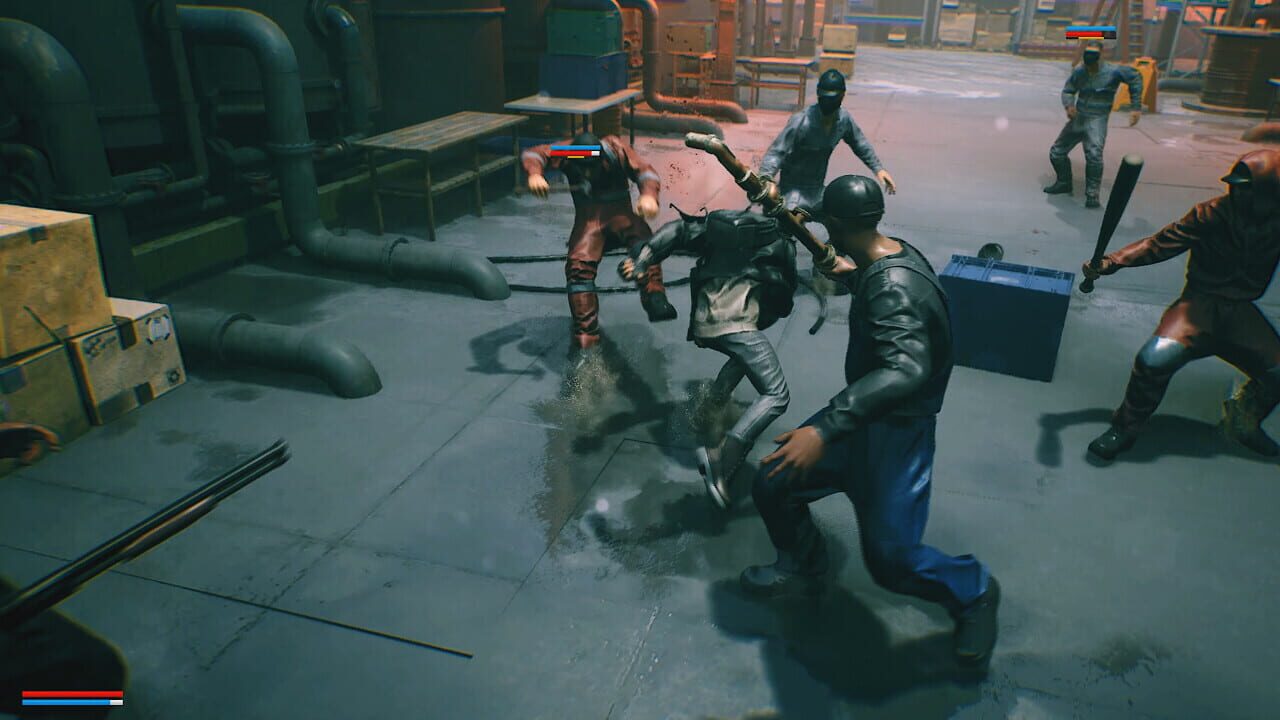
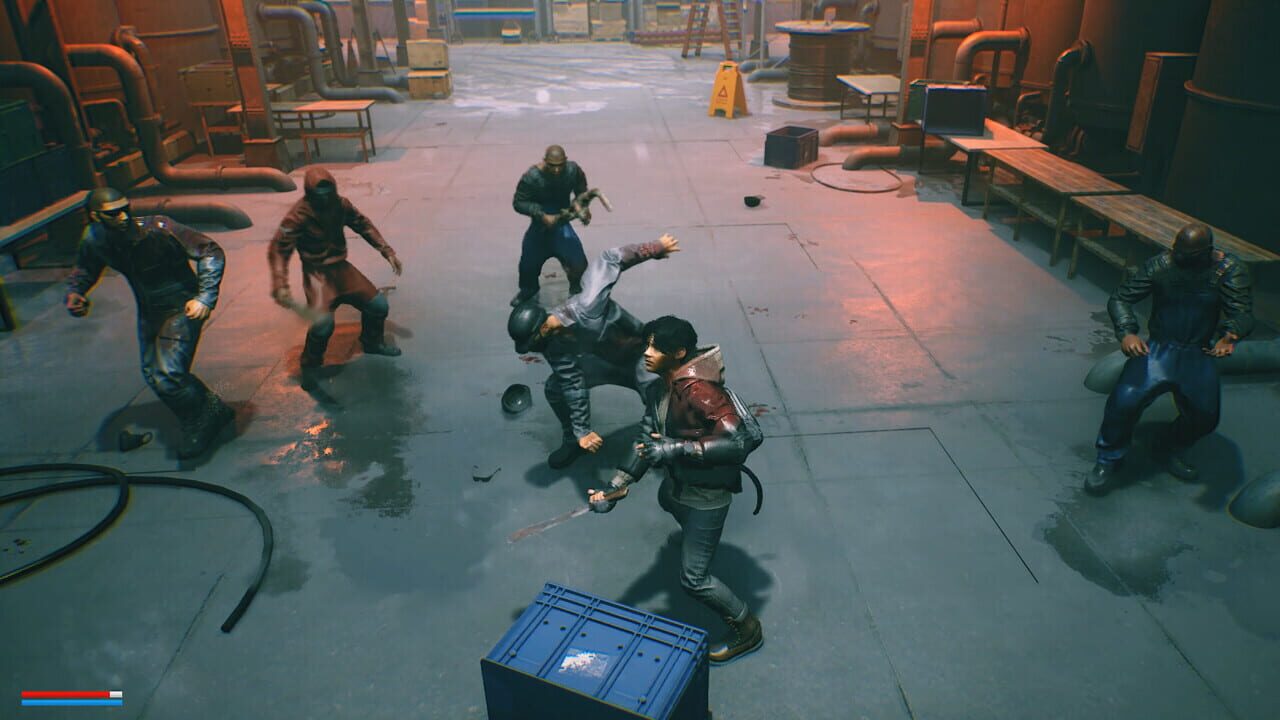
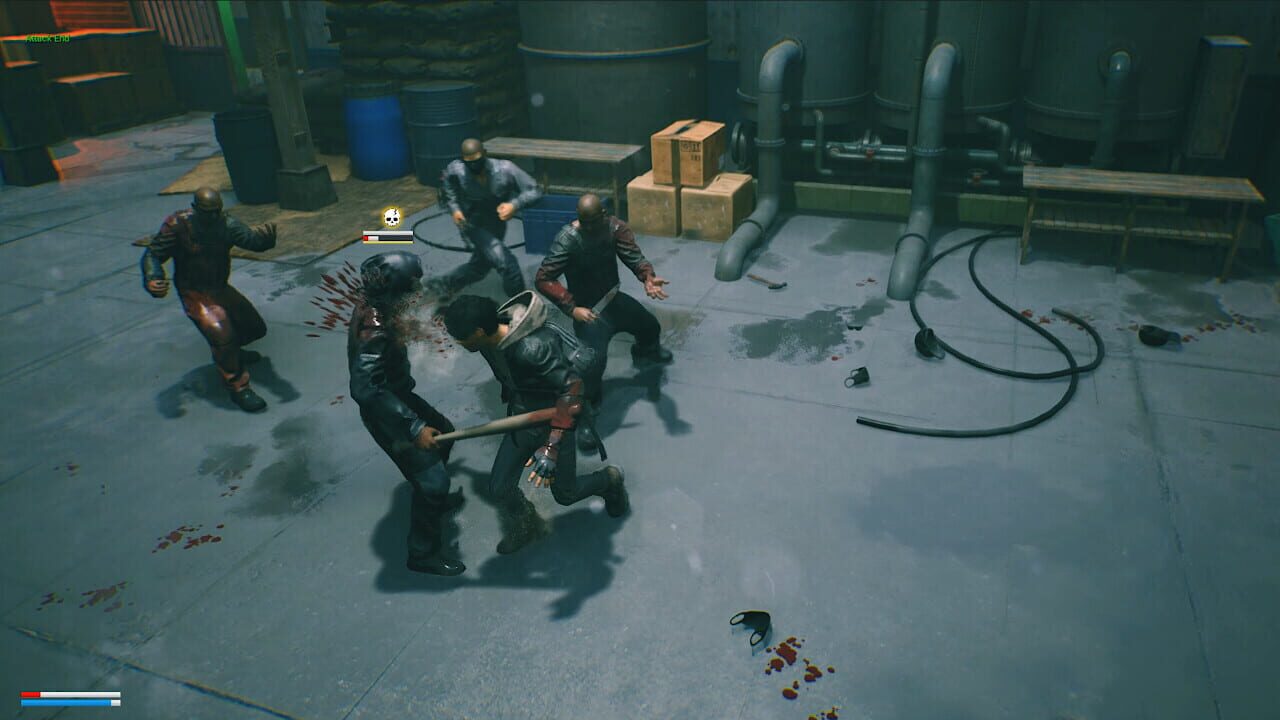
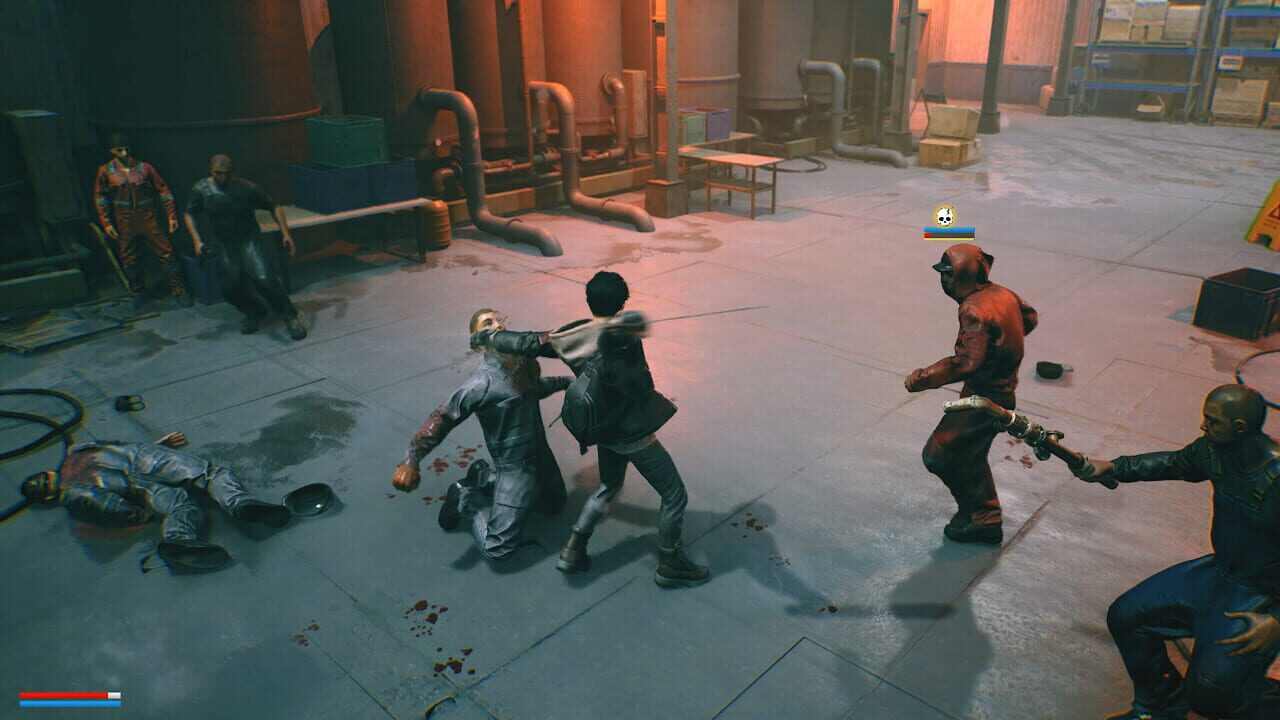
That return trip is the actual subject here, not the game's plot. Acts of Blood, the beat 'em up a small Bandung studio called Eksil Team is bringing to PC in the third quarter of 2026, follows a law student named Hendra through a dystopian version of his own city after his family is murdered by men a corrupt legal system will not touch. The premise is a revenge plot and needs no footnote. What earns the footnote is everything underneath the premise: a combat system built, by the developer's own repeated account, out of a specific lineage of Indonesian and Indonesian-adjacent action cinema that this same city helped originate, then watched leave, then absorbed back through Hollywood without much public memory of where it had come from. Reading Acts of Blood as a history-and-memory object, rather than as an upcoming brawler, means asking what a game gets to inherit from a martial art after that martial art has spent seventeen years touring the world as someone else's camera technique, and what has to be set down at every stop for the inheritance to keep moving.
Pencak silat itself long predates any camera pointed at it. It is not one style but hundreds of related fighting traditions across the Indonesian archipelago and the wider Malay world, each with its own school, its own named lineage of masters, and its own local reputation, gathered under two umbrella terms, pencak in Java and silat in West Sumatra, that describe a combination of combat technique, formal art, movement choreographed against music, and a mental-spiritual discipline practitioners describe in terms of a right relationship to God, to other people, and to the land. It is taught the way disciplines were taught before documentaries existed to record them: through informal schools, oral proverbs, rhymed instruction, and a master correcting a student's body directly, generation folded into generation. Some of its major fraternities, including Persaudaraan Setia Hati Terate and Tapak Suci, run that instruction explicitly through Sufi devotional practice, treating discipline of the strike as inseparable from discipline of the heart. The curriculum is explicitly ethical as well as physical: restraint is taught alongside technique, on the premise that a body capable of real harm first has to be formed into a person who prefers not to cause it. UNESCO inscribed the tradition on its Representative List of the Intangible Cultural Heritage of Humanity in December 2019, on Indonesia's own nomination, which is the kind of institutional recognition a living practice usually receives only after outsiders have started worrying it might not stay that way. None of that is what a film camera, or Hollywood's, or a game studio's, has ever actually been in the business of transmitting. What travels in a reel of footage is a technique stripped of its lineage. What stays behind is the school.
The French sociologist Marcel Mauss gave this kind of loss its clearest name almost a century ago, in a short 1934 lecture called "Techniques of the Body." Mauss argued that even the most basic physical acts, walking, swimming, digging, are not natural at all but trained, transmitted by imitation from a body that already holds the technique to one that does not: a child copying a parent, a soldier copying a drill instructor, a swimmer copying a coach who learned a stroke that has since gone out of fashion. A technique of the body, in his account, is a social fact wearing the disguise of an instinct. Pencak silat is an unusually pure example of exactly what he meant, a discipline so thoroughly trained that its own practitioners describe learning it as a spiritual project, handed on correction by correction inside a school with its own history and its own obligations. What happened in Indonesia between 2007 and 2011 is that a camera joined that chain of transmission for the first time, and the chain has behaved differently ever since.
The mechanism by which it changed is worth being precise about, because the precision is where the argument actually lives. Uwais's screen debut, in Evans's 2009 film Merantau, is not incidentally titled: merantau is a real Minangkabau custom, a rite of passage in which young men leave their home village to seek fortune and experience elsewhere before returning with something to show for it, bound up with a matrilineal inheritance system that gives men every reason to go looking for standing outside a house they cannot inherit. Uwais's character undergoes a fictionalized version of that same crossing while fighting in Silat Harimau, the tiger style of West Sumatra, which Uwais trained specifically to perform under a named master, Edwel Datuk Rajo Gampo Alam. Two years later, on The Raid, Evans stopped directing the fights from the outside and handed the choreography to the two people who actually knew the material: Uwais and Yayan Ruhian, who had made his own acting and choreography debut alongside Uwais on Merantau. The three of them spent roughly three months in a room with crash mats and a Handycam, building every exchange strike by strike before a single frame of the film was shot. "They decide this elbow, this punch, this block, this kick," Evans has said of the process. "We work it out together." Ruhian also played the film's antagonist, Mad Dog, a character Evans has described as wanting to kill with his hands rather than a gun, because a gun would not let him feel it. On screen the method produced fight scenes staged as continuous spatial problems, a corridor, a cell block, a kitchen, worked out by two bodies in real time rather than assembled from edited highlights standing in for a fight neither performer could actually have completed.
The Raid 2, released on 28 March 2014, is where that choreography-first method was asked to carry more than athletic display, and it earns its own pause rather than a mention as a bigger sequel to a smaller film. Ruhian returned not as Mad Dog but as Prakoso, a hitman Evans has described as "a failed father and husband, aged sixty, who is nevertheless a faithful employee," a character built to carry pathos inside the same body-first process that had produced pure spectacle three years before. The film's scope widened into a multi-year crime saga, its set pieces moving from a single tenement into a car, a prison yard, a kitchen, but the underlying method held: performers who already owned the technique, working out the exchanges themselves, filmed so the audience would not doubt what it was watching. By 2014 the grammar was fully formed. It had not yet left the country.
None of this began with Evans, and the argument is weaker if it pretends otherwise. What that three-month process produced on screen, a preference for sustained wide shots and long unbroken takes that keep both fighters' whole bodies in frame rather than assembling the illusion of a fight from cut fragments, is often credited to Evans as a stylistic reaction against the fashion for handheld chaos that Hollywood had been running on through most of the 2000s. The Bourne franchise is the usual shorthand for that fashion, and it is worth being exact about the relationship, since the exact version is more interesting than the vague one. The Raid's clarity was not an influence Bourne absorbed. It was closer to a rebuke: the style Bourne had made ubiquitous, and the style John Wick would spend three films burying once its own director started borrowing from Jakarta instead. Nor did the long take, or the insistence on proving a stunt was real by refusing to cut away from it, start in Jakarta at all. Hong Kong cinema had been building fight scenes on exactly that principle since Bruce Lee's insistence on holding the camera wide enough to see a whole kick land, an approach Jackie Chan extended for two more decades of practical, unglamorous, bone-real stunt work. Uwais has credited a nearer relative directly: asked about Tony Jaa, the Thai star whose 2003 film Ong Bak did much of this same work in Bangkok eight years before The Raid existed, Uwais said, "I see him as a legend, because Ong Bak really kicked the genre back into life." The Indonesian films did not invent the grammar of the legible fight. They gave it its most disciplined recent form, built on top of a martial art that had never needed a camera to be rigorous in the first place, and that is a narrower, truer claim than the one the marketing eventually settled for.
The absorption into Hollywood, once it started, moved fast, and it moved mostly around Uwais and Ruhian's own bodies rather than the practice they carried. In 2015, J. J. Abrams cast Uwais and Ruhian, alongside a third pencak silat performer from the Raid films, Cecep Arif Rahman, as the Kanjiklub gang in Star Wars: The Force Awakens. Abrams put it this way afterward: "Not enormous roles in the movie, but wonderful to have them in the film." That same year, the Marvel series Daredevil built the most celebrated fight scene of its first season, the single-take hallway brawl in the episode "Cut Man," out of an explicit study of Oldboy's corridor fight and The Raid, with stunt coordinator Philip J. Silvera aiming for a real unbroken take rather than a wire-and-CGI approximation of one. By 2019 the borrowing had a name attached to it in public. John Wick director Chad Stahelski told interviewers that his franchise's second film had leaned on Hong Kong cinema, and that the third "went even crazier and was heavily influenced by The Raid," a claim he backed by hiring Ruhian and Cecep Arif Rahman to play two of the assassin Zero's students, pencak silat performed at franchise budget opposite a star who had spent years in stunt training to share the frame with it. Uwais built a smaller, parallel filmography of his own across the same stretch, in supporting parts in Mile 22 and Stuber and as the mentor figure Hard Master in Snake Eyes. None of this fully displaced the home tradition either: Uwais kept working in Indonesian action throughout the same years, including Timo Tjahjanto's 2018 film The Night Comes for Us, the same director Fajrul would later name as a touchstone for Acts of Blood, one of the few threads in this chain that runs continuously rather than through a hired cameo. What moved across the Hollywood and streaming credits was the grammar: legible geography, full-body framing, close-quarters weight. What did not move, in any of them, was the specific name for where the grammar came from. It surfaces occasionally as a biographical detail about the performers. It almost never appears as the name of the thing actually being purchased.
Most of what happened next in games carries no named citation at all, and that absence belongs inside the argument rather than outside it as a gap in the evidence. Across the same decade Hollywood was hiring Raid alumni by name, big-budget and mid-budget action games alike converged on a design vocabulary that would have looked foreign to the genre in 2005: committed animation that cannot be canceled mid-swing, enemies who occupy real, defended space instead of massing into a formless crowd, combat readable enough that someone who has never held the controller can watch over a player's shoulder and follow who is winning. None of this required a single developer to have watched The Raid, and most of the credits sequences involved never mention Indonesia, Evans, Uwais, or Ruhian in any form. That is consistent with the claim, not a complication of it. A technique that has become a genre default is, by definition, a technique nobody feels obligated to credit anymore.
Sloclap, the French studio behind 2022's Sifu, is the rare exception that named its debt outright. The studio has been direct in interviews about building the game's opening level, a cramped, half-lit apartment block cleared room by room, as a conscious response to The Raid, alongside Oldboy and John Wick as its other reference points. Sifu was praised on release for the authenticity of its combat, largely by critics who could not have named the country whose cinema had actually taught the developers how to make a punch look expensive. The praise was not wrong, exactly. It was aimed at the wrong link in the chain, because the martial art Sifu's protagonist practices on screen is not pencak silat at all but a fictionalized Chinese style in the Pak Mei lineage, which means the game absorbed the Indonesian films' cinematic grammar while relocating the actual practice depicted to a different country's tradition entirely. That is the clearest possible illustration of what gets carried at each stage of this transmission and what gets set down. The wide shot survives every handoff, and so does the weight, the spacing, the sense that a body has consequences. The specific art that produced them, the school, the master, the lineage, evaporates somewhere around the second or third link in the chain, and nobody downstream is obligated to notice it went missing.
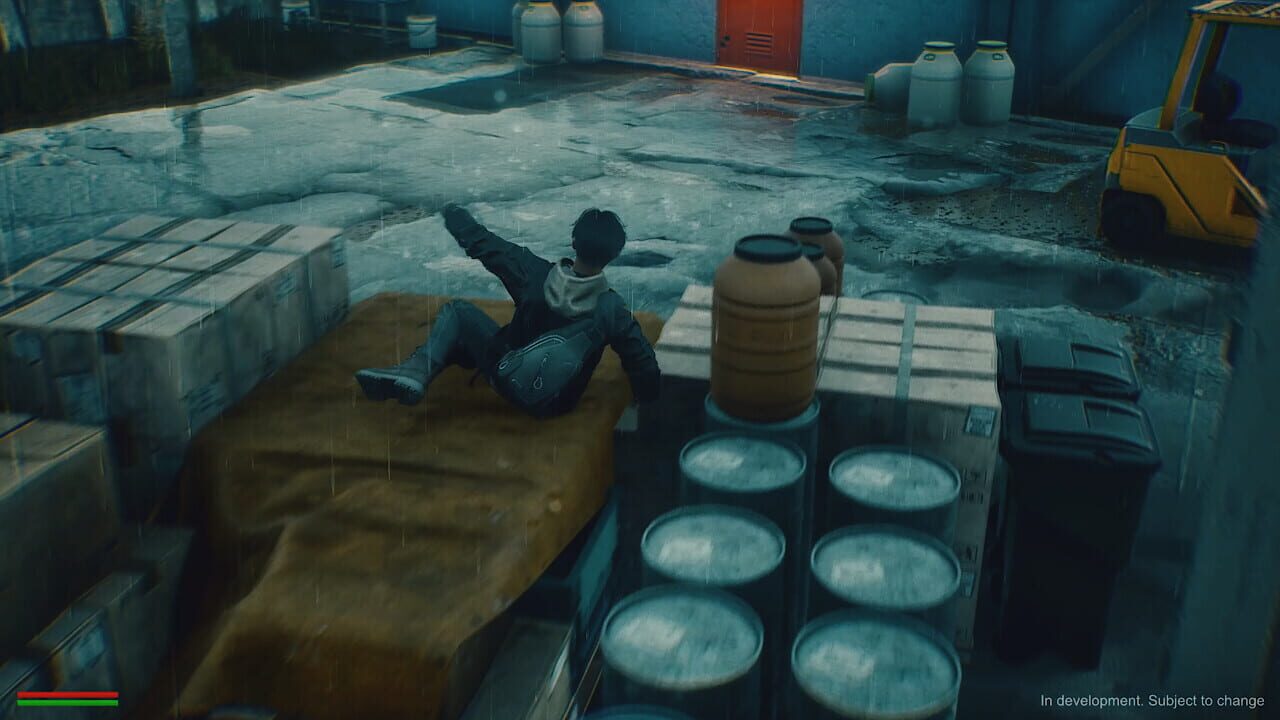
Acts of Blood is the newest link, and the first one built by a team working in the city where the whole chain started. Fajrul, the lead developer behind Eksil Team, a small studio of nine collaborators headquartered in Bandung, has been unusually open about the game's reference points, more open than almost anyone else named in this essay. "The Raid inspired the tone raw, brutal, and grounded," he has said, alongside a list of touchstones that also includes The Raid 2, Ong Bak, Timo Tjahjanto's The Night Comes for Us, and Jackie Chan's Police Story films, plus the games Sleeping Dogs, Sifu, the Batman: Arkham series, and Jackie Chan Stuntmaster. On the feel of a landed hit specifically, Fajrul has said: "Realism is important. We use slower recovery, heavy sounds, and grounded animation so every hit feels painful." He has also described the tuning process as a long one, since tiny changes in timing or animation could make a hit read as weightless rather than heavy. Guns sit in Hendra's arsenal alongside bats and knives, but sparingly, by design: the team's own description of the balance is that firearms should "add tension, not distraction," without displacing the melee focus that is the point of the game. Parkour is built into the traversal for a similarly deliberate reason, described as a breathing point so a player is not, in the team's own phrase, "punching non-stop" for the length of the game, a pacing decision rather than a mobility gimmick. A demo has been available on Steam since November 2024, the project appeared at the Summer Game Fest showcase on June 7, 2025, and Eksil Team is working toward release in the third quarter of 2026, on PC, through Steam.
What Fajrul is building, on his own account of it, is not a pencak silat game. It is a Raid game, assembled from the same short list of films and the same handful of borrowed games that a teenager with an internet connection could have watched and played anywhere in the world, and that is worth sitting with rather than smoothing into a tidier story about the form coming home. Indonesia exported this grammar once already, in a body technique that took a documentary crew, a phone-company driver, and three months of crash mats to first put in front of a lens. What is arriving back in Bandung this year is that export's echo rather than the export itself: a decade and a half of cinema's own abstraction of pencak silat, filtered through Hollywood cameos and a French studio's fight club and a personal watchlist that happens to include some Indonesian titles among the Thai and Hong Kong and Chinese ones, landing in the one city on earth equipped to notice exactly how far the signal has traveled from where it was first recorded. If that reads as a complaint, it is not meant as one. Fajrul has done more than most of the names above to state his debts specifically and repeatedly, when the film and game credits that came before him mostly did not. The candor does not restore what the chain has spent since 2007. It only makes the spending unusually easy to itemize.
Bandung's own history has already staged a version of this question, in a register that has nothing to do with martial arts. The city Dutch colonial planners built up through the early twentieth century into a resort town of tree-lined boulevards, nicknamed Paris van Java for the trouble they took to make it resemble one, contained a social club called Sociëteit Concordia, a hall reserved for the colonizers and marked at its entrance with a sign barring dogs and natives. In April 1955, delegates from twenty-nine newly independent and still-colonized nations, representing more than half the population of the planet, gathered inside that same hall for the Asian-African Conference and declared, on their own terms, an end to the arrangement the building had been built to enforce. It was renamed Gedung Merdeka afterward, the Freedom Building. It is still standing in the city where a small studio is now finishing a game built out of a martial art that left home decades ago and has been coming back, one credit at a time, speaking someone else's accent.