

In the summer of 1890, an Anglo-Irish theatre manager named Bram Stoker took the train from London to Whitby, a small herring-fishing town on the North Yorkshire coast that had been growing into a fashionable summer holiday destination across the previous two decades. Stoker was forty-three, employed as the business manager of the Lyceum Theatre in London under the actor Henry Irving, and had been writing fiction in the corners of an otherwise demanding professional life for roughly a decade without commercial success. He stayed at a guesthouse on the Royal Crescent. He spent his days walking up the one hundred and ninety-nine steps from the harbour to St Mary's Church and the ruined twelfth-century Whitby Abbey on the cliff above it, and his afternoons reading in the small public library next to the harbour. The library held, in its travel-and-folklore section, a copy of a book published two years earlier by an Anglo-Hungarian writer named Emily Gerard, titled The Land Beyond the Forest: Facts, Figures, and Fancies from Transylvania. Stoker borrowed it. Inside the book he found, among many other things, a description of the South-Eastern European folkloric figure called the nosferatu, an undead spirit that drank the blood of the living. Stoker took notes. The notes, preserved in his working journal and edited and published as a facsimile in 2008, contain the early outline of a novel that would become, seven years later, Dracula.
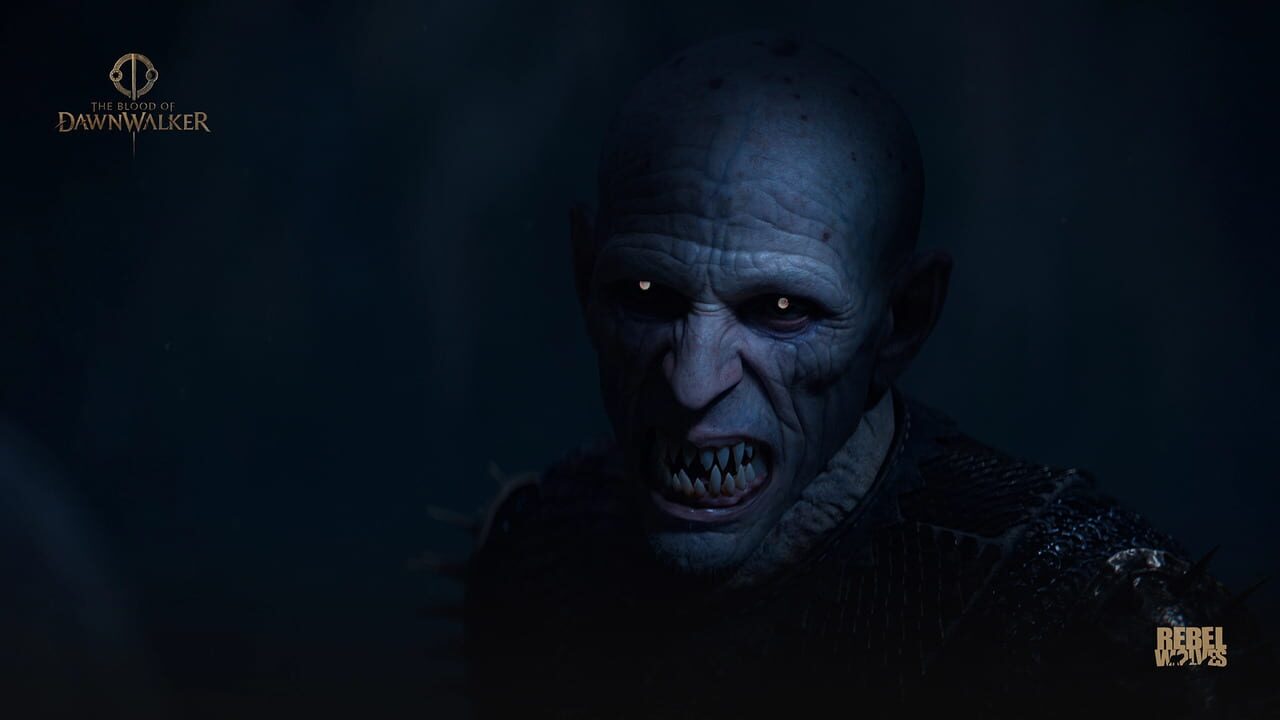
The 1897 publication has gone on to be one of the most replicated cultural objects the English-speaking world has produced. The figure of the vampire as Stoker assembled him, from Gerard's folkloric fragment and a substantial body of nineteenth-century English vampire fiction the form's own connoisseurs had been working through since John Polidori's The Vampyre in 1819, has been continuously rewritten across the intervening hundred and twenty-nine years. Murnau's 1922 silent film. Tod Browning's 1931 Bela Lugosi adaptation. The Hammer Horror cycle from the late 1950s into the 1970s. Anne Rice's 1976 novel and the lineage it opened. The Buffy and Angel television seasons of the late 1990s and early 2000s. The Twilight novels and their film adaptations across 2005 to 2012. The HBO True Blood series across 2008 to 2014. The Vampire Diaries. The Strain. What We Do in the Shadows. Cyberpunk 2077's V. The Castlevania Netflix series. The 2024 Robert Eggers remake of Nosferatu. The 2026 Rebel Wolves vampire role-playing game called The Blood of Dawnwalker.
This is a History & Memory essay. Its subject is the cultural function the vampire has been performing across the past hundred and twenty-nine years, the very specific way the function changes register every generation while the figure stays superficially the same, and what the new entry in the lineage that Rebel Wolves releases on 2 September 2026 reveals about the specific anxiety the figure is currently being asked to carry. The argument the essay wants to commit to is one the field has been making for thirty years and the popular conversation has been declining to take on board with the steadiness the argument deserves. The vampire is not a stable creature with a stable cultural meaning that the form has been refining across the decades. The vampire is the mirror the culture happens to be holding up to itself in the year it is publishing the vampire, and the figure stays in commercial production not because it stays the same but precisely because it can be reshaped, every generation, into the carrier of whatever it is the culture is currently afraid of and cannot say outright.
The foundational text on this reading is Nina Auerbach's 1995 Our Vampires, Ourselves, published by the University of Chicago Press and remaining the consolidated scholarly treatment of the figure as cultural mirror. Auerbach was an English professor at the University of Pennsylvania, a specialist in Victorian literature, and a person who had been thinking about vampires across the entirety of her professional life. The book's central observation is the one this essay's argument has been working back toward, and Auerbach put it more precisely than the secondary literature usually has. The vampire, on her reading, is not a coherent figure across the history of its commercial production. The vampire is a shape-shifter that adopts whatever surface its surrounding culture requires while preserving a small core of formal properties (the fangs, the immortality, the blood-drinking, the night) that allow the figure to remain identifiable across rewrites. The cultural work the figure performs is in the rewrites, not in the core. Each generation gets the vampire it needs. The fact that the figure stays in production across the generations is the evidence that the cultural need persists. The shape of the need is what the period-specific vampire is reporting back.
This is worth working through historically, because the case is made by the cumulative pattern more than by any single instance. Stoker's 1897 Dracula was, in Auerbach's careful reading, a figure built out of three convergent late-Victorian anxieties the period had not been able to address directly. The first was the New Woman: the educated, sexually independent, professionally ambitious figure who was emerging in English public life across the 1880s and 1890s and who was, for substantial parts of the late-Victorian male readership, a source of pronounced discomfort. The novel's two female protagonists, Lucy Westenra and Mina Harker, are mapped explicitly onto the New Woman archetype, with Lucy (the more openly desirous of the two) drained and killed in the first half of the book, and Mina (the more domestically loyal) preserved and converted into the maternal closing image of the novel. The novel's treatment of female sexual independence is, on this reading, a working-through of late-Victorian anxiety in the surface vocabulary of the vampire. The second anxiety was contamination: the period's substantial investment in public-health infrastructure (the Public Health Acts of 1875, the bacteriological discoveries of Koch and Pasteur, the cholera and typhoid outbreaks of the 1880s and 1890s) had produced a vocabulary of infection that the novel borrows wholesale. Dracula's bite produces a slow biological transformation in the bitten. The transformation is communicable. The transformation is figured as disease. The third anxiety was the Eastern European immigrant. The 1881 assassination of Tsar Alexander II had triggered a wave of pogroms in the Russian Empire and a corresponding wave of Jewish emigration westward, much of which moved through London and other English cities across the 1880s and 1890s. The figure of Dracula, as Stoker built him, is explicitly an Eastern European nobleman who has resolved to relocate to London and who is coded throughout the novel in ways the secondary literature has, since the 1990s, been increasingly willing to read as antisemitic. The novel is not only this. The novel is also a horror novel, an adventure novel, a Gothic romance. But the cultural materials it is built out of are the three anxieties the period had been unable to discuss in their own vocabularies, and the vampire was the figure the materials assembled themselves around.
Murnau's 1922 Nosferatu, the German Expressionist unauthorized adaptation that Stoker's widow Florence Balcombe sued over for the rest of her life, was operating on a different set of cultural materials and shifted the figure accordingly. The film was produced in Berlin during the Weimar Republic's early years, in the aftermath of the influenza pandemic of 1918 to 1920 that had killed somewhere between fifty and one hundred million people globally and had been particularly visible in the German cities where the film's production team had spent the previous five years. The figure of Count Orlok, the film's vampire, is not Stoker's Dracula. Orlok is plague-figured. He arrives in the German port city of Wisborg on a ship whose crew has died from a sickness he is implicitly the carrier of. The rats that pour off the ship are the visible vector. The town succumbs, in the days following his arrival, to a wave of deaths the film figures as plague and the audience would have read as the Spanish Flu that had been the recent collective experience of the German population. The vampire in 1922 is the plague the country has just lived through, returning in a form the audience can finally look at. The figure carries the anxiety the period had not yet metabolized. The figure stays a vampire on the surface and is, underneath the surface, a different kind of cultural object than the 1897 figure.
Anne Rice's 1976 Interview with the Vampire shifted the register again. Rice was a New Orleans novelist whose five-year-old daughter Michelle had died of leukemia in 1972, and the novel, written across the four years following Michelle's death, has been read by Rice herself in subsequent interviews as a grief-processing project that became, in the writing, something larger. The vampire in Rice's hands is no longer a foreign aristocrat arriving from elsewhere. The vampire is a sensitive young man named Louis who has been recruited into immortality against his will and who narrates his own existential difficulty in the first person across two hundred and fifty pages. The 1976 novel is the moment the vampire-as-protagonist enters the lineage. The novel is also, on the reading Auerbach made canonical, the figure carrying the early 1970s' working-through of queer experience under late-Stonewall conditions. The vampire is a man who lives apart, whose desires are not the desires the surrounding culture authorises, whose intimate companionships are with other men, and whose continued existence is conditional on the secret being kept. The novel was not received as a queer text in 1976 in the way a comparable text would be received now, but the secondary literature across the 1990s and 2000s has been increasingly clear that the queer subtext was the novel's central energy. The figure is also, in retrospect, AIDS-figured. The blood-borne immortality-by-infection that Rice's vampires share would, six years after the novel's publication, become a chillingly close formal mirror of the early 1980s public-health crisis that would devastate the gay communities the novel's subtext had been working inside. Rice did not know what was coming. The figure she had built was waiting for it.
Stephenie Meyer's 2005 Twilight, the Mormon Utah housewife's novel that became one of the most commercially successful publishing properties of the early twenty-first century, shifted the register again and shifted it sharply. The vampire in Meyer's hands is a chaste, restrained, profoundly self-controlled high-school boy named Edward Cullen, who refuses to consummate his relationship with the human girl Bella Swan until the institutional sanction of marriage has been obtained, and whose vampiric appetite is explicitly figured as the moral test he is required to pass without ever failing. The Twilight novels and their film adaptations are, on careful reading, a working-through of the post-9/11 American religious revival, with its renewed emphasis on premarital chastity, its anxiety about adolescent female sexuality, and its preference for restraint-as-virtue. Edward Cullen is the late-Victorian male's anxious daydream of the disciplined New Man, four generations later and on the opposite side of the Atlantic. The figure stays a vampire on the surface. The figure is, in 2005, a different cultural object than the 1976 figure had been.
The 2008-2014 television wave, comprising True Blood, The Vampire Diaries, the various other CW productions of the period, and a substantial volume of secondary cable productions, did something different again. The vampire in this register became an identity-politics figure: the visible minority whose civil status was being publicly contested, whose access to ordinary life was being legislated, whose romantic relationships with humans were standing in for the period's working-through of interracial relationships, queer relationships, and the broader cultural politics of who counts as a citizen of the same community. True Blood's pilot episode, which aired in September 2008 in the middle of the Obama-McCain presidential campaign, contains the deliberate visual rhyme between a roadside sign reading "GOD HATES FANGS" and the period's real anti-LGBT yard signs. The series ran for seven seasons. The political register the vampire was carrying remained legible across all of them.
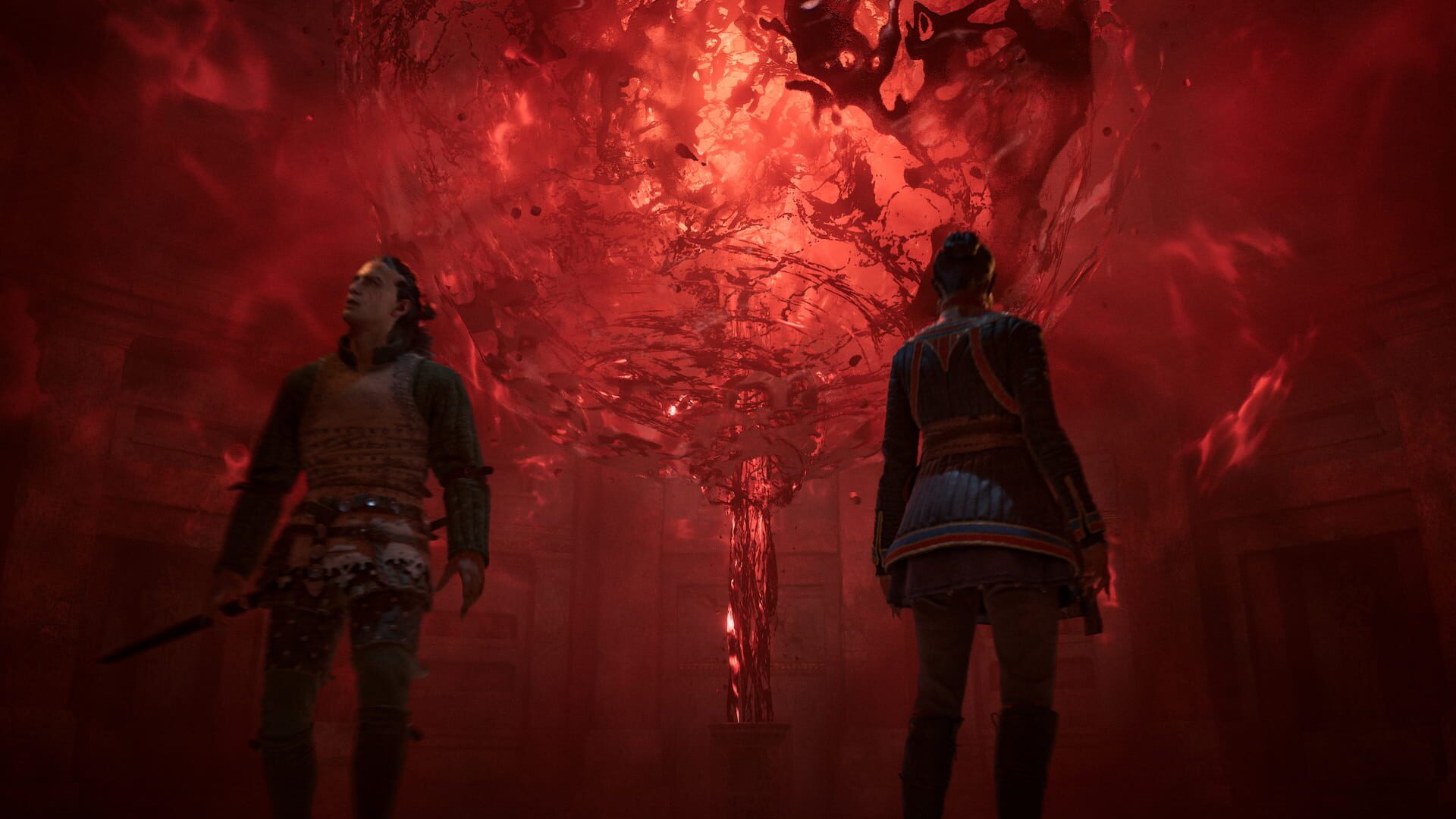
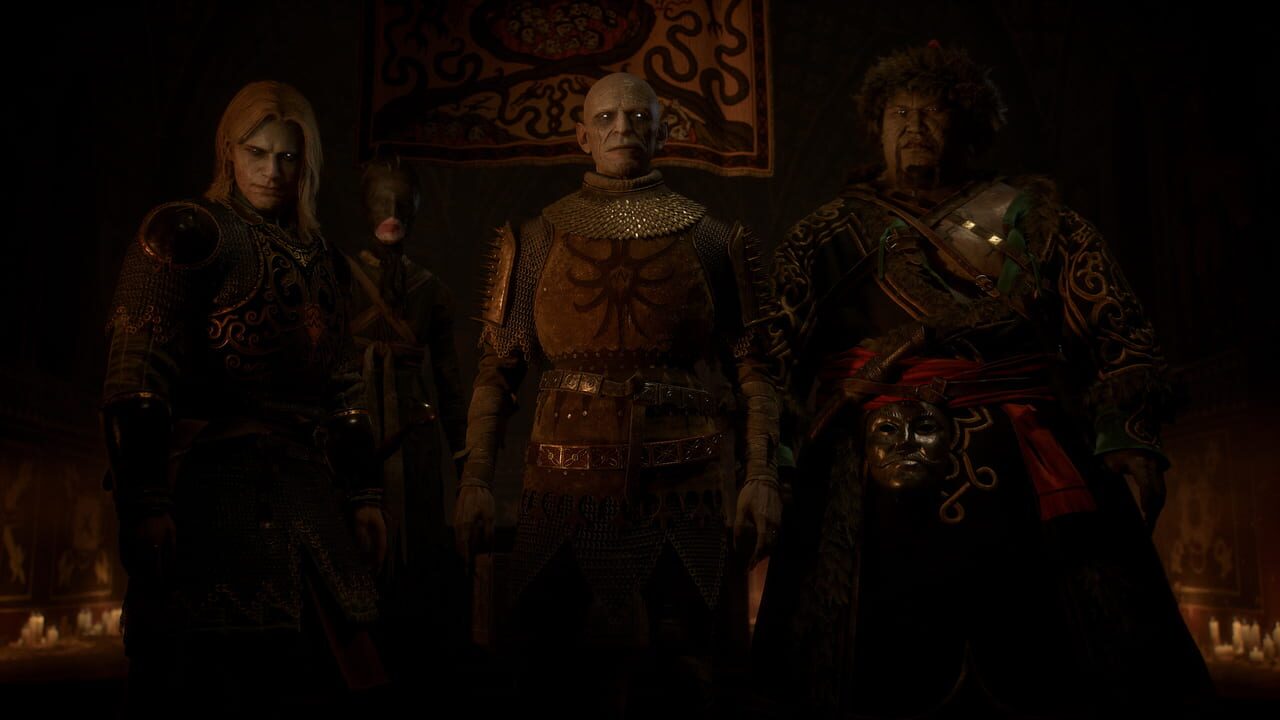
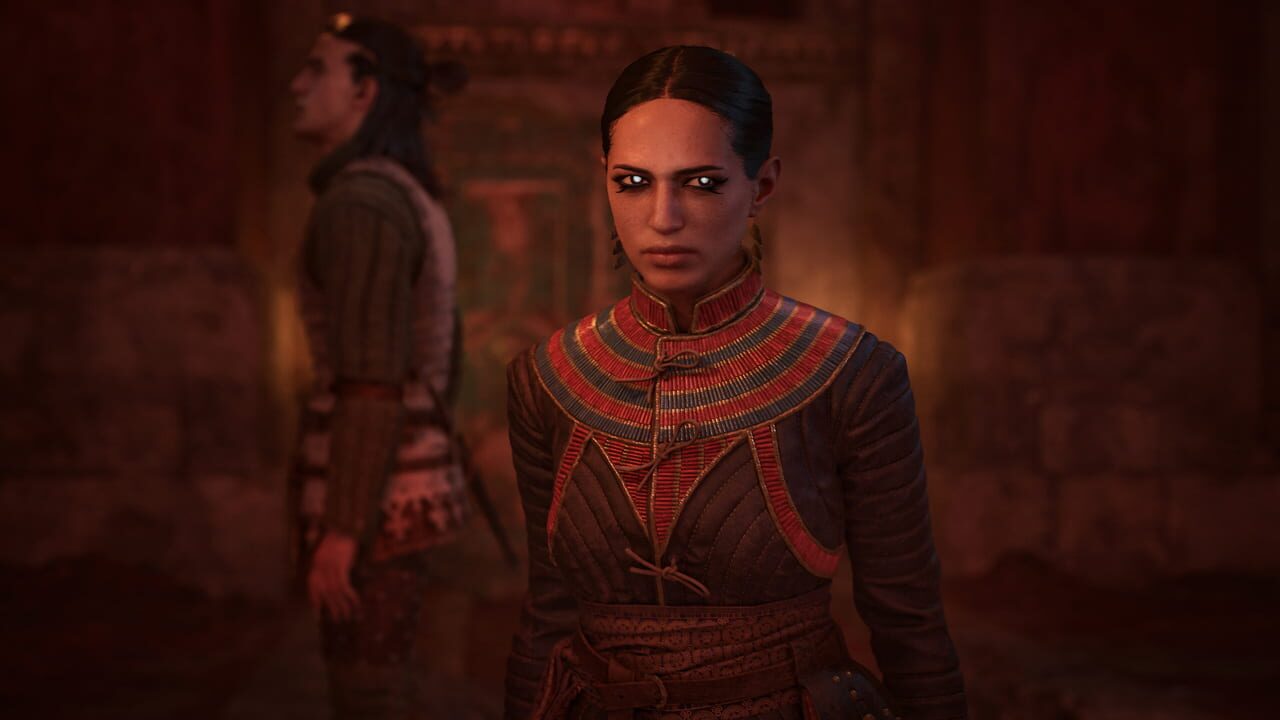
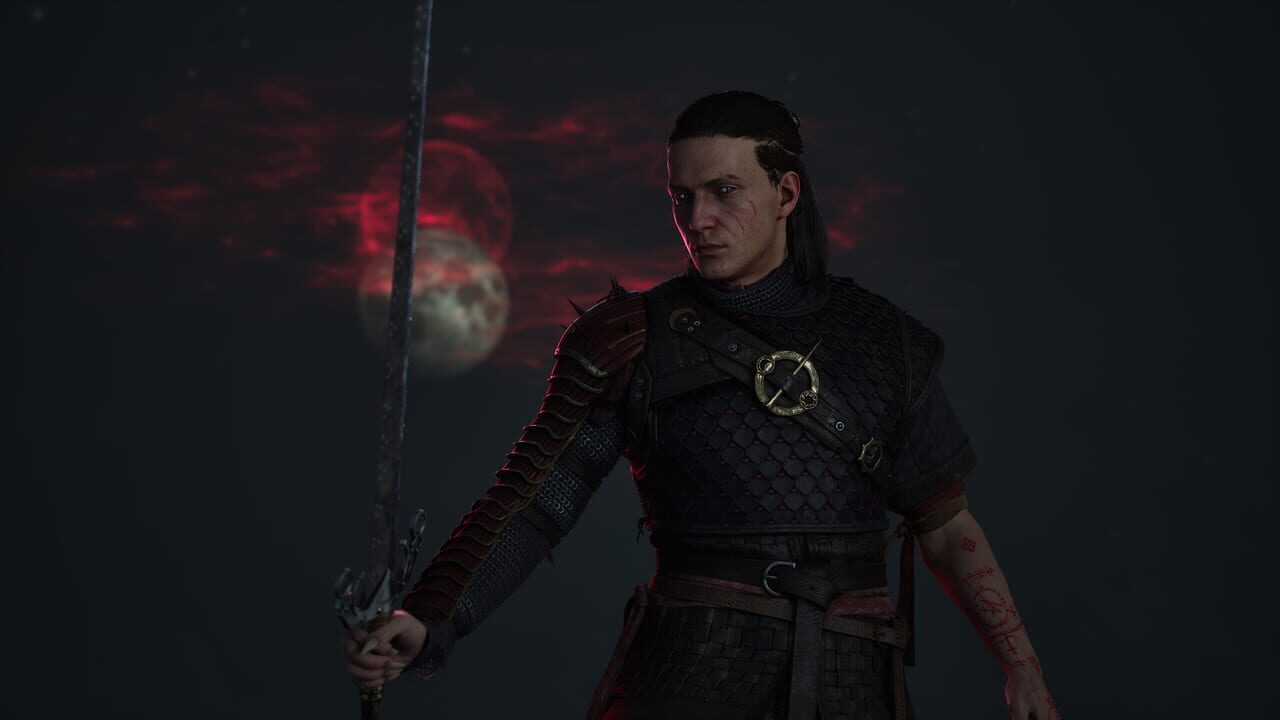
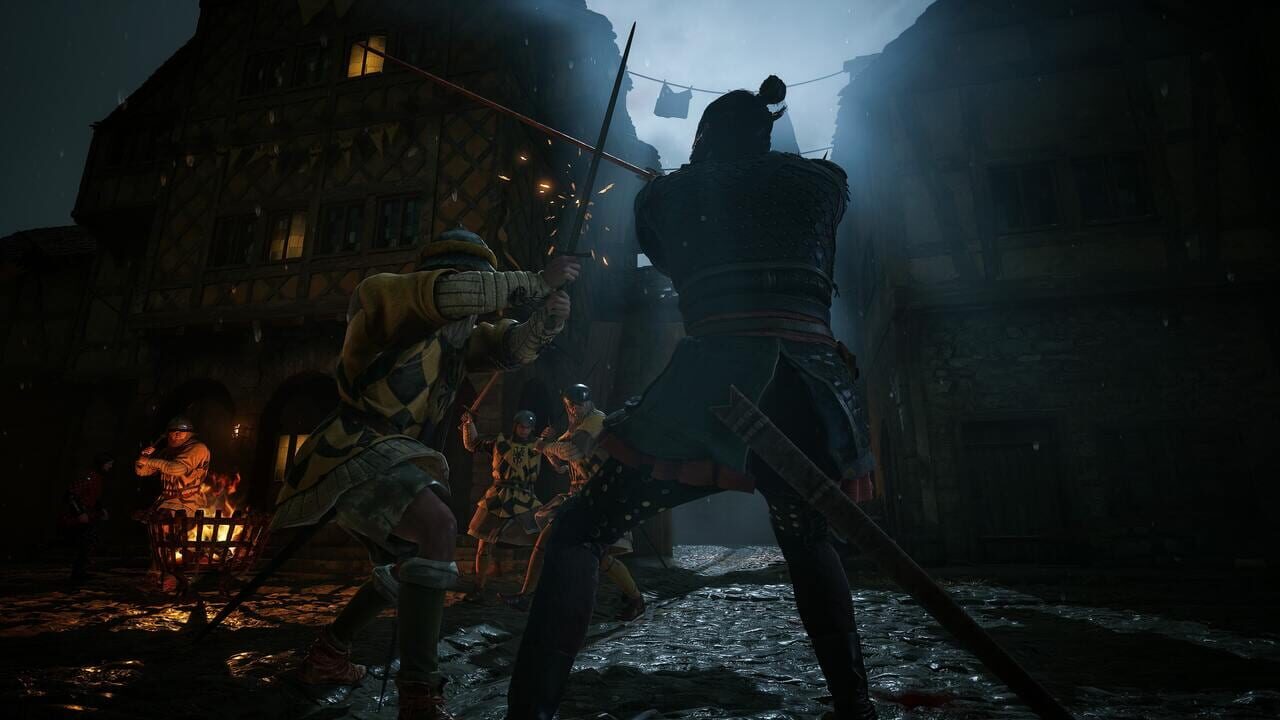
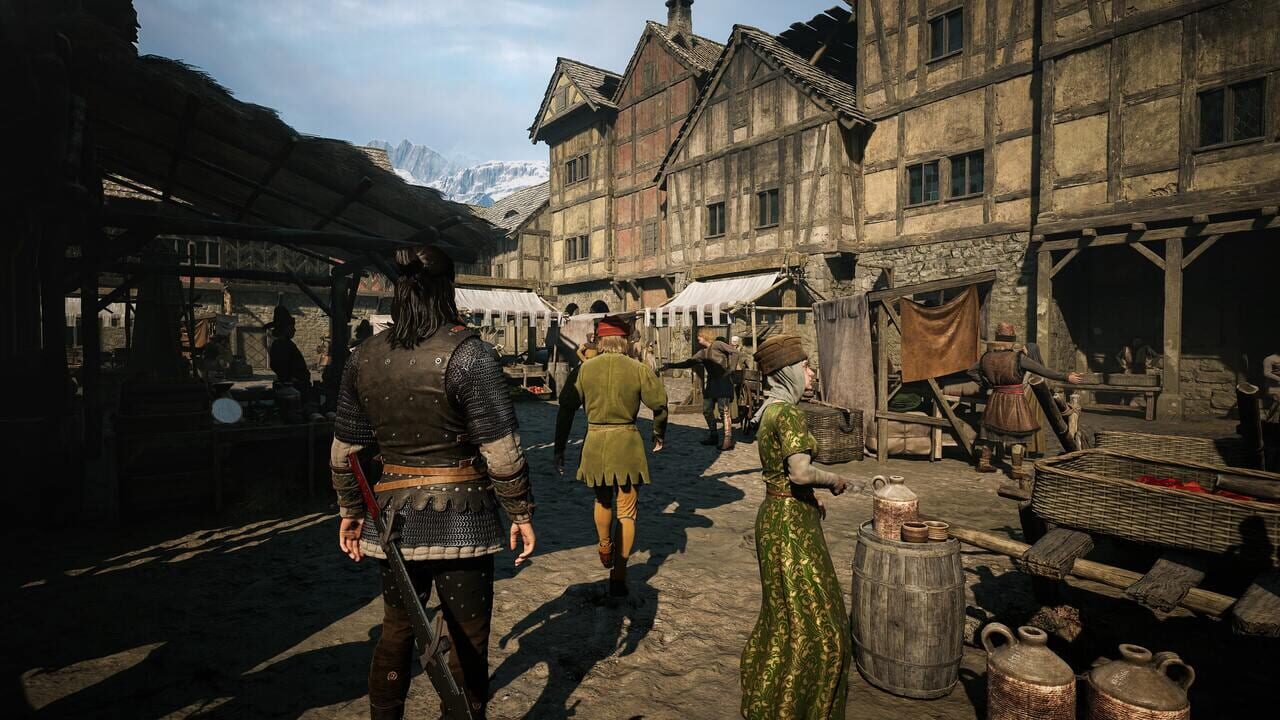
This is the cultural lineage The Blood of Dawnwalker arrives inside. The Polish studio Rebel Wolves was founded in 2022 by Konrad Tomaszkiewicz, the former game director of The Witcher 3: Wild Hunt, alongside several other senior figures who had left CD Projekt Red across the difficult post-Cyberpunk-2077 period. The studio's first major production has been Dawnwalker. The game's structural premise is one the lineage has not, to my knowledge, deployed before in a major release: the protagonist is a young man who has been turned into a vampire and has thirty in-game days to find a cure before the transformation becomes irreversible. The setting is a fictionalised mediaeval Eastern Europe that draws explicitly on the same Carpathian-Romanian visual register Stoker had assembled from Emily Gerard in 1890. The combat is third-person action role-playing in the Witcher tradition. The narrative emphasis, on the available developer commentary, is on the protagonist's ambivalence about his own transformation and on the question of what he is willing to do to other people to obtain the cure.
The question this essay wants to ask, and to leave with the reader as the analytical proposition the game's reception will eventually answer, is the question that Auerbach's framework has been training the field to ask of every new vampire: what is the period afraid of right now that the figure is being asked to carry? The candidates the early 2026 cultural-political moment suggests are several. The first is bodily transformation under conditions the subject did not authorise: the post-pandemic working-through of what was done to all of our bodies across 2020 to 2022, the steady advance of medical and pharmacological capacities to alter the body in ways the body cannot reverse, the cultural conversations about long-COVID, about hormonal interventions, about the body as a site of contested intervention by parties not always under the subject's control. The second is the time-limit anxiety the game's thirty-day clock makes explicit: the period's working-through of the climate-window vocabulary, the cultural mainstreaming of the phrase "before it is too late," the increasingly common rhetorical structure of a deadline beyond which intervention becomes futile. The third is the inheritance-from-a-collapsed-institution anxiety the developer's specific position embodies: the post-Cyberpunk-2077 Polish-studio diaspora, the broader twenty-first-century pattern of beloved cultural institutions failing and their senior staff carrying the institutional knowledge to new ventures, the cultural feeling of working under conditions inherited from a project one did not personally choose. The 2026 vampire is, on the available evidence, the figure being asked to carry some combination of these three. The reception will adjudicate.
There is an obvious counter-reading and the essay has to engage it. The counter-reading is that vampires sell, and vampire games sell, and the cultural-mirror framework is over-reading a piece of commercial entertainment whose continued production has economic rather than cultural explanations. Dracula has been a profitable figure for one hundred and twenty-nine years. The next vampire product will be profitable too. The framework above is, on this reading, importing literary-criticism vocabulary into a domain where the simpler commercial explanation suffices.
The objection is not nothing and the response has to be specific. The commercial mechanism is real and the framework is not claiming otherwise. The framework is claiming that the commercial mechanism cannot, on its own, account for the specific shape the figure takes in each generation. Vampires sell as a category. Stoker's Dracula and Meyer's Edward Cullen and Rice's Louis and Murnau's Orlok are all vampires and all profitable, but they are not the same figure with the same affective content swapped between equivalent surfaces. The differences are systematic. The differences track the cultural anxieties of the years the figures emerged in. The framework is the only one in the secondary literature that can explain why the figures look the way they look in each generation, and the framework's predictive value (Auerbach's framework, written in 1995, correctly predicted the broad shape of the 2008 television wave it could not have known about) is the empirical case for its usefulness. The commercial mechanism explains the category's continued existence. The mirror framework explains the category's continued variation. Both are required.
The closing image is from outside the gaming literature and is the small piece of Stoker biography the essay opened on. The library at Whitby that Stoker borrowed Emily Gerard's book from is still there, still operating, still lending books, still occupying the small building on the harbour where Stoker first read about the nosferatu. The North Yorkshire town has built, in the intervening century, a small tourism economy around the connection. The one hundred and ninety-nine steps Stoker walked up to the abbey are walked, every summer, by a steady stream of visitors who know they are walking on the route the novel's exiled count took when he came ashore in Britain. The library still has copies of the Gerard book. The bookseller at the bottom of the steps still sells copies of Dracula. The figure has been continuously reshaped, across the hundred and twenty-nine years since Stoker walked up those steps, into the carrier of whatever each subsequent generation has needed it to carry. The 2026 game is the latest entry. The figure remains in the library, on the shelf, waiting for the next reader who has not been able to say the thing the figure will, in the next decade, be assembled to say on their behalf.