It is roughly seven-thirty in the evening, and a small child in pajamas is sitting on a parent's lap, and the parent is reading a picture book aloud. The child has heard this particular book read aloud, by careful count, approximately forty-seven times. The child can recite the text on most of the pages from memory and frequently does so, supplying the words half a beat ahead of the parent. When the parent attempts to skip a page, the child notices and protests. When the parent tries to substitute a different book, the child sometimes accepts and sometimes returns the original. The child has, in the developmental-psychology vocabulary, a relationship with the object. The object is a forty-page bound work of cardboard, paint, and small printed lines of text, designed by an author and illustrator who never met the child, manufactured by a press the child cannot pronounce the name of, and purchased by the parent at the airport during a trip the child does not remember.
This scene, repeated in some form across most of the developed-world households with young children every evening for the past hundred years, has been the subject of more careful developmental research than almost any other cultural ritual the contemporary developed world produces. The research is, by the standards of cognitive science, unusually robust. The findings have replicated across many decades and many populations. They converge on a specific set of conclusions about what is happening to the child's developing brain during this seven-thirty ritual, and the conclusions matter for thinking about every cultural object that targets children - including, with surprising directness, the new Nintendo Switch 2 game whose central design proposition is to turn the picture-book form into a platformer the player operates from inside the book itself.
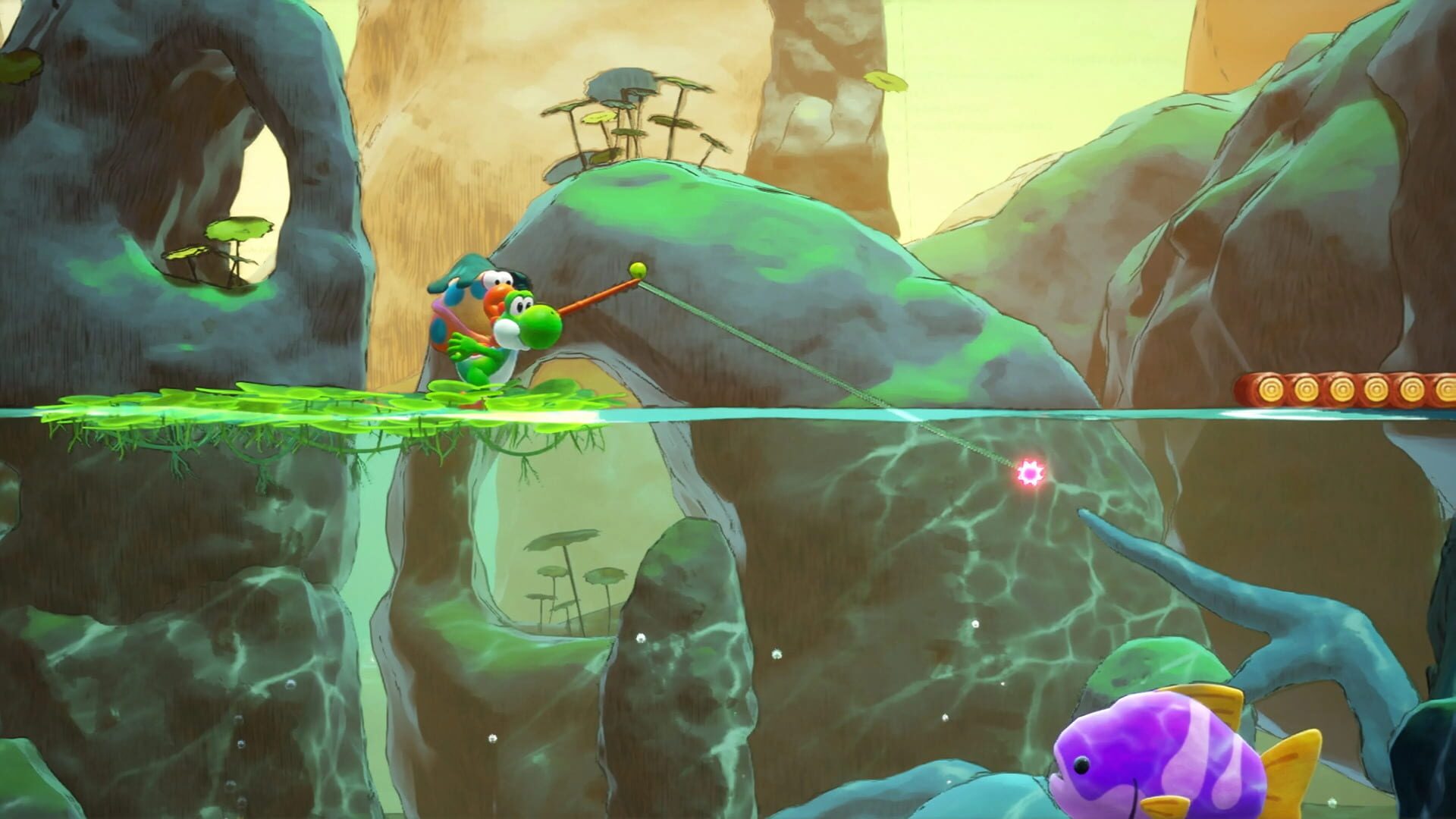
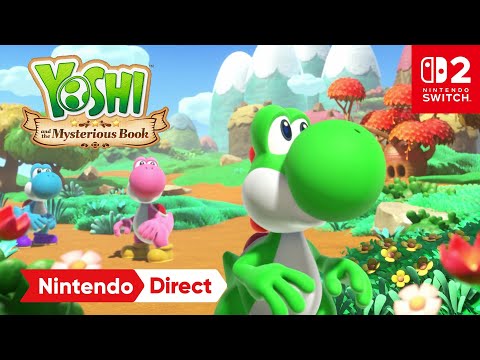
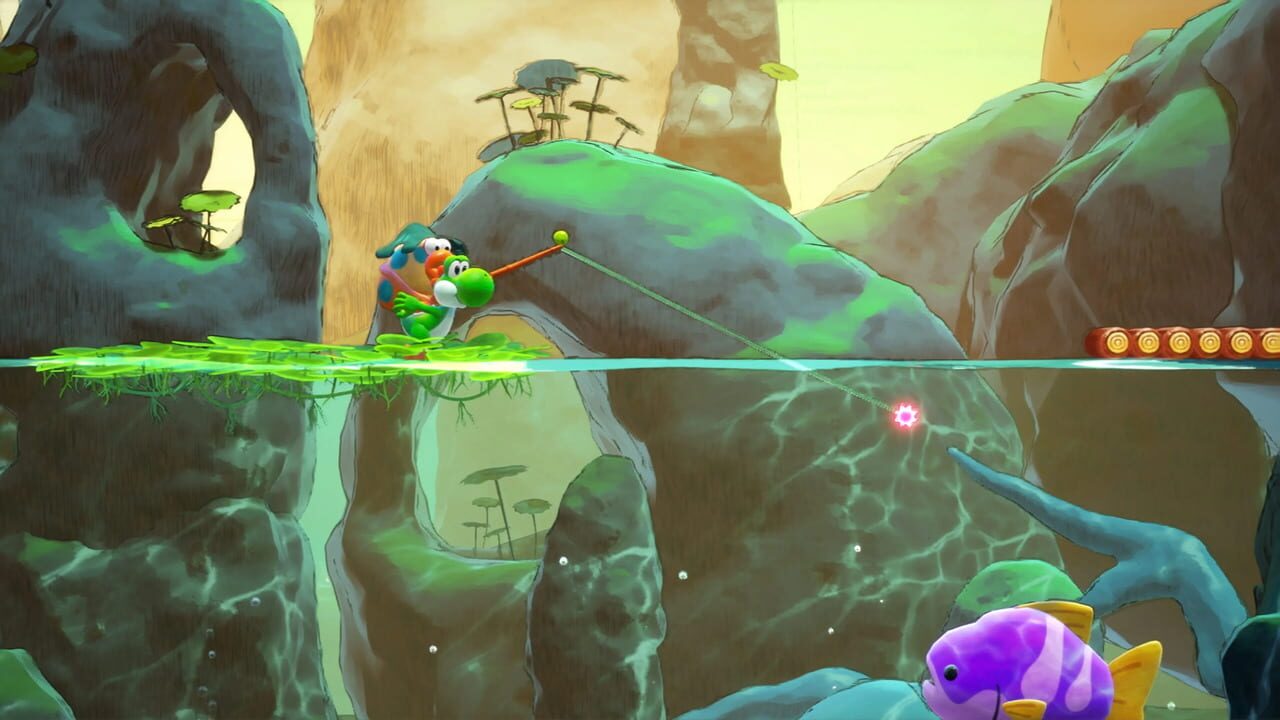
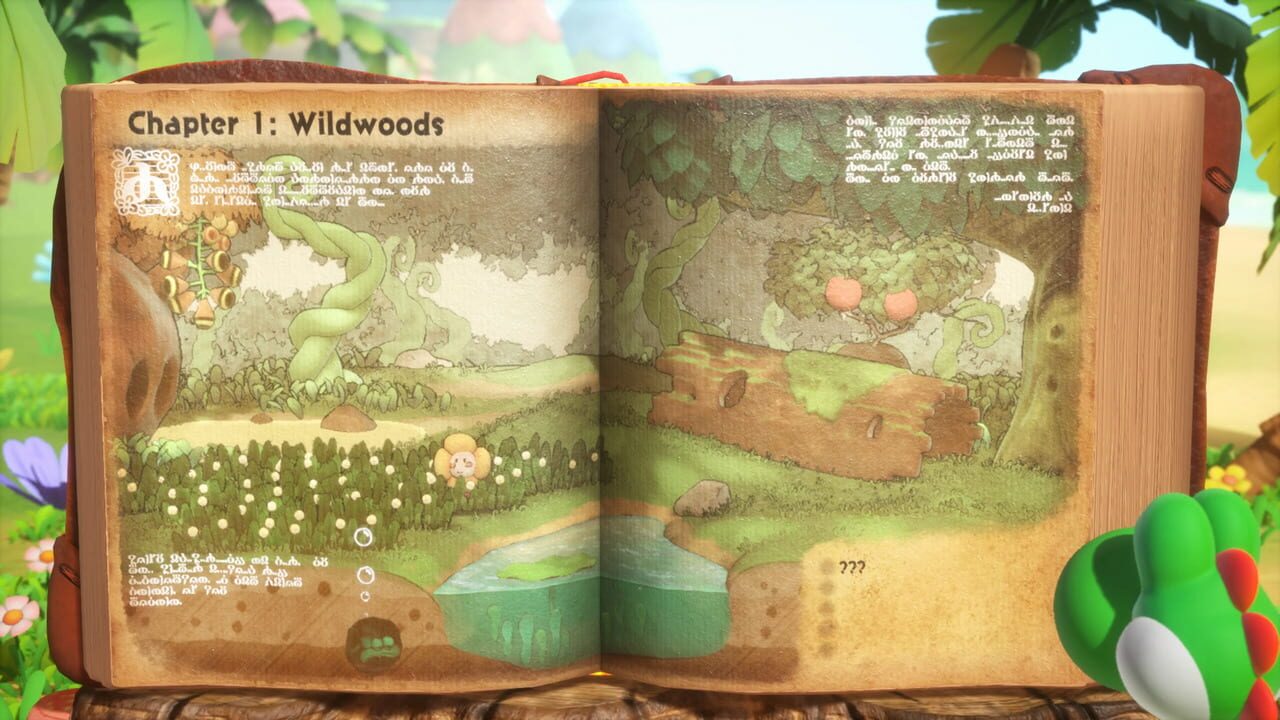
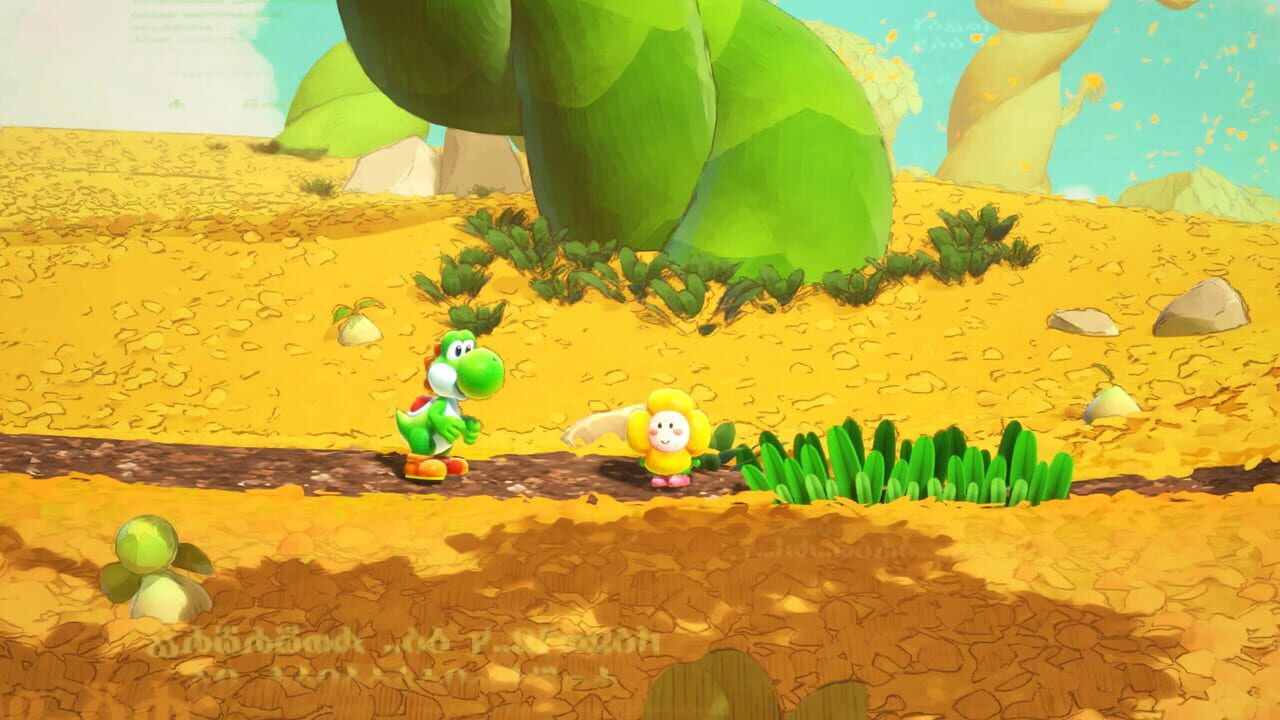
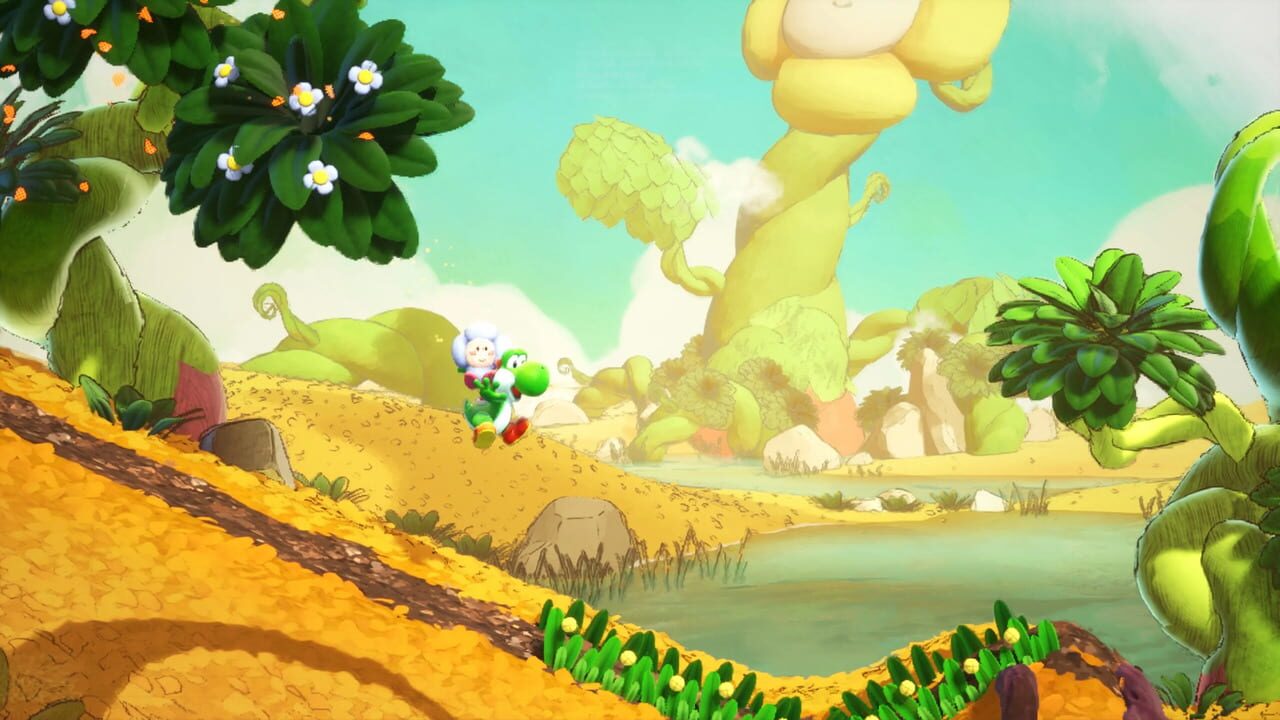
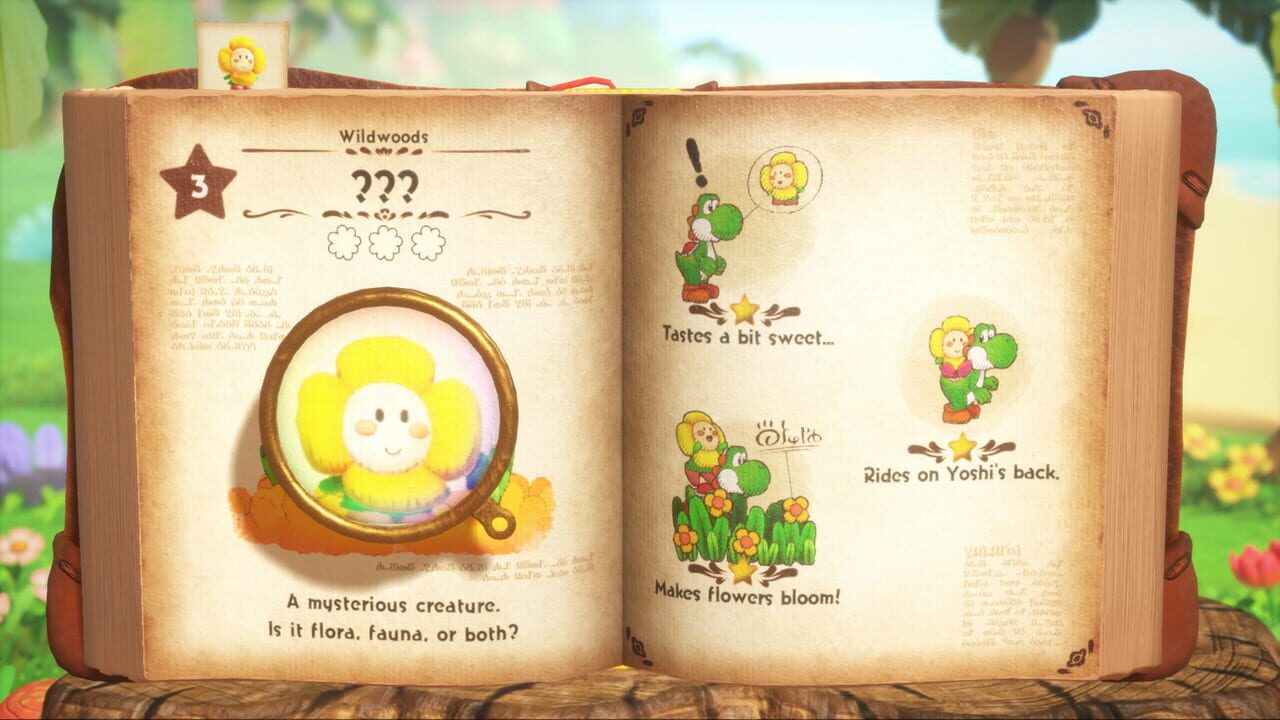
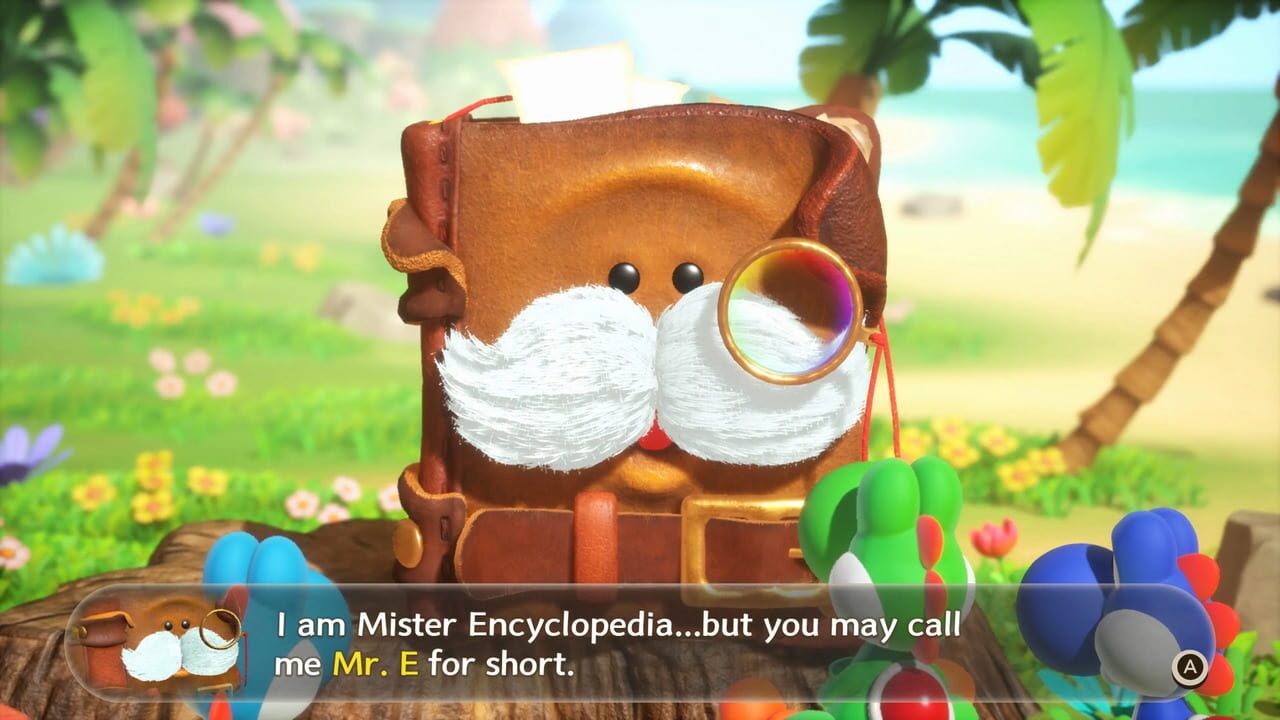
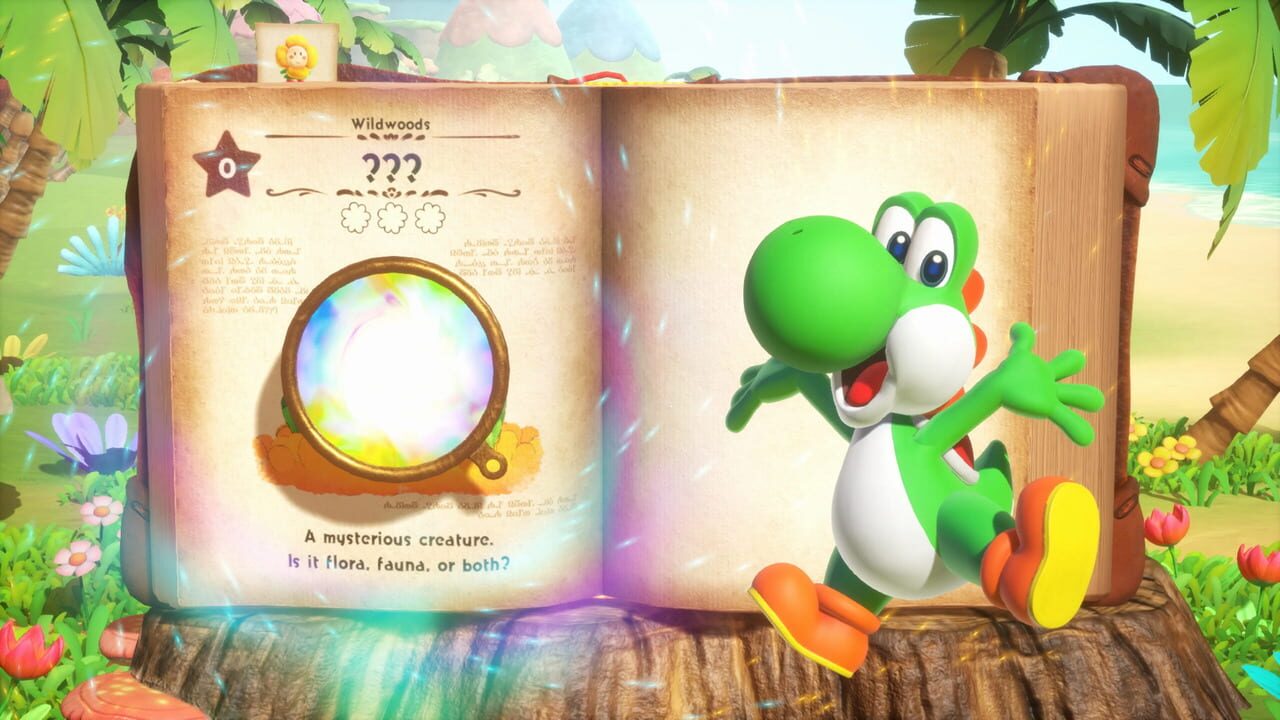
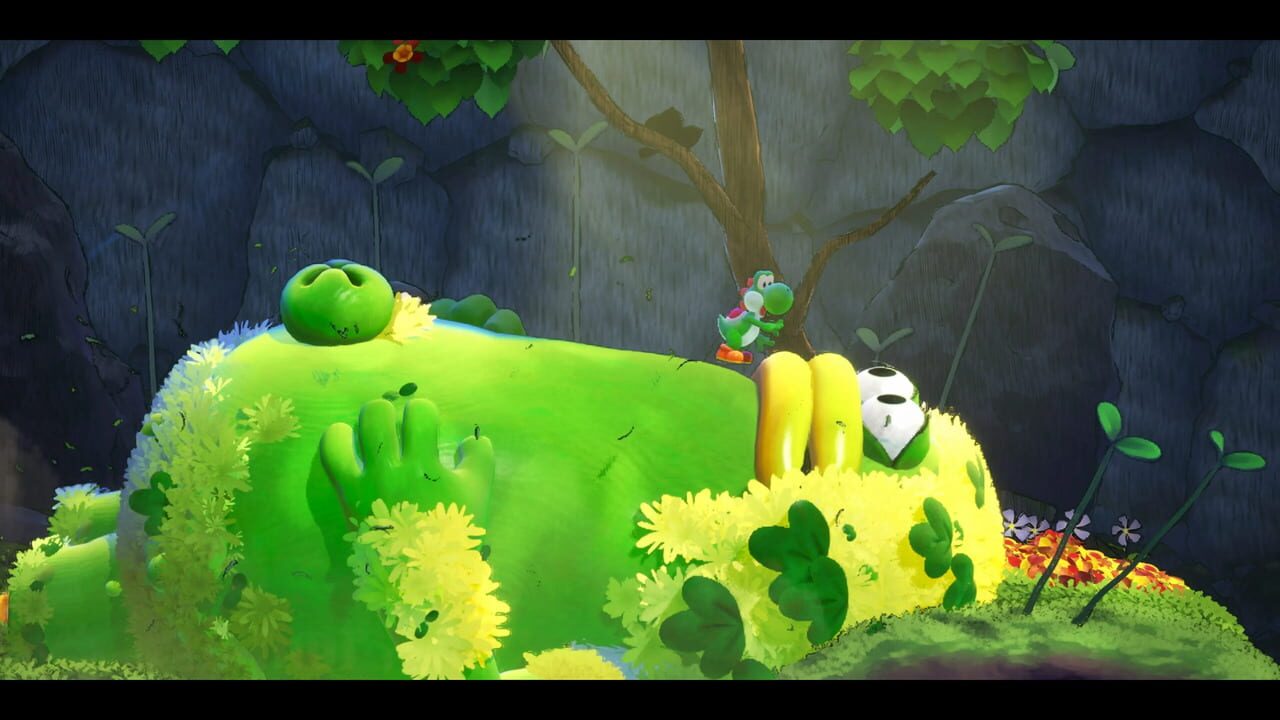
Yoshi and the Mysterious Book, the next entry in Nintendo's long-running Yoshi platformer series, releases for Switch 2 in May 2026. The game's design pitch is that the player enters a magical talking storybook and progresses through pages that operate as platforming levels. The aesthetic is in the Yoshi tradition the studio Good-Feel and its predecessors have refined across thirty years: soft shapes, warm colors, gentle animations, hand-touched textures, an aesthetic that the casual cultural conversation describes as "for children" and the developmental literature would describe as carefully tuned to the perceptual and cognitive preferences of young human nervous systems.
The frame this essay wants to give the reader is broader than this one game. The picture book is one of the most cognitively important cultural objects the developed world produces, and the work the form does on developing children's brains has been documented with a precision and consistency the surrounding cultural conversation has been slow to absorb. Once the reader has the frame, the picture book stops being decoration on early childhood and becomes recognizable as the small daily cognitive infrastructure project it actually is. Games that take the form seriously - whether or not the studios making them know what the form has been doing for the past hundred years - are participating in a cultural practice with measurable developmental cargo.
The foundational empirical evidence on what shared book reading does to young children comes from a long series of studies, but the most-replicated finding is captured in a 1995 meta-analysis by Adriana Bus and her colleagues at Leiden University. Bus and collaborators reviewed the available studies on joint adult-child book reading and found a consistent positive effect on subsequent reading achievement, language development, and what the literature calls emergent literacy. The effect held across populations, across study designs, across measurement instruments. The effect was substantial. The effect persisted years after the reading had occurred. The meta-analysis was, in the careful language of the literature, the moment when "reading to children matters" stopped being a folk belief and became an empirically supported pediatric recommendation.
What was happening in the brain during these reading sessions took longer to characterize. The Stanford developmental psychologist Anne Fernald, in a body of work across three decades, identified a specific cognitive operation that early language exposure was building. Fernald's lab worked out a method for measuring what the field calls processing speed in infants and toddlers: how quickly the child can recognize and respond to spoken words. The method involved eye-tracking experiments where infants would look at pairs of pictures while hearing a word naming one of them; the speed with which the child's gaze shifted to the correct picture was the processing-speed measure.
The Fernald lab's findings, published in Developmental Science in 2013 and elaborated in subsequent papers, were that infants from language-rich early environments developed measurably faster processing speed than infants from language-impoverished ones, and that the difference was already visible at eighteen months - long before any standard cognitive test could detect the developmental gap that would become visible in school years. The mechanism, on Fernald's model, was straightforward: every encounter the child has with hearing words mapped to referents is practice for the brain's parsing system; cumulative practice produces a faster, more automatic parser; the faster parser then frees up the child's attention to learn new words more rapidly, which produces a feedback loop in which the early-life language environment compounds over years into substantial cognitive differences.
The picture book, on Fernald's framework, is one of the most efficient delivery mechanisms developed cultures have for this practice. The form's specific properties - the limited vocabulary per page, the predictable rhythm of page turns, the close coupling of word to image, the repeatable nature of the reading session - happen to be calibrated almost exactly to what the developing parser needs to build itself. The child who is read picture books regularly is receiving, in unusually concentrated form, the cognitive nutrient the parsing system requires. The cumulative effect across the years from roughly eighteen months to roughly five years is the developmental head start the literature has been measuring since Bus's 1995 meta-analysis.
This is the part of the analysis where the surface charm of children's books reveals itself as substrate for something more specific. The picture book is not, in the developmental-psychology register, a small pleasant cultural object designed to entertain children before bed. The picture book is one of the few cultural forms the species has evolved that delivers, in concentrated daily doses, the cognitive input the developing brain has been calibrated to need.
What Maryanne Wolf, the cognitive neuroscientist whose 2007 Proust and the Squid and 2018 Reader, Come Home have been the most accessible recent treatments of the reading brain, has added to this picture is the longer arc. Wolf's work documents how the reading brain develops across childhood, what neural circuits get recruited from older perceptual and motor systems and repurposed for the specific demands of decoding text, and what happens to those circuits across adulthood as reading habits change. The early-childhood picture-book period is, on Wolf's model, the foundational layer of this longer architecture. The brain that has been steeped in picture-book reading for three years has the substrate the later development of full reading depends on. The brain that has not been steeped in this experience has to build that substrate later, against harder conditions, with measurably worse outcomes.
A 2015 study by John Hutton and colleagues at the Cincinnati Children's Hospital Medical Center, published in Pediatrics, took this analysis into the brain-imaging register. The Hutton group used functional MRI to scan three-to-five-year-old children's brain activity while they listened to age-appropriate stories. The children from homes with richer reading environments showed measurably greater activation in specific brain regions associated with semantic processing, mental imagery, and narrative comprehension. The activation pattern was, in Wolf's vocabulary, the early neural signature of the reading brain being built. The home reading environment was not just correlating with later cognitive outcomes; it was producing visible structural and functional development in the regions of the brain that would, several years later, do the work of full literate reading.
This is the developmental research environment Yoshi and the Mysterious Book enters. The game is, on its surface, a charming Switch 2 platformer in a long Nintendo tradition. On a longer look, the game is one of the rare commercial products that takes the picture-book form seriously enough to organize its entire design around it. The level structure is page-by-page. The mechanical vocabulary is recognizably the rolling, gentle, predictable rhythm of the picture book the child has been hearing read aloud for two years. The visual register is the Yoshi-house style refined across thirty years to be exactly what a developing child's perceptual system finds engaging without overwhelming.
What the game can do, given this design, depends in part on the developmental conditions of the players who actually pick it up. For the eighteen-year-old veteran Nintendo fan who has been playing Yoshi games since Yoshi's Island in 1995, Yoshi and the Mysterious Book will be a small additional entry in a long franchise relationship. For the four-year-old who plays it cooperatively with a parent, in something close to the same configuration as the seven-thirty bedtime ritual but with a controller instead of a turning page, the game is doing something the developmental-psychology research can name.
Whether the cognitive cargo of the picture book actually transfers to the game form is the empirically interesting question, and the research on this is genuinely thinner than the research on the original form. The available studies on app-based and game-based early-literacy interventions have produced mixed results. Some early-literacy apps appear to produce real developmental gains; many do not. The crucial variables, on the available research, are whether the form supports the joint adult-child interaction the original picture-book reading depended on, and whether the form's pacing allows the kind of sustained attention to specific word-image pairings that builds the parsing system. An app that the child uses alone, in fast-paced isolation, looks structurally different from a picture book read together at a slow pace.
Nintendo's Yoshi games have, by accident or by careful intention, mostly been designed in ways that support the joint-play configuration. The franchise has a long history of being playable cooperatively with parents, of having a difficulty curve that allows mixed-age play, of having a pace that does not exclude verbal interaction during the play session. Yoshi and the Mysterious Book continues this design lineage. The early reports suggest that the game has been designed with the picture-book reading session in mind as a literal reference point - the cooperative-play features, the page-turn pacing, the integration of voice-acted text with visual sequences are all calibrated to be functional in the joint-reading configuration. The studio's intention, in this register, looks aligned with what the developmental literature would predict produces real cognitive benefit.
There is a broader cultural-political note worth registering here, because the developmental research on early reading has been used in policy conversations in ways that are sometimes more contentious than the underlying science. The Hart and Risley research from 1995 - the famous "thirty-million-word gap" study - has been criticized in recent years for methodological limits and for being used to license a deficit-model framing of low-income families. The more careful contemporary research (Fernald's work, the Hutton group's imaging studies, the systematic-review literature) has refined the original findings considerably. The strongest conclusion the contemporary evidence supports is that the early language environment matters substantially for later cognitive development, and that joint book reading is one of the most effective interventions any caregiver can perform. The conclusion does not require any particular policy framework; it is descriptive of how the developing brain works.
The implication for the readers of this essay extends past the specific game and past Nintendo. If the reader has small children in their life, the picture-book reading session is doing more cognitive work than the surface ritual suggests. The fifteen minutes spent reading the same book for the forty-seventh time is, in the empirical-developmental register, fifteen minutes of carefully-calibrated cognitive nutrition the child's parsing system has been calibrated to need. The repetition is not the parent's failure to find more interesting material. The repetition is the developmental substrate.
If the reader does not have small children, the same picture-book research has implications for how the reader might think about their own continued cognitive practices as an adult. The developmental literature on what happens to reading capacity across the lifespan - Wolf's work is the most accessible recent treatment - suggests that the adult brain continues to need many of the same things the picture-book reading session was providing to the child. Sustained attention to a slow visual-and-verbal medium. Joint engagement with a text rather than parallel digital consumption. Re-reading. The adult who has stopped doing any of these things has, on the available evidence, allowed some of the reading-brain architecture to atrophy in ways the literature has been increasingly able to characterize.
What Yoshi and the Mysterious Book offers, taken at the small scale of one Nintendo platformer, is an unusually deliberate continuation of the picture-book form into a medium that has rarely treated the form with the developmental seriousness the form has earned. The game is small. The cultural work of the picture book has been continuous for over a century, and one Nintendo entry will not, on its own, change the trajectory of contemporary children's literacy. But the game is one of the small commercial signs that someone in the design team has been thinking about what the form does and how the medium might continue it. The seven-thirty ritual will continue in the homes where it has been continuing. The Switch 2 will be in some of those homes. The relationship between the two - the parent reading, the controller passed back and forth, the picture-book page now also a platformer level - is the small cultural object Nintendo has decided to make this year. The form has earned the seriousness. The studio has, in its way, returned it.