
In the fall of 1953, the construction crews working for the New York State Department of Public Works began clearing a path through the East Tremont neighborhood of the Bronx. The path was approximately one mile wide and seven miles long, and it ran from the Harlem River across the borough to the Bruckner Expressway. The path had been drawn on a map by Robert Moses, the Triborough Bridge and Tunnel Authority chairman and de facto urban-planning autocrat of New York City for several decades, and the map had been approved by a series of state and federal authorities who, as Robert Caro would later document at length in The Power Broker, had functionally no capacity to refuse what Moses had decided. The path required the demolition of approximately 1,500 apartments. The displaced residents - about 5,000 people, predominantly Jewish working-class families who had built the East Tremont neighborhood across the previous fifty years - were given, on average, ninety days to vacate, with minimal compensation, no replacement housing program, and no community-level input into the design. The construction continued for the next nineteen years. The result, when completed in 1972, was the Cross-Bronx Expressway, six lanes of elevated and at-grade highway connecting Manhattan-bound traffic to the eastern suburbs more efficiently than the previous surface street grid had managed.
The Cross-Bronx Expressway is now one of the most studied infrastructure projects in American urban history. Caro's documentation of the project's planning, construction, and consequences became the canonical example of what mid-twentieth-century top-down American urban planning had been doing to the populations whose neighborhoods sat in the path of someone else's pencil mark. The neighborhoods Moses cut through never recovered. The buildings that had not been demolished suffered from chronic air-pollution exposure, lost their commercial vitality as the foot traffic patterns that had supported neighborhood retail were disrupted, and entered a forty-year cycle of disinvestment and decline that subsequent administrations have only partially reversed. The South Bronx's twentieth-century reputation as a paradigmatic case of urban collapse - the 1970s burning buildings, the 1980s crack epidemic, the long generational poverty - has been substantially attributed by the contemporary urban-history literature to the specific stroke of Moses's pencil that drew the expressway through the heart of the borough in 1948.
This is the context the casual reader does not usually carry when they sit down in front of a city-builder game and begin placing roads.
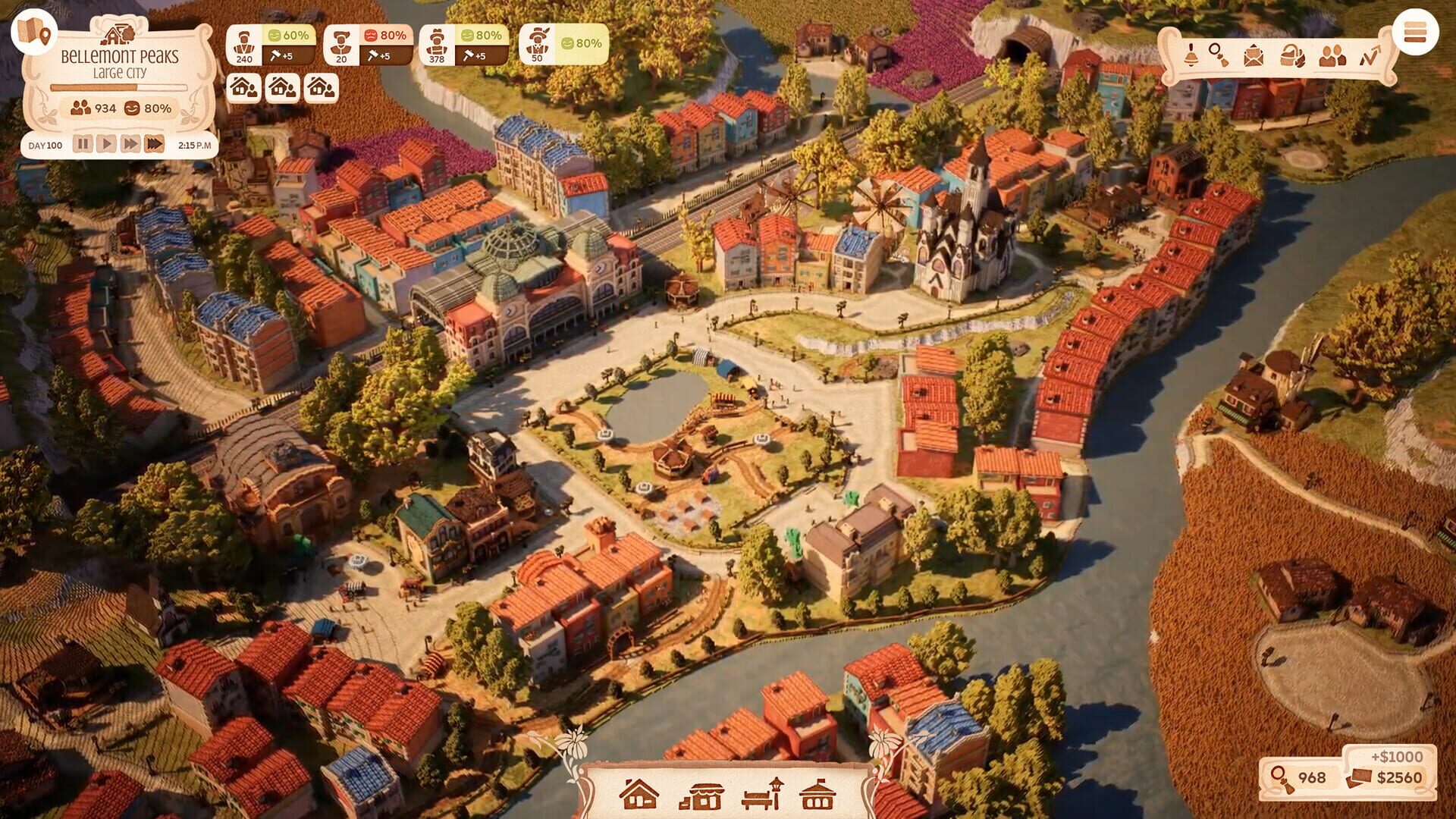
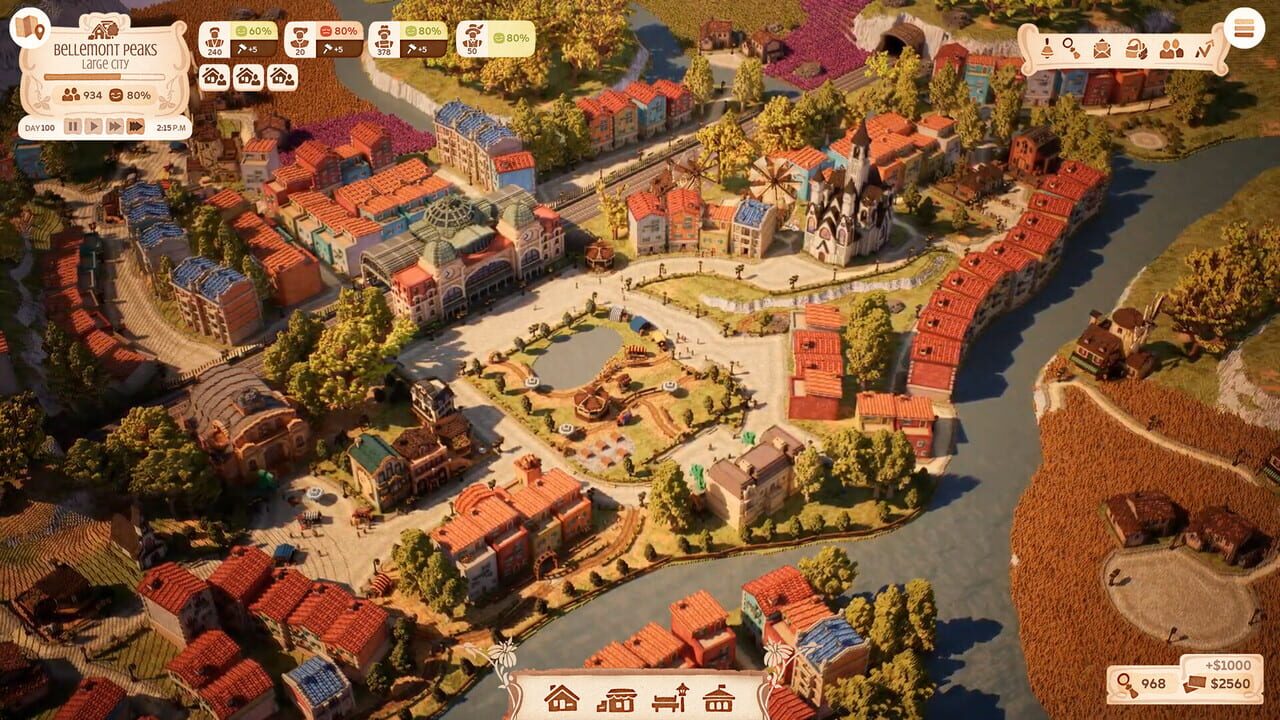
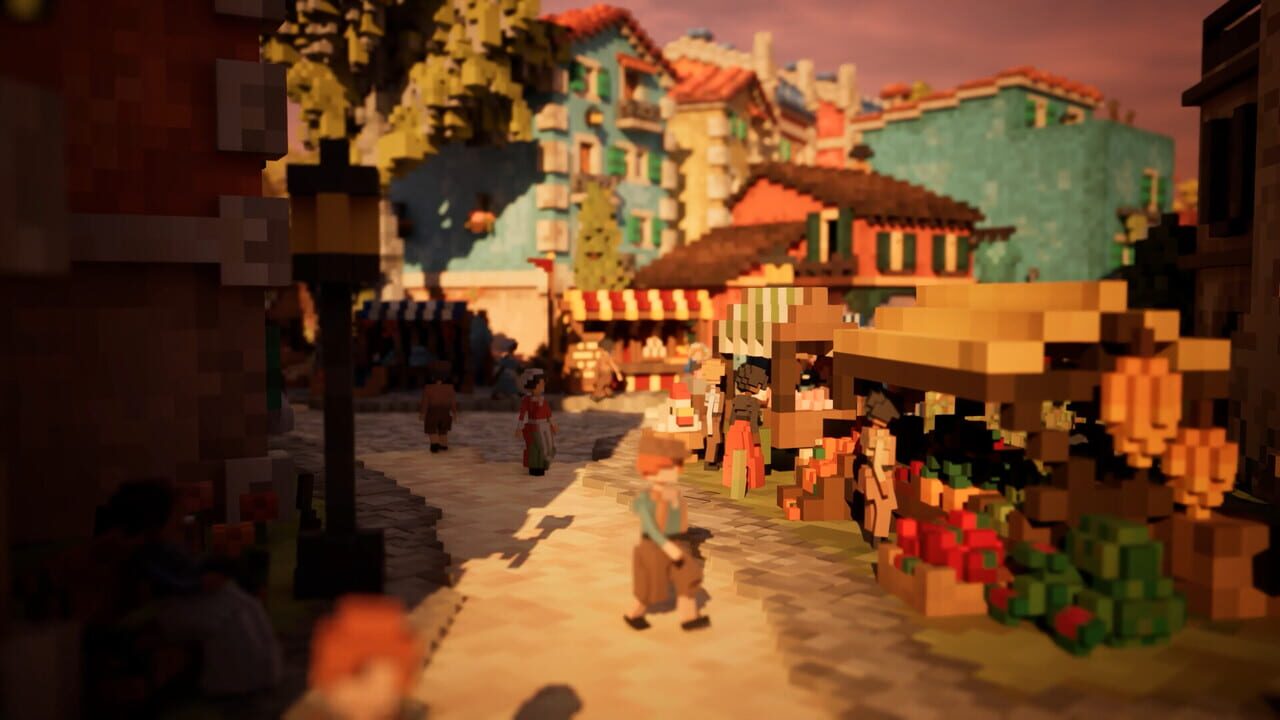
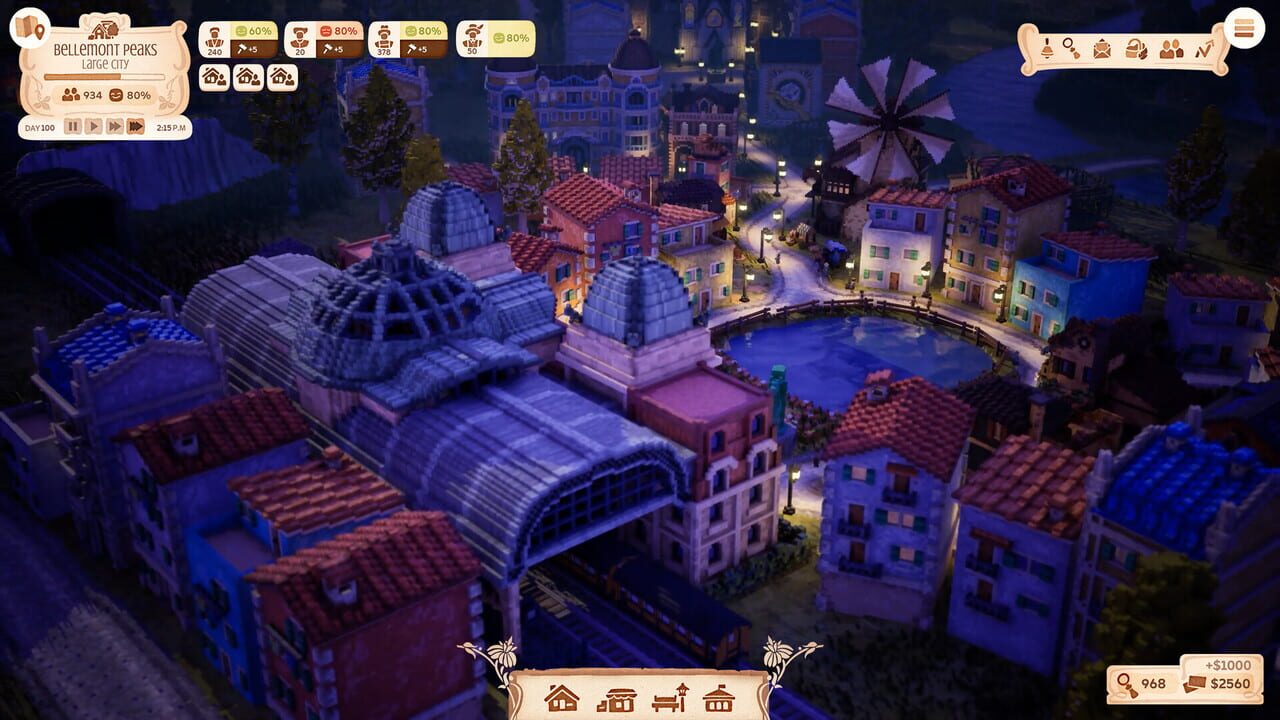
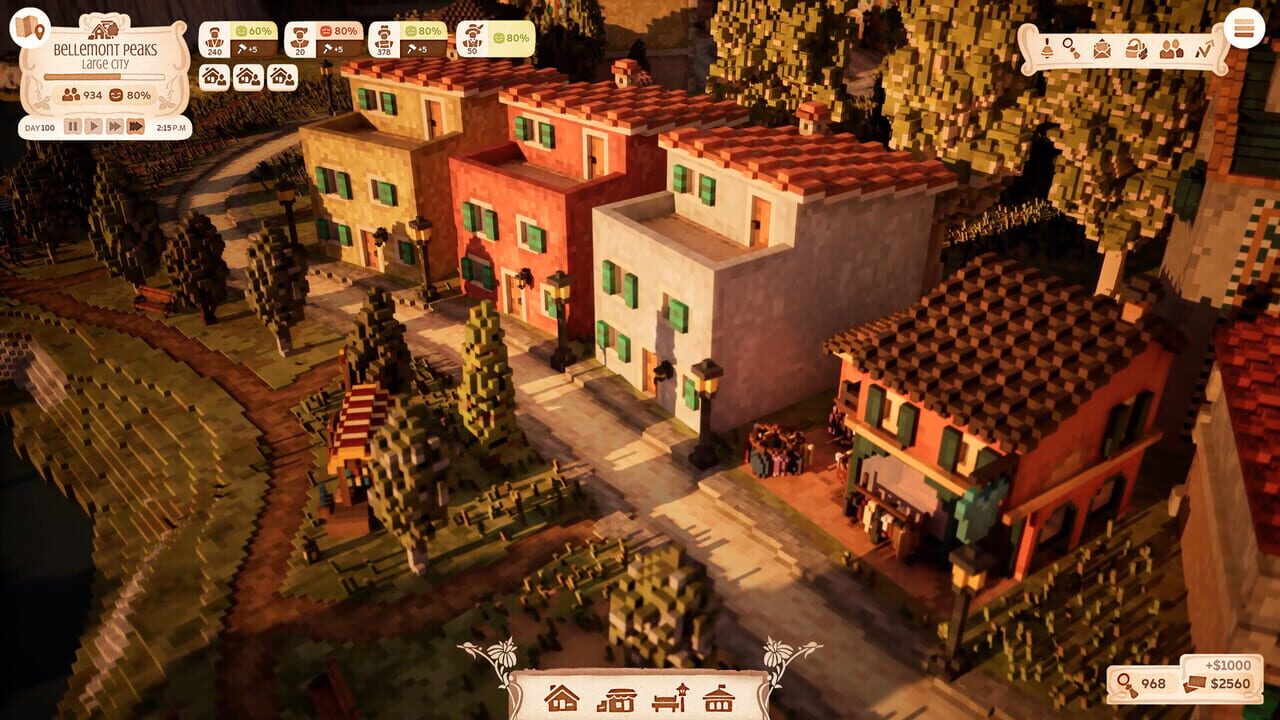
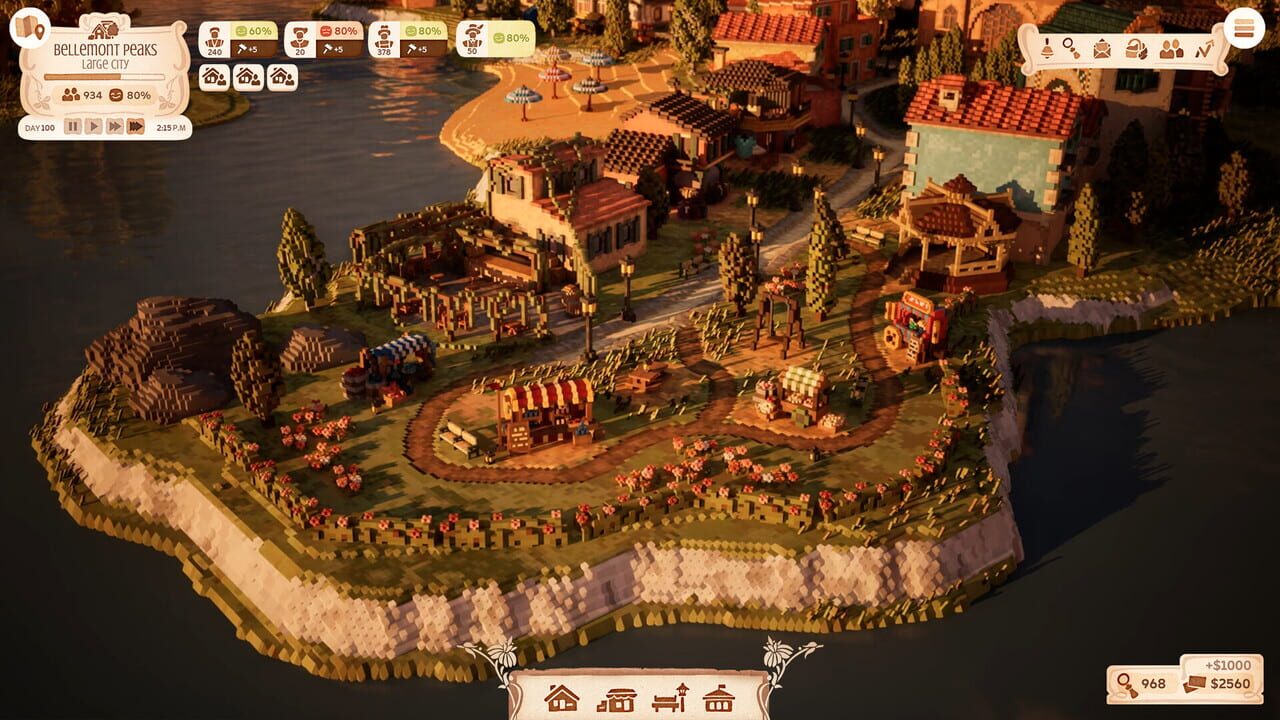
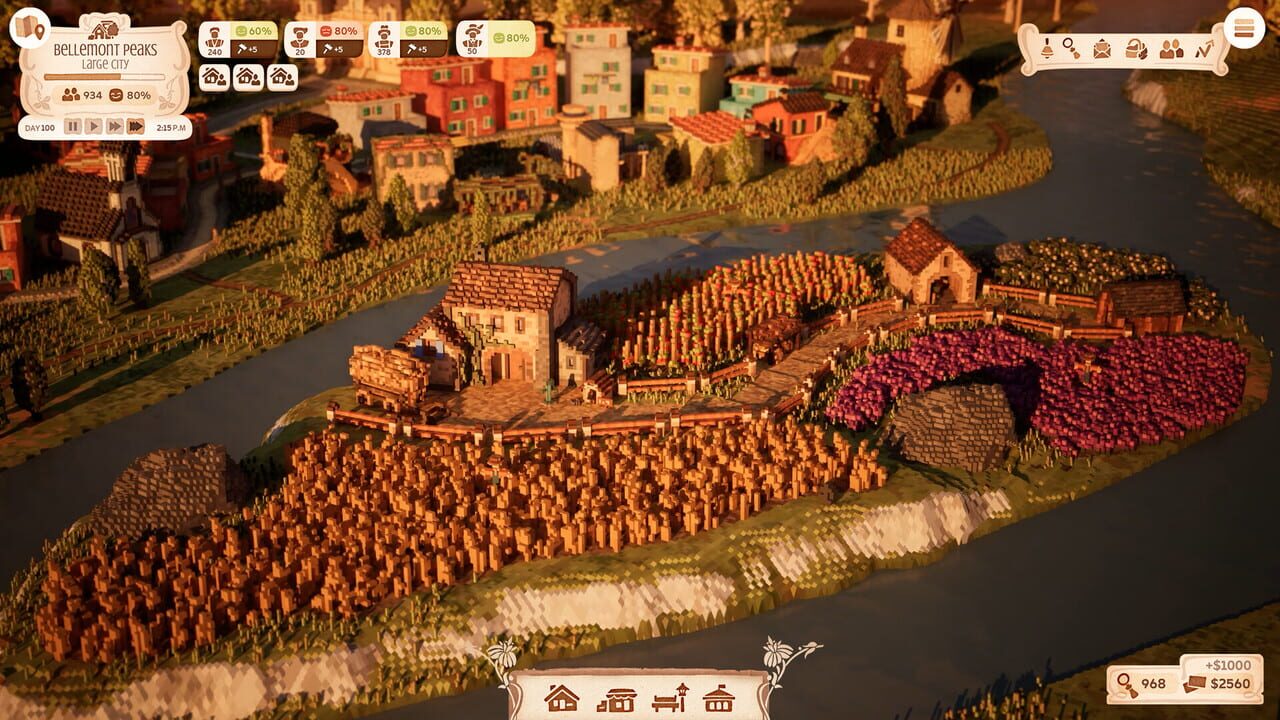
Town to City, the city-builder released by the small studio Flatworks Games in May 2026, is a competent recent entry in a genre that has been continuously commercially active since the original SimCity in 1989. The game's design pitch - grow a settlement from a small town into a thriving city through careful placement of residential zones, commercial districts, industrial areas, and the road infrastructure that connects them - is the genre's standard pitch. The interface is the genre's standard interface. The mechanical feedback is the genre's standard mechanical feedback. A road clicks into place. The simulated population responds. The economic indicators tick upward. The player feels, in the small dopaminergic register the genre has refined across thirty-five years, the specific pleasure of having designed a city that works.
The frame this essay wants to give the reader is that this pleasure has a specific cultural-political content that the surrounding cultural conversation about city-builders has been almost entirely failing to name. The pleasure is the pleasure of being a Robert Moses without any of the consequences. The genre has, since SimCity in 1989, been training its audience in a specific kind of administrative omniscience that the actual urban-planning profession had been struggling to walk back from since approximately 1961, when Jane Jacobs published The Death and Life of Great American Cities and made it clear that the top-down planner's perspective the genre takes for granted had been one of the most destructive cultural-political dispositions of the previous several decades.
Once the reader has this frame, the city-builder stops being an innocent simulation of urban growth and becomes legible as a specific kind of cultural artifact: a continuous commercial form for practicing the planner's perspective the actual planning profession has substantially repudiated. The game is not the same thing as the actual practice. The game is, however, training the same cognitive disposition the practice required, in a recreational register that the actual practice's victims would have found grimly unfunny.
Jane Jacobs's foundational 1961 book is the place to start. Jacobs was not a credentialed urban planner. She was a journalist who had been writing for Architectural Forum about urban-renewal projects across the late 1950s and had concluded, through observation of the projects' results, that the prevailing top-down approach to urban planning was producing disaster wherever it was applied. The Death and Life of Great American Cities assembled her observations into a sustained argument that cities work through bottom-up processes the top-down planner systematically misunderstood. The actual functioning city, Jacobs argued, depended on mixed-use streets where commercial and residential activity were interleaved, on short blocks that produced foot-traffic patterns supporting neighborhood retail, on buildings of varying ages that provided housing at varying rent levels for varying populations, and on the constant low-level surveillance she famously called eyes on the street - the casual observation that mutual neighborhood familiarity produced, which was the substrate of the everyday social order the city's functioning rested on.
The top-down planner, on Jacobs's argument, could not see any of this. The planner saw single-use zones, broad avenues for traffic efficiency, large monolithic buildings whose scale matched the planning vocabulary, and the elimination of the small-scale street life the planner regarded as inefficient or unsightly. The result, project after project, was the destruction of the conditions the city had depended on to function. The planner thought the destruction was progress. The neighborhoods knew it was a catastrophe. The fight Jacobs's book started, between the planner's perspective and the neighborhood-based alternative, has continued in the urban-planning literature for the sixty-five years since.
The political-and-cultural consequences of the planner's perspective were not limited to general urban dysfunction. They were specifically and demonstrably racially patterned. Eric Avila's 2014 The Folklore of the Freeway documented at length how the mid-century American interstate-and-urban-expressway program had been routed, with substantial deliberateness, through Black, Latino, and other non-white neighborhoods in city after city. The Cross-Bronx Expressway through East Tremont. The Interstate 81 viaduct through the Black Fifteenth Ward of Syracuse. The North-South Freeway through the historically Black Tremé in New Orleans. The Embarcadero Freeway through Chinatown and North Beach in San Francisco. The pattern was not accidental. The planners had calculated that politically less-powerful neighborhoods would offer less resistance to demolition, and the planners had been correct. The expressway program had functioned, across the second half of the twentieth century, as one of the largest single transfers of harm from white middle-class populations (who benefited from the suburban-to-urban commute the expressways enabled) to non-white working-class populations (whose neighborhoods were cleared to build them) in postwar American history. The transfer was conducted by people sitting in offices, drawing on maps, in the same posture the city-builder game places the player in.
The 1960s and 1970s saw what the urban-history literature calls the freeway revolts: organized neighborhood resistance to planned urban expressways in cities across the United States. Raymond Mohl's 2004 survey Stop the Road documents the revolts in San Francisco, Boston, New Orleans, Baltimore, Memphis, Washington DC, and other cities. The revolts succeeded in some places (the cancellation of the Embarcadero extension in San Francisco, the cancellation of the I-95 spur through downtown Washington) and failed in others (the completion of the Cross-Bronx, the I-94 through St. Paul's Rondo neighborhood). The pattern of where the revolts succeeded - predominantly in cities where the planned routes ran through politically organized middle-class neighborhoods - confirmed the broader analysis. The expressways got built where the residents could not stop them.
This is the actual cultural-historical context within which the city-builder genre, beginning with SimCity in 1989, has been operating for thirty-five years. The genre has, almost without exception, placed the player in the position the freeway revolts were trying to constrain. The player draws roads on a map. The simulated population responds. The simulated population does not, in any way the player has to attend to seriously, organize politically to resist the roads. The neighborhoods the roads run through do not have racially patterned vulnerabilities the game asks the player to consider. The cleared land was not anyone's home in any way the game's interface registers. The Cross-Bronx, in the genre's standard interface, would be a green-color zone that the player would convert into a transportation route with a single mouse drag, and the population's response would register as a small numerical change in commute efficiency on the dashboard.
The genre has done this consistently because the form requires it. The fantasy the city-builder offers is the fantasy of administrative omniscience: of being the planner who can see the whole city at once and modify it from above with no resistance. The fantasy is genuine, and the satisfaction of practicing the fantasy across a forty-hour campaign is the cognitive payoff the genre has been refining for three and a half decades. Town to City participates in the form. It does not, on the available evidence, do anything substantially different.
This is not, on a fair reading, an indictment of the genre. The genre is a recreational form, and the recreational form is allowed to offer pleasures the participants' actual political lives could not safely enact. People play war games without becoming generals. People play medical-emergency games without becoming surgeons. The recreational practice of administrative omniscience is a legitimate use of leisure time, and the city-builder's contribution to the audience's cognitive ecology is not eliminated by the observation that the contribution is one-sided.
What the genre has been less successful at, and what the political reading of the form licenses an honest reader to notice, is the question of what the cumulative training in administrative omniscience does to the player's actual cognitive disposition about real urban environments. Most city-builder players are not planning to become planners. Most city-builder players are, however, voting citizens of real cities, with views about real urban policy, and the cognitive disposition the genre trains may have small effects on those views over time.
The political scientist James C. Scott, in his 1998 Seeing Like a State, gave the broader framework for thinking about this. Scott's central argument was that the modern state, across the past several centuries, has been progressively developing what he called legibility - the capacity to make populations, territories, and economic activity visible and measurable from a central administrative perspective. The legibility-producing operations (cadastral surveys, censuses, standardized weights and measures, scientific forestry) have been historically continuous and politically consequential. Scott's argument was that the planner's perspective the state cultivated produced specific kinds of disaster wherever it failed to be supplemented by the local knowledge that the legibility operations had necessarily excluded. The disasters were not failures of intelligence. They were failures of the planner's perspective to integrate the bottom-up information the actual functioning of the system had required.
The city-builder game is, in Scott's vocabulary, a recreational form for practicing the legibility-producing perspective the state has been cultivating for centuries. The player sees the city from above. The information is summarized. The simulation responds to the player's interventions in the cleanly-modeled way the planner's perspective always wished the actual city would respond. The fantasy is a fantasy because the actual city does not respond this way, and the planner's perspective has been catastrophically wrong about real cities, repeatedly, exactly because the bottom-up information the perspective excludes turns out to be where the actual functioning of the city lives.
Christopher Alexander, in A Pattern Language (1977), made the broadest version of this argument from the architectural side. Alexander's claim was that successful built environments - at scales from individual rooms through buildings, neighborhoods, towns, and cities - emerged from the application of a relatively small set of design patterns that captured what the bottom-up knowledge of how spaces actually work had taught. The patterns were not invented by planners; they were observed by Alexander and his collaborators from the careful study of places that worked. The implication for top-down planning was that the planner who designed without reference to the patterns produced spaces that did not work, and that the patterns the planner did not know existed had been the substrate the working spaces depended on.
This is the part of the analysis where Town to City and the wider city-builder genre could, in principle, do something more interesting than the genre has typically done. A city-builder that took the bottom-up perspective seriously - that included emergent neighborhood organization, simulated displacement resistance, made the consequences of placement choices durable in ways the player's interface could not undo - would be playing against the genre's main pleasure. The player would no longer be the planner-from-above; the player would be one node in a complex political ecology where the planner's decisions had to be negotiated with the populations affected. This game would be substantially less satisfying in the standard city-builder register. It would also be substantially more politically informative. The genre has not, in thirty-five years, produced many of these. Town to City is, on early reports, not one of them.
What the reader can take from this, more usefully than a recommendation to play any specific game, is a small shift in how the next city-builder session can be experienced. The roads the player draws are choices. The choices have, in the actual cases the cultural-historical record documents, consequences the game's interface is not designed to register. The pleasure of placing them is the pleasure of an administrative perspective the actual urban-planning profession has been struggling to walk back from for two generations. The pleasure is legitimate as recreational pleasure. The pleasure is worth noticing as the specific cultural-historical thing it is, rather than as the neutral entertainment the genre's marketing has typically framed it as.
The Cross-Bronx Expressway still runs across the Bronx. The neighborhoods Moses cut through are still partly uninhabited. The pencil mark on the 1948 map is still visible from the air, in the shape of the highway and the shape of the disinvestment that followed it. The city-builder game session that begins this evening, in someone's apartment, will involve placing many roads. The placement will feel weightless. The weightlessness is the part of the form most worth attending to, because it is the part of the form the historical record has been arguing against for a century.