
The list of writers, philosophers, scientists, and engineers who have done their best thinking while walking is long enough that it stops being a list of individuals and becomes a list of professions. Rousseau wrote that he could only think while walking, and stopped being able to write the moment he sat down. Nietzsche said that all truly great thoughts are conceived by walking. Wordsworth composed most of his major poems on foot, on the same circuits of the English Lake District he walked for decades. Virginia Woolf walked London. Henry David Thoreau walked Massachusetts. Charles Darwin built a quarter-mile gravel path at his Down House so he could walk while thinking, and counted his most productive thoughts in laps. The poet Mary Oliver walked the New England woods for sixty years. Steve Jobs took meetings on walks. The neurologist Oliver Sacks walked Manhattan in his lunch hours, the philosopher Daniel Dennett walks the Maine coast, the writer Geoff Dyer walks wherever he lives. The pattern is not a coincidence. The pattern is one of the most consistent findings about human cognition that has ever existed, and the cognitive science has, in the past decade, begun to confirm what the writers have been saying about walking for centuries.
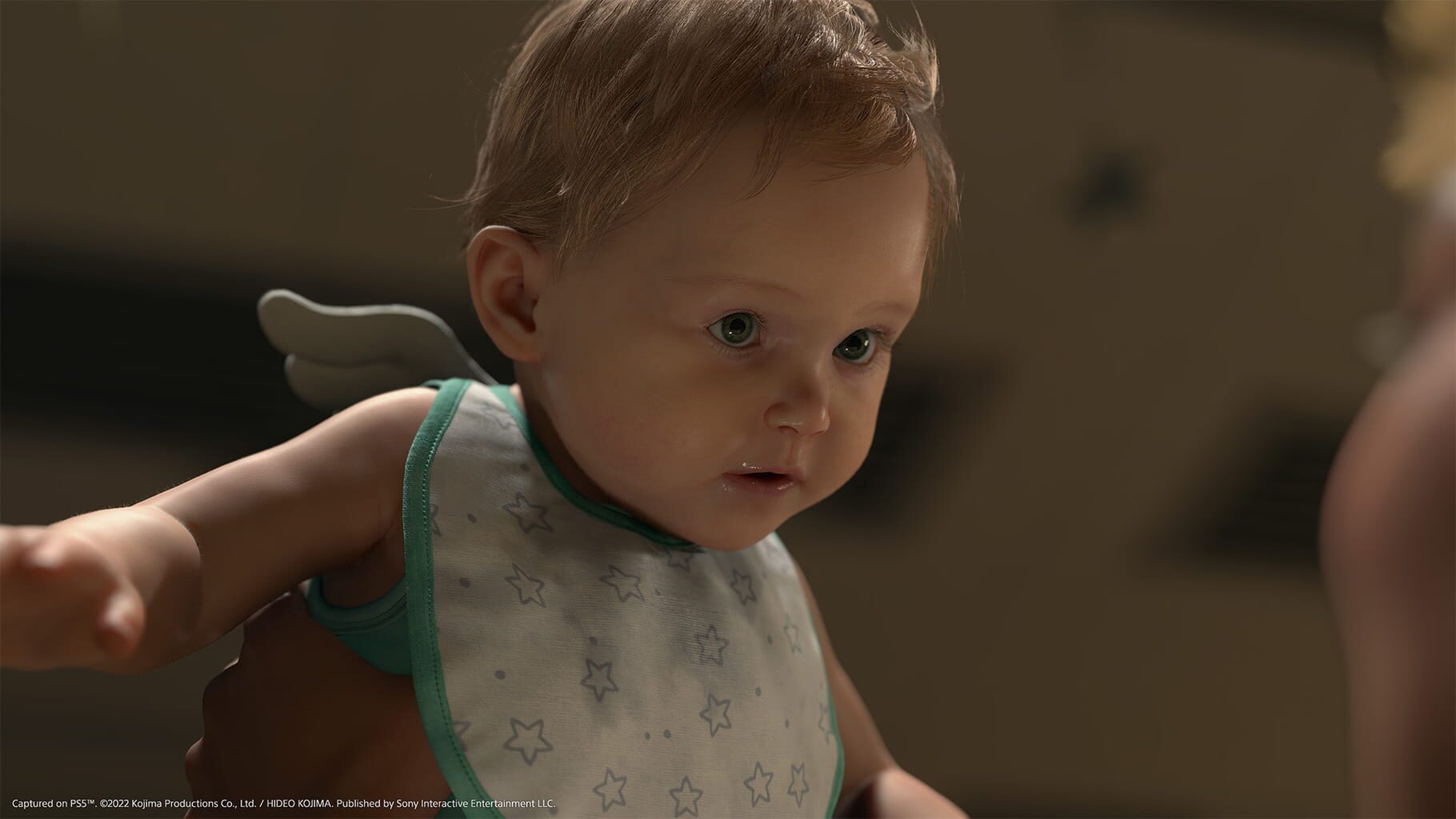
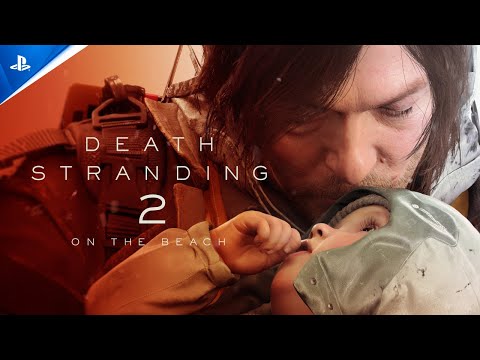
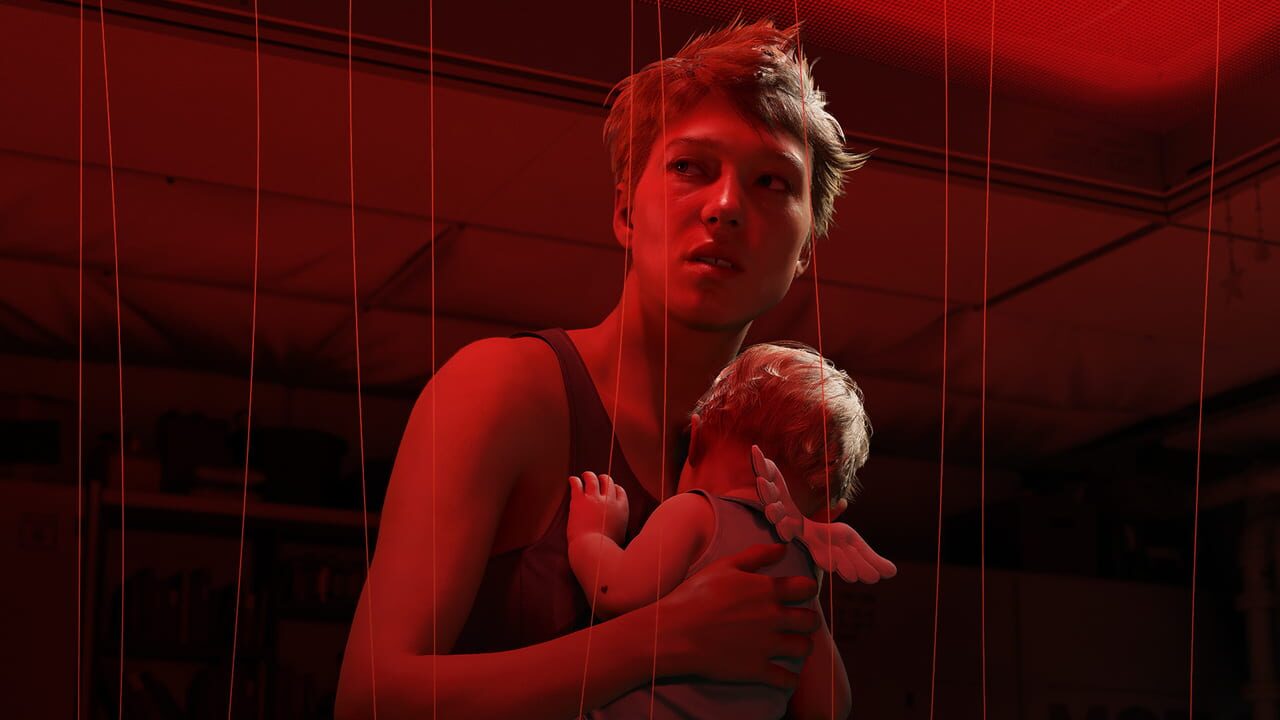
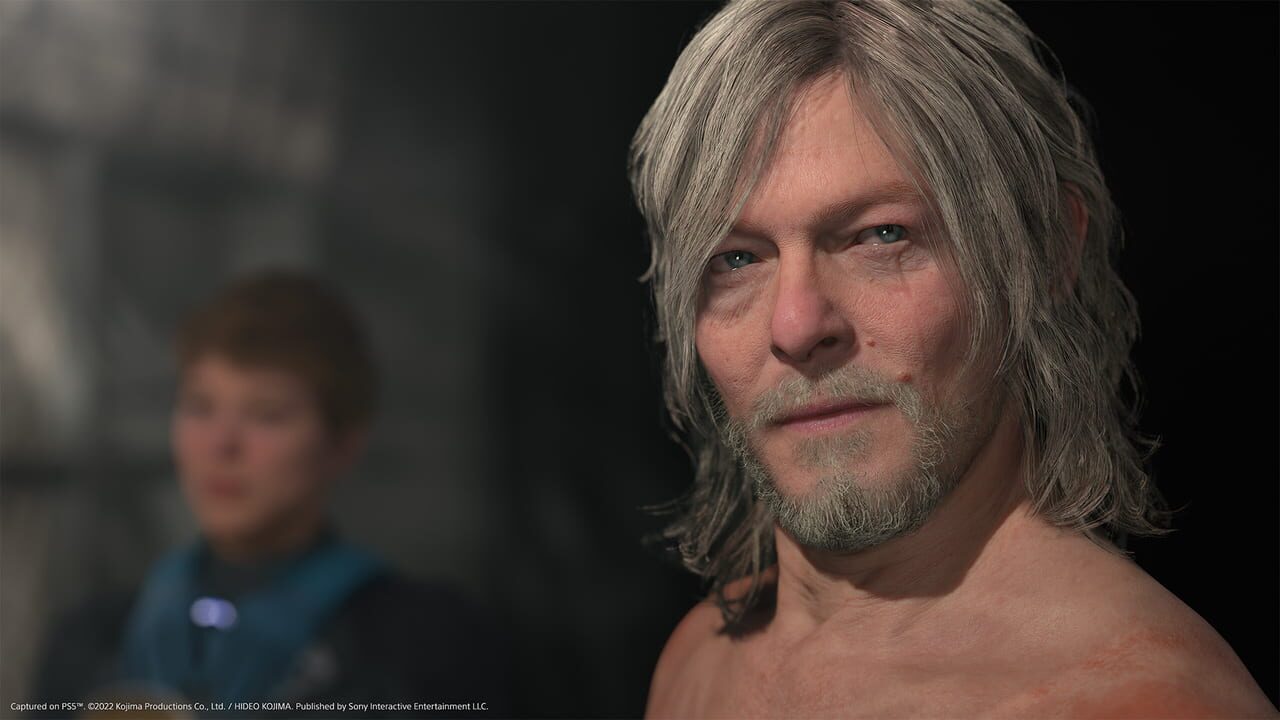
The frame this essay wants to give the reader: walking is not the time between the thinking. Walking is, at the body's natural pace, the time the thinking happens. The contemporary cultural environment has been steadily reducing the opportunities most adults have to walk in the conditions that make this work, and the reduction has cognitive consequences most readers can feel without quite being able to name. Death Stranding 2, the 2025 sequel to Hideo Kojima's 2019 first-person-walking-simulator-disguised-as-action-game, is the only major commercial video game series that has ever taken this proposition seriously as the design's actual content. The game is, in this register, less strange than the casual reception has made it look.
This is the kind of frame that travels. The reader who finishes this essay can apply the question to their own life. When was the last time the reader walked, at the body's natural pace, for thirty minutes or more, with no phone, no podcast, no destination forcing the pace? What did the reader notice happened to their thinking during that walk? The pattern is consistent enough that most readers will, on reflection, recognize the effect. The contemporary life has been making it harder to access the effect, mostly without naming what is being lost.
The cognitive science on this has accumulated steadily over the past decade. The most-cited study is Marily Oppezzo and Daniel Schwartz's 2014 paper from Stanford, "Give your ideas some legs." Oppezzo and Schwartz ran a series of experiments comparing creative-thinking performance between participants who were walking and participants who were sitting. The creative tasks were standard tests in the cognitive-psychology literature, including divergent-thinking measures and analogy-generation tasks. The walking participants outperformed the sitting participants substantially across multiple experiments, including conditions where the walking was on a treadmill in a featureless room (controlling for the possibility that the effect was just about being outside or seeing varied scenery). The walking, in itself, produced measurably better creative performance. The effect persisted for a short period after the walking stopped. The effect was, in the paper's careful framing, robust and replicable.
The mechanism, on the cognitive-psychology research the paper drew on, is roughly the following. Walking at the body's natural pace is a specific kind of low-grade rhythmic activity that the brain's motor systems handle automatically. The walking does not require conscious attention. The motor cortex coordinates the legs and the balance, the visual cortex monitors the path, the proprioceptive system tracks where the body is in space. None of this requires the prefrontal cortex's higher-cognitive resources. The prefrontal cortex is, during the walking, freed up. The freed-up cognitive resources are what produce the specific creative-thinking effect Oppezzo and Schwartz documented.
This is, in different vocabulary, what Rebecca Solnit was arguing in Wanderlust (2000), the cultural-historical work on walking that remains the standard English-language treatment. Solnit's claim, drawn from her own walking practice and from her reading of the long literary tradition, was that walking at the body's comfortable pace produces a specific cognitive condition that other kinds of motion do not. The condition is not introspection in the Cartesian sense and not blank distraction. It is a state in which the body's automatic management of the terrain frees a portion of the mind for sustained, undirected, associative thought. The walker is not thinking about the walking. The walking is what lets the thinking happen.
What Solnit was naming in the cultural-historical register, and what the Oppezzo and Schwartz paper documented in the experimental register, is the same phenomenon. The walking is the substrate. The thinking is what the substrate makes possible. The phenomenon is, on the available evidence, real, robust, and one of the more consistent findings in the cognitive psychology of creative cognition.
This is the part of the analysis where the cultural-historical conditions become relevant. The fraction of contemporary adult life spent walking at the body's natural pace, without phones, without earbuds, without destinations forcing the pace, has dropped substantially across the past two decades. The phone is in the pocket. The earbuds are in the ears. The destination is being timed by the navigation app. The walking is, where it still happens, mostly being interrupted by the small attention-grabbing operations of the contemporary digital environment that the walker is carrying around. The walking-as-cognitive-practice substrate the historical record was documenting has been substantially withdrawn from the contemporary adult life, mostly without anyone making an explicit decision to withdraw it.
The implication is not, in any reductive sense, that contemporary adults are stupider than their walking ancestors. The implication is that contemporary adults are doing less of one specific kind of cognitive work that the historical record suggests was central to the productive intellectual life of previous generations. The work is the undirected associative cognition that walking enables. The work is what Rousseau and Wordsworth and Darwin and Jobs were doing on their walks. The work is, on the cognitive-psychology evidence, a real and important part of human creative thinking. The work has been substantially withdrawn from the contemporary adult life.
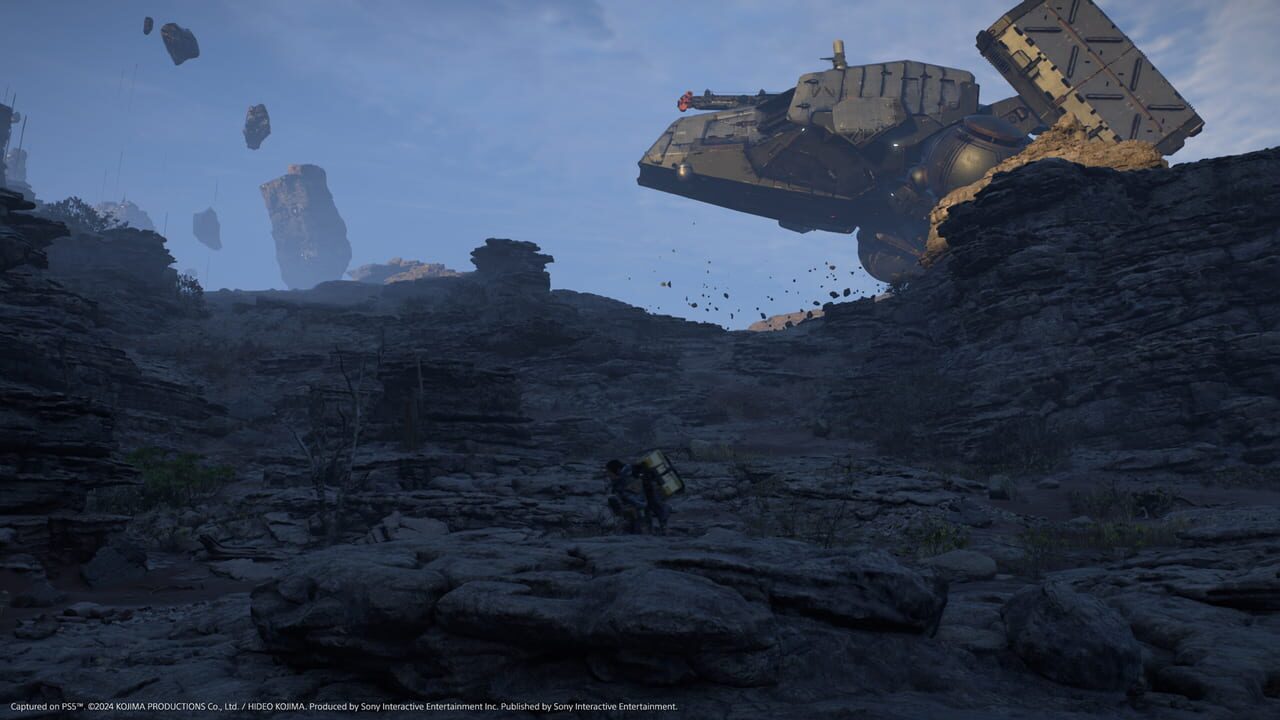
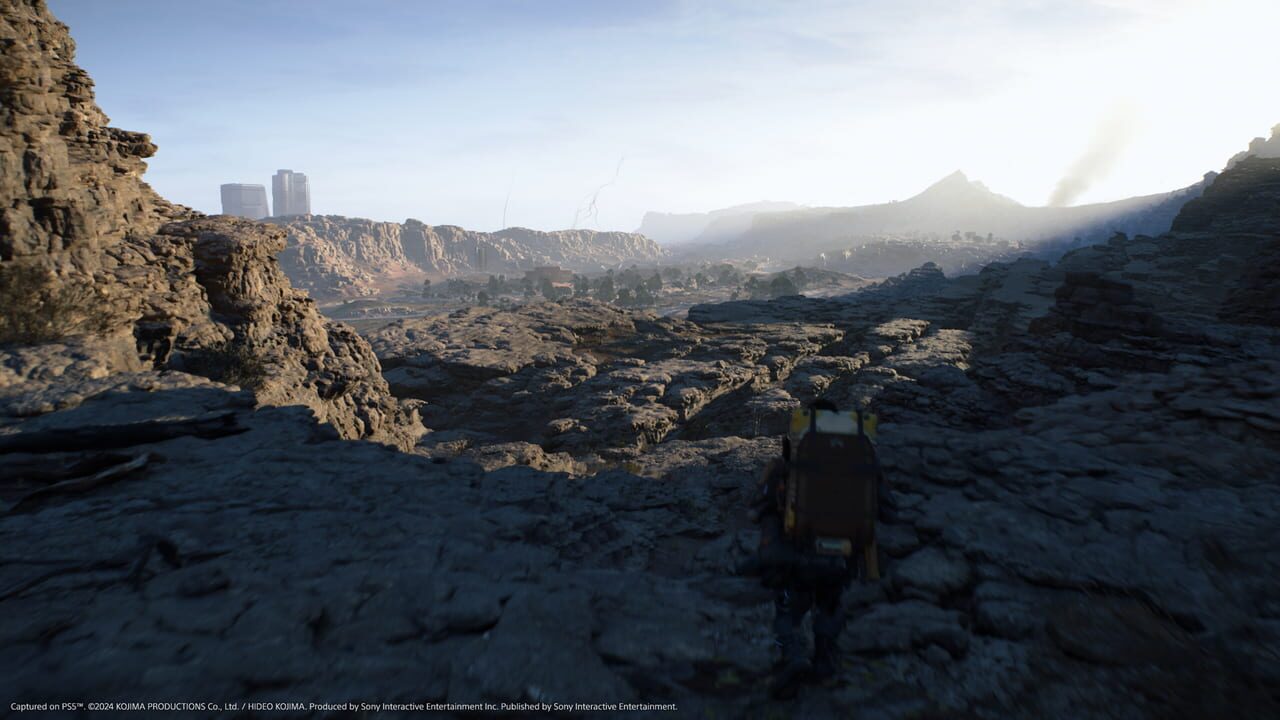
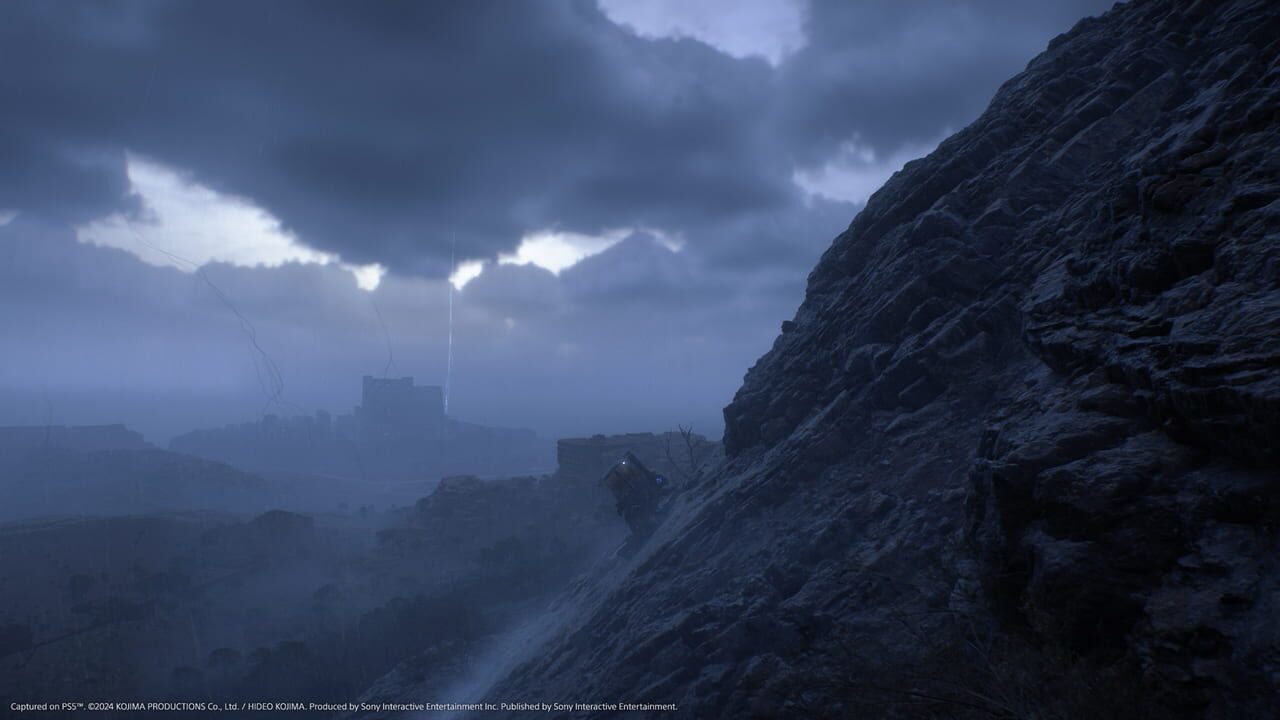
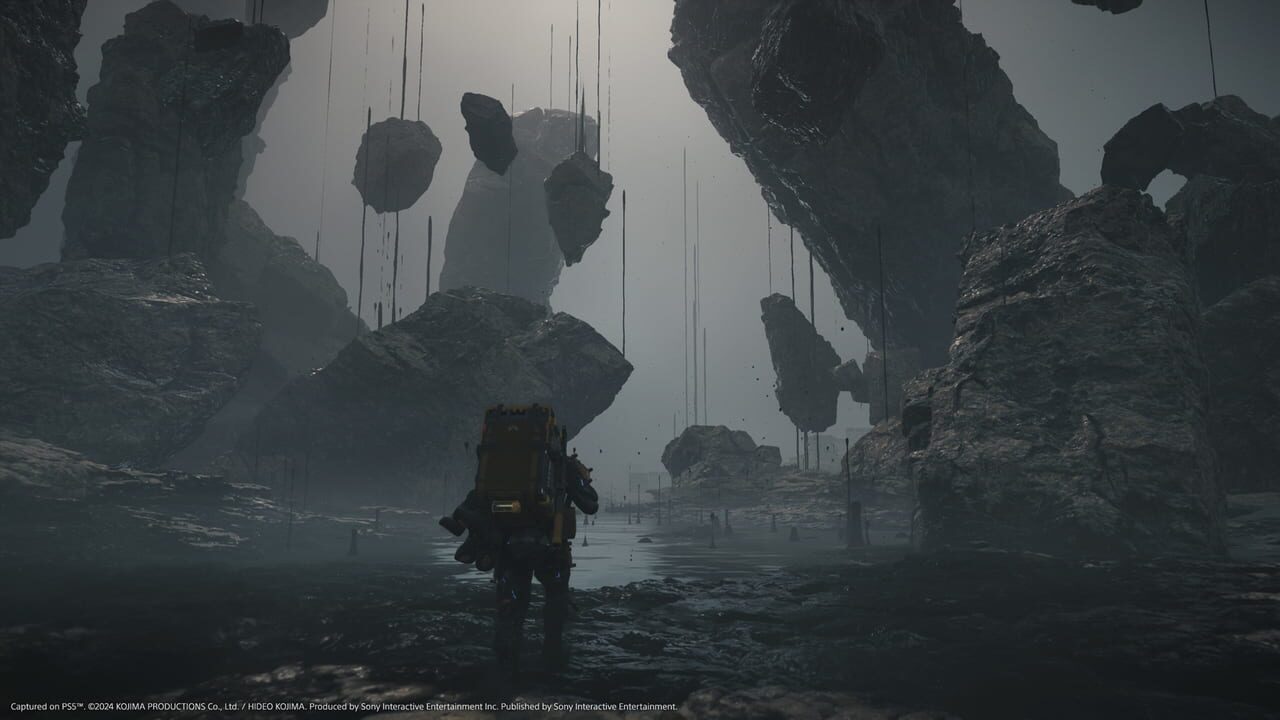
This is the historical situation Kojima's two Death Stranding games are doing something specific about. The games are the only major commercial video game franchise that has taken walking seriously as the primary verb. Forty hours of campaign play in either game are forty hours of attending to a body moving across a landscape at a body-paced rate, with the design carefully calibrating the body's cargo balance, terrain negotiation, and pace to keep the player attending to the walking as the activity. The cutscenes, when they happen, are not the redemption of the walking. The cutscenes are the small interruptions of the walking during which the narrative information gets delivered before the walking resumes. The walking is the activity. The cutscenes are the breaks.
This was, in retrospect, the harder part of the 2019 original to articulate clearly, and one of the reasons the critical reception of that game split as sharply as it did. The reviewers who read the game as a meditative achievement whose slow pacing was the point were partly correct, but were not quite naming what the slow pacing was producing in the player. The reviewers who read the game as a tedious traversal grind that the cutscenes redeemed were partly correct that the cutscenes were the most narratively dense parts, but were missing that the design was structurally treating those cutscenes as the breaks. The vocabulary the conversation needed was the cognitive-psychology vocabulary about what walking does to the cognitive system that does it. The vocabulary was not in the conversation. The design's intent was hard to read without it.
Death Stranding 2 has clarified what the franchise has been doing. The new game's combat, which the early reception read as a concession to mainstream action-game expectations, is on closer reading the design's argument that the walking is not always available, and that the conditions under which the walking is available are themselves contested. The terrorist factions and corporate-paramilitary patrols the porter sometimes has to fight through are the design's way of saying: the walking is not the form's secret real activity revealed at last. The fighting is what the walking requires when the world has stopped letting the walking happen automatically. The walking remains the form's primary commitment. The fighting is what the walking sometimes costs when the conditions under which walking is possible have been threatened.
This is, on a careful read, the franchise's most useful contribution to the cultural conversation. The contribution is the proposition that walking is one of the small cognitive-practice substrates the contemporary adult life has been withdrawing, and that recovering the practice is worth thinking about deliberately. The games do not lecture about this. The games make the player do it, for forty hours, in conditions where the body keeps having to attend to the walking as the activity. The player who has spent forty hours operating Sam Bridges across the franchise's two games has been doing, in the small interactive way the medium permits, a version of what Rousseau and Darwin and Sacks were doing on their actual walks. The cognitive practice the player has been engaging with is the practice the writers and scientists were engaging with. The medium is fictional. The practice is real.
The further argument the franchise makes, more visibly in the second game than in the first, is that walking is a relationship with mortality. The walker who walks well has accepted that the body has been given a finite number of steps and that the steps are how the body spends the time it has. Sam Bridges, by the time the player meets him at the start of the new game, has been walking for many years. He has lost people. His body is older. His knees register the falls. He has accepted that walking is what his life has been organized around, and the acceptance is at a particular point in its long arc.
The American social neuroscientist John Cacioppo, whose 2008 book Loneliness consolidated two decades of research on prolonged solitude, made the foundational contemporary argument about what sustained social isolation does to the human nervous system. The work matters here because Sam Bridges, as the new game presents him, is a body that has been carrying the physiological cost Cacioppo documented for a long time. The hands shake before the gun comes up. The breathing patterns under cargo have changed. The dialogue choices are dialogue choices of a man whose social vocabulary has thinned to the few people who have stayed in his life across the years.
The Japanese walking traditions Kojima has been working inside, particularly the henro pilgrimage circuit around Shikoku and the Edo-period long-distance walking practices documented in works like Matsuo Bashō's travel diaries, have always understood that the walker who walks well is the walker who has accepted that the steps are finite and that the attention is the only thing the walker can give them. The porter in the second Death Stranding game has accepted this. The body keeps moving. The cognition keeps happening. The walking is the life.
The reader who finishes this essay can take several useful things from it. The first thing: the next time the reader notices they have not walked for thirty minutes at body-pace without interruption in some time, the reader has a small piece of evidence that one specific cognitive practice has been getting less attention in their life than it used to get. The practice is not impossible to recover. It mostly requires turning off the phone and starting to walk.
The second thing: when the reader is stuck on a problem at work, in a relationship, in a creative project, or in any of the other small persistent difficulties adult life produces, the historical record and the cognitive-psychology research converge on a piece of practical advice the standard productivity culture has mostly stopped recommending. Get up. Walk for thirty minutes. Do not bring the phone. Do not listen to anything. Let the body do what the body does. The thinking will frequently arrive on its own.
The third thing: when a contemporary cultural product chooses to organize itself around an activity that the surrounding culture has been withdrawing, the product is doing something more interesting than the standard cultural-product framing makes visible. The Death Stranding games are, in this register, not strange contemplative outliers. The games are one of the few mass-cultural artifacts that have taken seriously a cognitive practice the rest of the culture has stopped recommending. The franchise's commercial success at the scale it has reached suggests that the audience for taking the practice seriously is substantially larger than the publishing arithmetic typically assumes. The games matter, in part, because they have demonstrated that the audience is there.
The screen fades on the porter walking. The cargo is heavy. The terrain ahead has not been mapped. What the design has been arguing for forty hours is that the walking was never the connective tissue between the cutscenes. The walking was the cognition the cutscenes were attempting to render. The pilgrim, the monk, the surveyor, the postal carrier, the parent walking a small child to school, the long-distance commuter on the morning trail, have all been doing some version of what the porter is doing in the snow. The medium has rarely paused to notice. Kojima paused. The reader, after reading this, can pause too.