The clip is still on YouTube, has been on YouTube since the platform began carrying it, and at the time of writing has been viewed a little over twelve million times. The frame rate of the original recording is low. The audio is the audio of a tournament hall with a hand-held camera in it. The match is the Evolution Championship Series 2004 semi-final, Street Fighter III: Third Strike, the American player Justin Wong versus the Japanese player Daigo Umehara. Wong's character is Chun-Li. Daigo's character is Ken. Daigo is at a sliver of remaining health, the kind of remaining health that one stray hit will end the match on, and Wong has activated Chun-Li's Houyokusen super, a sequence of fifteen rapid kicks that, on contact, will deplete the rest of Daigo's life bar without giving him an opportunity to respond. The standard play, at Daigo's level, is to take the chip damage from blocking the kicks and lose. The hit-detection on the sequence is such that blocking the final kick will still end the match. Daigo does not block. Daigo parries.
The parry is the Third Strike mechanic that allows a defender to tap forward at the precise frame an incoming attack lands, redirecting the attack and recovering the moment for the defender's own offense. The frame window is two frames, which at the game's sixty-frames-per-second engine speed is one-thirtieth of a second per attempt. Chun-Li's Houyokusen contains fifteen separate hits, each of which is, from the defender's perspective, an attack landing at a slightly different timing inside the larger animation. Daigo's parry, on the clip, is fifteen successive correct two-frame inputs across the entire duration of the super. The tournament hall registers the parry on the third hit, registers the impossibility on the seventh, and by the tenth has begun a sound that is not, technically, language. The sound continues across the final kicks, peaks when Daigo parries the last one, becomes a different and louder sound when Daigo responds with a counter-combo that exhausts Wong's remaining health, and resolves into the recognisable shape of a roomful of people standing up. The clip ends two seconds after the resolution. The match itself was a semi-final. Daigo lost the final.
The Daigo parry, as the clip is now universally called, is the most-watched competitive gaming moment in the medium's history. It is also a piece of evidence in a story that does not get told often enough about what happened to the fighting game between 1995 and 2009, which is that the genre that the parry was rescuing on that stage was, at the time the parry was performed, a genre approximately three years from commercial extinction.
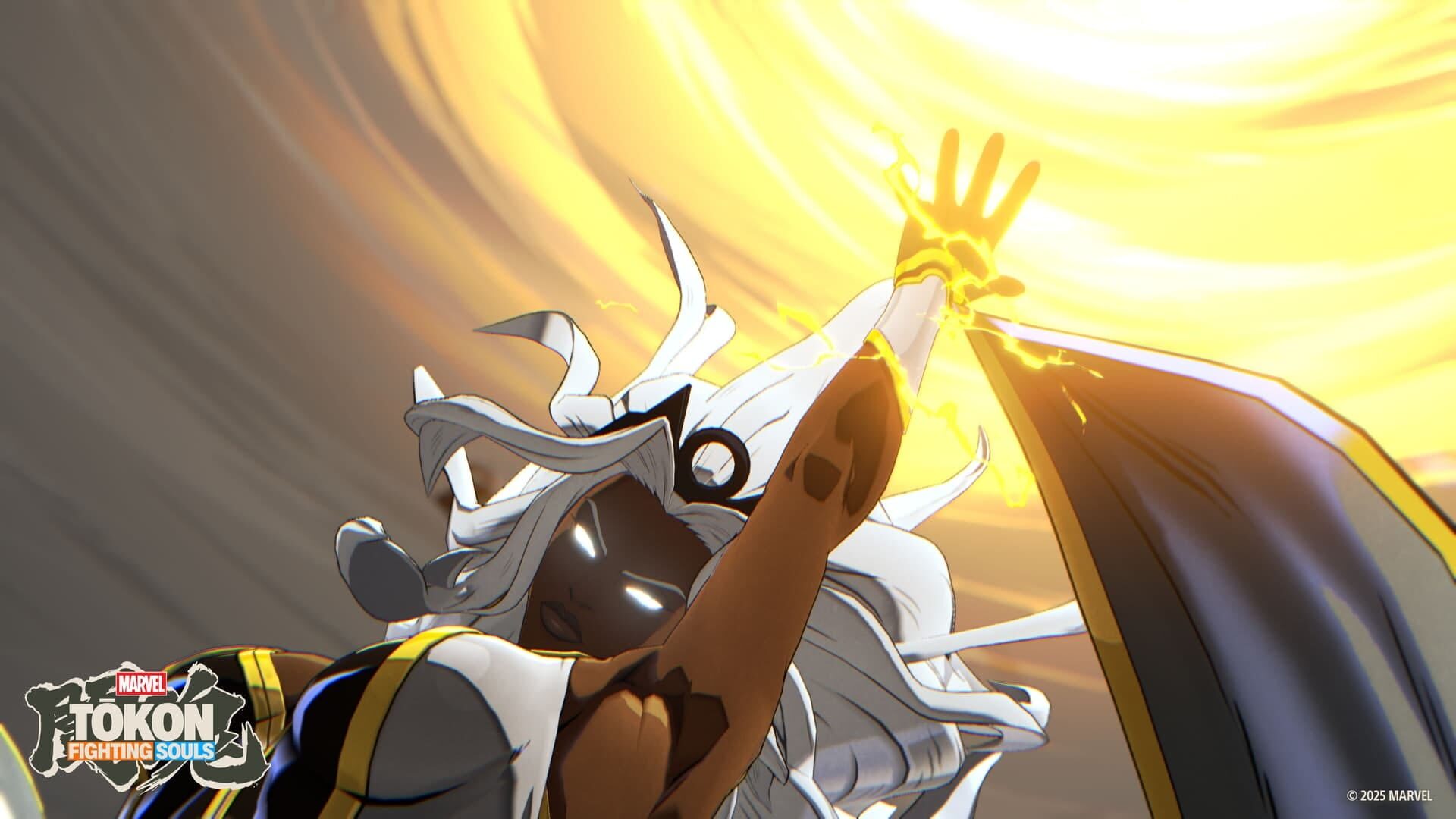
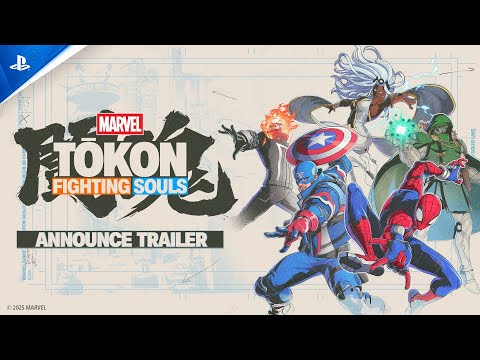
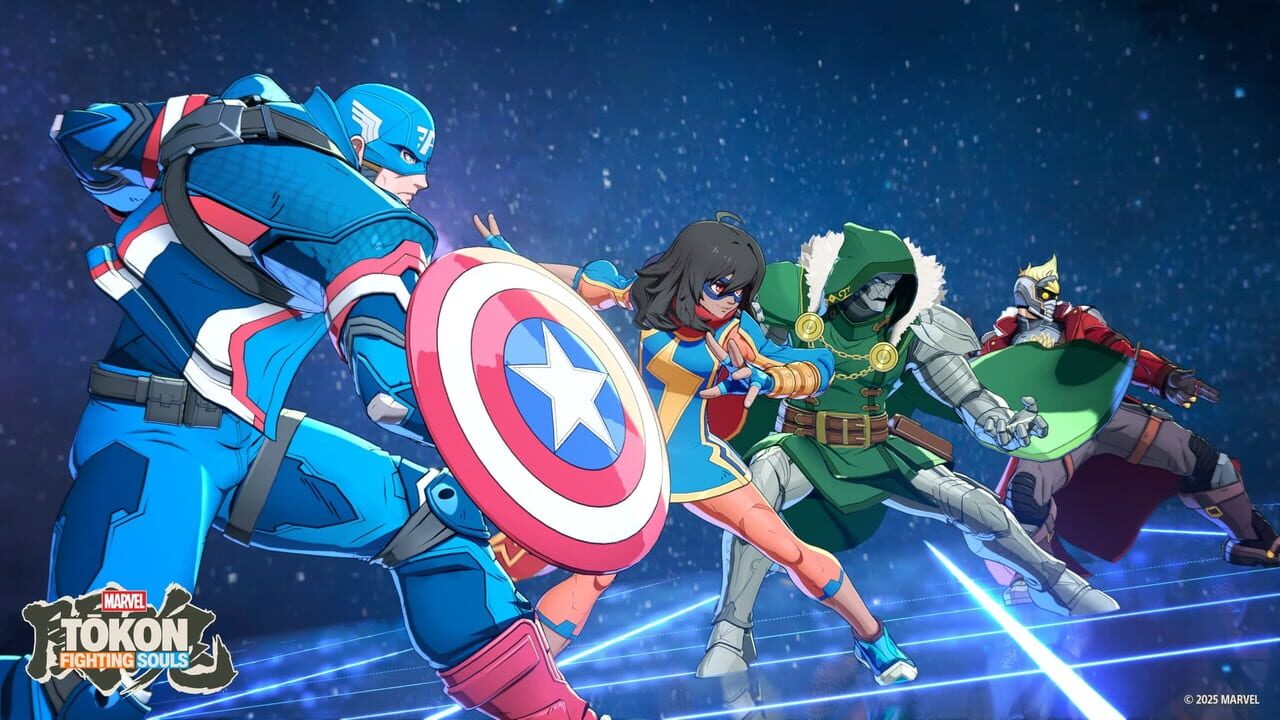
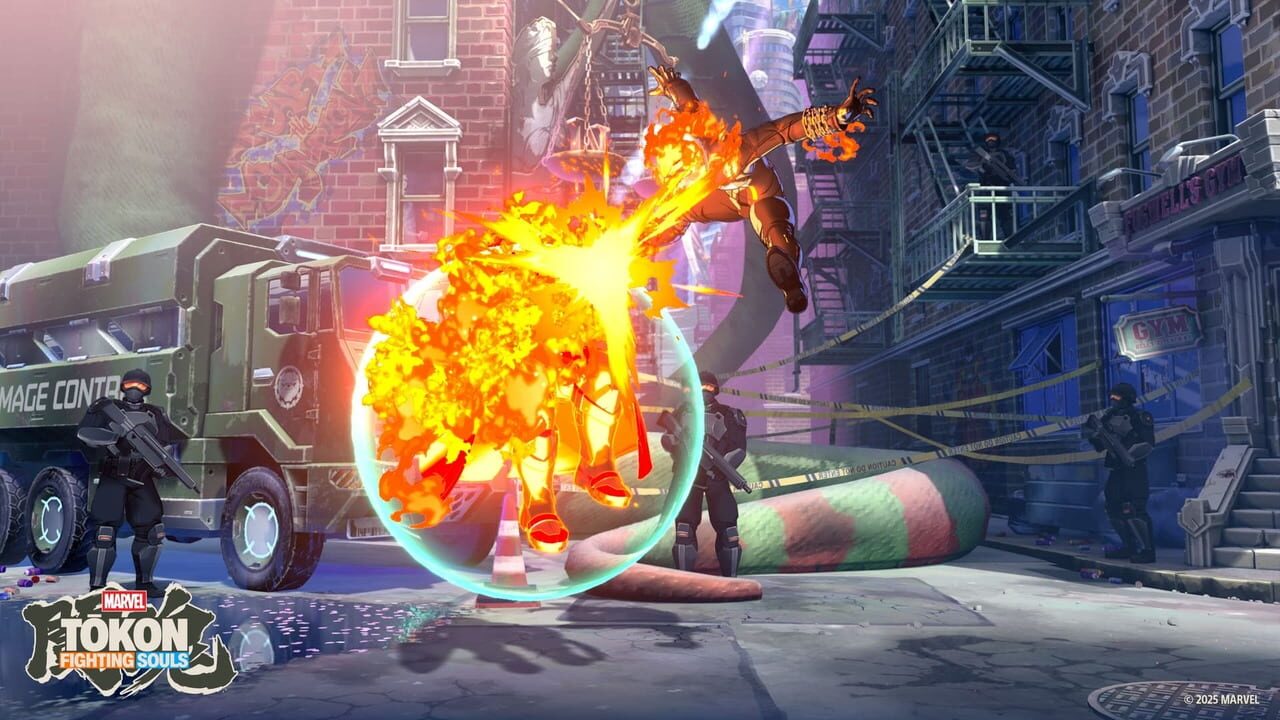
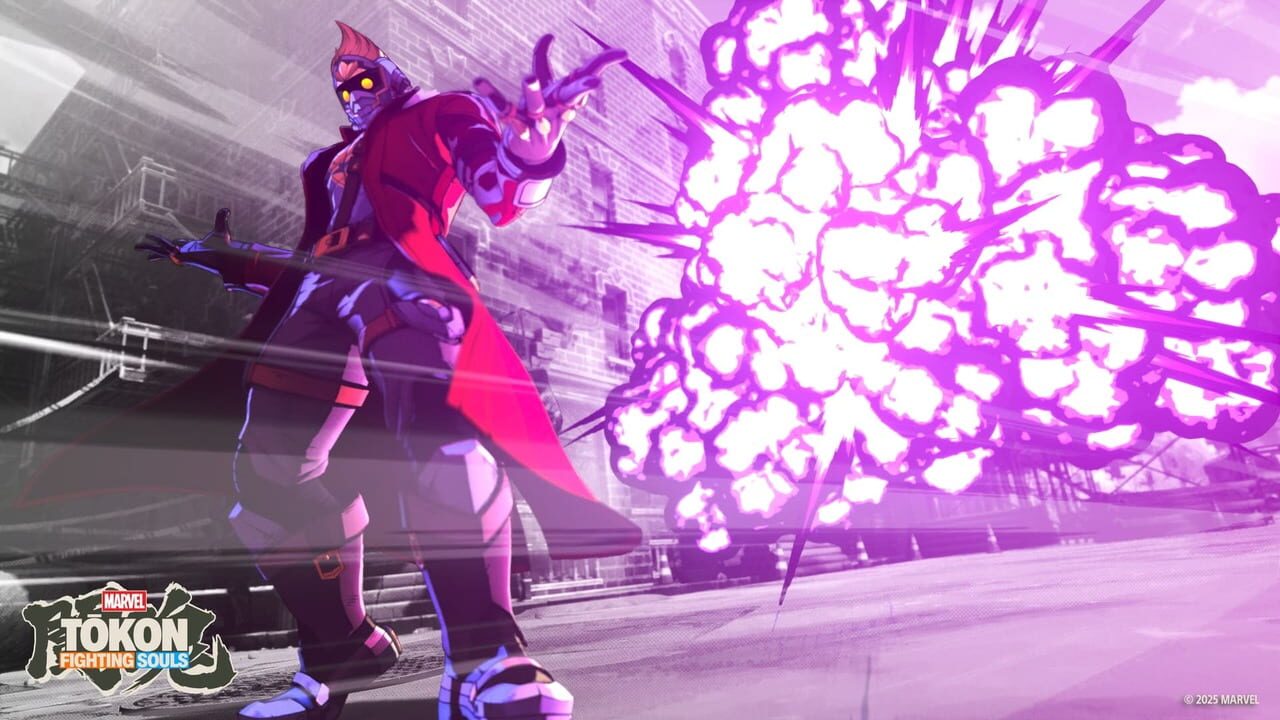
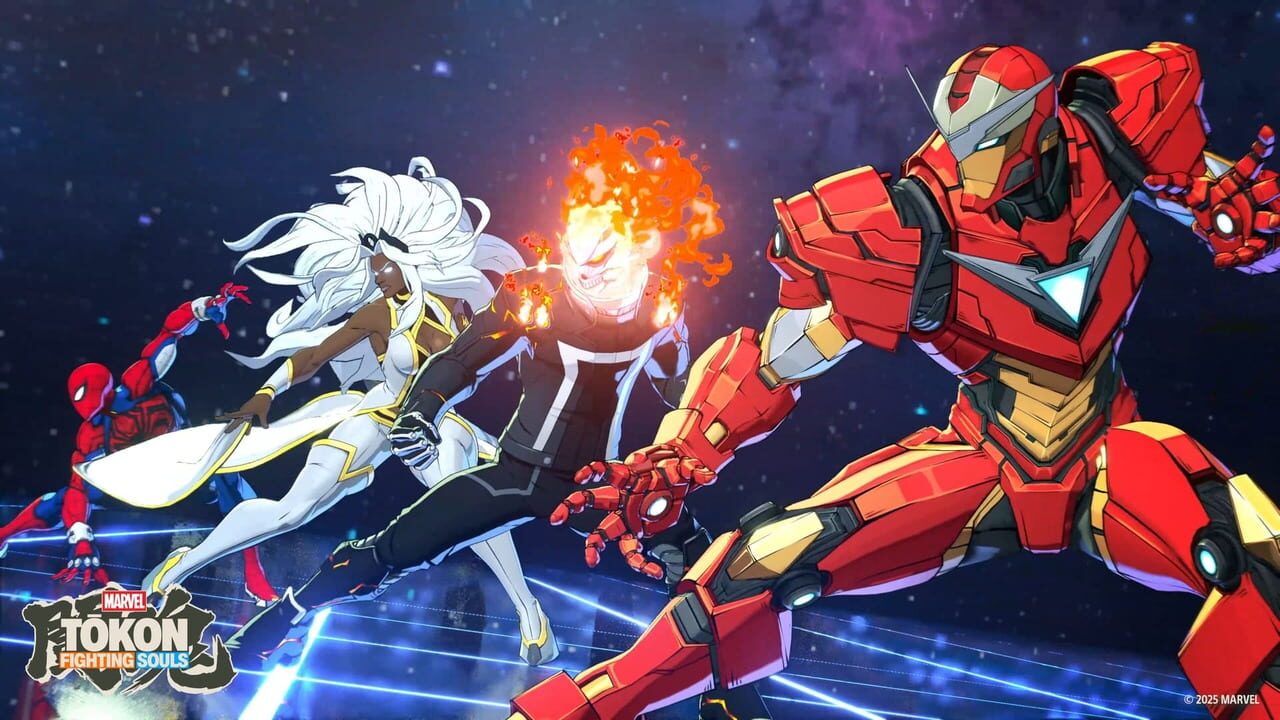
This is a People & Culture essay. Its subject is the dry decade between the commercial peak of the fighting game in the early 1990s and the genre's quiet revival at the end of the 2000s, the specific population of people who kept the genre commercially viable across the period in which the publishers had largely stopped making fighting games at all, and what the eventual arrival of Marvel Tokon: Fighting Souls, the Sony-backed Arc System Works production launching on 6 August 2026, owes to the community labour that carried the genre across the gap. The argument the essay wants to commit to is uncomfortable for the publishers and unflattering for the general audience. The genre survived because a small population of dedicated competitors and tournament organisers refused to let it die, in a period when the audience had moved on and the publishers had calculated that the audience's moving-on was permanent. The community kept the lights on. The publishers came back. The community is now what the publishers are selling to.
Begin with the peak. Street Fighter II: The World Warrior was released by Capcom in February 1991, on the CPS-1 arcade board, and across its arcade and home conversions over the following five years sold somewhere between fifteen and twenty million units, depending on which of the era's reporting methods one trusts. The exact number is less important than the cultural fact the number is a proxy for. Street Fighter II was, between 1991 and 1995, one of the most commercially significant products in commercial entertainment full stop. The arcade machines were profitable enough that bars and laundromats installed them. The Super Nintendo and Genesis conversions were among the system-selling titles for both consoles. The Street Fighter II Animated Movie was released in 1994. The live-action film, an unrelated disaster, was released in 1994 also. The genre Street Fighter II opened spawned the King of Fighters series at SNK, the Tekken series at Namco, the Virtua Fighter series at Sega, the Mortal Kombat series at Midway, and a substantial volume of also-rans, none of which had to look very hard for an audience because the audience was, in the early 1990s, looking for them.
What happened next has been told by different sub-traditions in different ways, but the rough shape is clear. The arcade economy that fighting games had been built on contracted across the second half of the 1990s. The audience that had been willing to put quarters into a cabinet at a 7-Eleven moved into homes with consoles that did not require quarters. The fighting game's commercial logic, which had depended on the per-credit revenue model of the arcade, broke. The genre's centre of gravity shifted, partially and unevenly, to home conversions, which paid the publishers once per buyer and did not pay them again, and which had to compete on the home shelf with the action and adventure games that were starting to take advantage of the 32-bit and 64-bit hardware in ways the fighting game did not require. The publishers adjusted production accordingly. The number of new fighting games released per year began to decline. The marketing budgets behind the ones that did release got smaller. The audience that the genre had reached at peak began to age out, or to lose interest, or to find other things to do with the limited gaming hours of an adult life. By the mid-2000s, the genre that had been one of the biggest categories in the medium ten years earlier was a niche. The remaining audience was, in commercial terms, vanishing.
The Daigo parry happened, in 2004, against this background. The Evolution Championship Series, the tournament the parry was performed at, had been founded in 1996 by a handful of California-based competitive players and tournament organisers, as the successor to a series of smaller fighting-game tournaments that had been running in arcades since the early Street Fighter II era. EVO 2004 had been held at a hotel ballroom near the Los Angeles airport, with somewhere on the order of a thousand attendees, a prize pool funded partly by entry fees and partly by what little sponsorship the organisers had been able to scrape together, and a streaming infrastructure that was a single hand-held camera and a slow upload to whatever video service the organisers were using that year. The audience for the actual tournament was the people in the room. The audience for the clip, once it surfaced on the early-YouTube platform a year later, was much larger. But the people who had built the tournament, paid for the venue, organised the brackets, run the tech, and stayed up all night refilling the snack tables, were a tiny number of dedicated volunteers and semi-professionals operating on what was, in commercial terms, essentially nothing.
The American media scholar T. L. Taylor's 2012 book Raising the Stakes was the first sustained academic treatment of what these communities were actually doing across the dry decade, and Taylor's framework remains the cleanest available account. Taylor's central argument was that the competitive-gaming scenes that emerged in the late 1990s and early 2000s were not merely audiences for the games. They were infrastructure. They were doing the work that, in larger and better-capitalised entertainment industries, is done by leagues, broadcasters, sponsors, and the production apparatus of professional sport. The fighting-game community, the Counter-Strike community, the StarCraft community, the Quake community: each of these had been building, through volunteer labour and improvised technology, a parallel infrastructure for sustaining competitive play that the publishers of the underlying games had not provided and, in many cases, had not even noticed. The publishers were selling units. The communities were running tournaments, producing commentary, training new players, archiving matches, debating tier lists, running ranked-play ladders on third-party platforms, hosting forums, and absorbing into the cultural memory of the scene the cumulative weight of every notable match across a decade of play. The publishers were not paying for any of this. The community was.
Taylor's broader frame extended Henry Jenkins's earlier work on participatory culture, the 1992 Textual Poachers having argued that television fandoms in the 1970s and 1980s had constructed elaborate parallel cultural productions (fan fiction, conventions, dressed-up costume meetups, what would eventually become known as cosplay) around television properties whose corporate owners had treated them as one-way consumer products. Jenkins's framework had been developed for fandoms whose participatory production was largely textual. Taylor's contribution was to apply the framework to a domain where the participatory production was infrastructural: not just additional cultural content around a property, but the actual scaffolding required for the property to continue existing in a form recognisable to the people who had once cared about it.
This is the part of the analysis that explains why the fighting game survived where other genres of its era did not. The shoot-em-up arcade game, which had been the dominant arcade genre before the fighting game and had similar quarter-economics, did not develop the community infrastructure the fighting game did, and the shoot-em-up has been essentially extinct as a mainstream commercial category since the early 2000s. The light-gun arcade game similarly. The fighting game had something the other declining genres did not, which was a competitive structure rich enough to sustain a tournament scene and an audience large enough to populate the brackets. The competitive structure was what the community took hold of. The community was what kept the games being played. The games being played was what made the eventual publisher return commercially viable. The chain ran from competitive structure to community labour to commercial recovery, in that order, and the chain did not run that way for the genres that did not survive the same decade.
Yoshinori Ono, the Capcom producer who had been campaigning internally across the early 2000s for a new mainline Street Fighter, finally got the green light around 2007. Street Fighter IV was released in arcades in July 2008 and on consoles in February 2009. The marketing budget was substantial but the commercial expectations inside Capcom were modest. The game outperformed those expectations. It sold roughly three million copies in its first year across all platforms, which for a fighting game in 2009 was an enormous number, and the subsequent Super and Ultra editions extended the franchise across the early 2010s. The publishers noticed. The other publishers noticed. Within five years of Street Fighter IV's launch, Mortal Kombat had returned, Tekken had returned, the King of Fighters had returned, and a substantial wave of new entries (Dragon Ball FighterZ, Granblue Fantasy Versus, the various Guilty Gear and BlazBlue and Persona 4 Arena releases) had entered the market. The genre's commercial recovery, across roughly 2010 to 2018, was substantially complete.
The recovery's specific shape is what Marvel Tokon arrives inside. The game is being developed by Arc System Works, the Yokohama studio that had spent the dry decade keeping the genre's prestige craft alive through its Guilty Gear and BlazBlue lines, which had been niche but consistently produced across the period in which the larger publishers had been disinvesting. Arc System Works's 2014 Guilty Gear Xrd was the studio's commercial breakthrough into the post-revival market and the moment at which the rest of the industry had to start taking the studio's specific craft seriously. The studio's 2018 Dragon Ball FighterZ was the moment at which a publisher (Bandai Namco) recognised that the studio's craft could be deployed on top of major licensed properties and produce something the licensed-game category had almost never produced before, which was a competitive fighting game with the production values and design rigour of a Street Fighter sequel. The Marvel Tokon arrangement, in which Sony has secured the Marvel fighting-game license from Capcom's lapsed hold on it and contracted Arc System Works to do the development, is the structural successor to the FighterZ arrangement. The publisher with the brand has hired the studio with the craft. The studio has the craft because the studio kept the craft alive across the dry decade. The audience that will buy Tokon for its competitive depth, rather than for its Marvel character roster, is the audience the community-built infrastructure produced.
There is an obvious counter-reading and the essay has to engage it. The counter-reading is that the framework is over-attributing the genre's survival to the community when the more parsimonious explanation is that fighting games came back because the publishers got around to making them again. Capcom decided in 2007 to make Street Fighter IV. The decision was a publisher decision. The community did not make Capcom make the game. The framework above is, on this reading, attributing causal credit to a population that was actually peripheral to the corporate decision that determined the genre's commercial recovery.
The objection is not nothing and the response has to be specific. The framework is not claiming that the community made Capcom make Street Fighter IV in the literal sense of causing the green-light decision. The framework is claiming something narrower. The community made it commercially possible for Capcom to make Street Fighter IV. In a world in which the dry decade had not been bridged by the community labour the EVO tournaments and the FGC streams and the volunteer-run brackets and the cumulative cultural memory of the scene had collectively produced, the audience for a new Street Fighter in 2008 would have been substantially smaller than it actually was, and Capcom's commercial expectations for the project would have been correspondingly more modest, and the green-light would have been correspondingly harder to obtain. The community did not cause the decision. The community had built the conditions under which the decision could be made profitably. The publisher's choice presupposed the community's labour. The community's labour was the precondition for the choice. Both are true at once, and the framework's contribution is to make the second visible alongside the first.
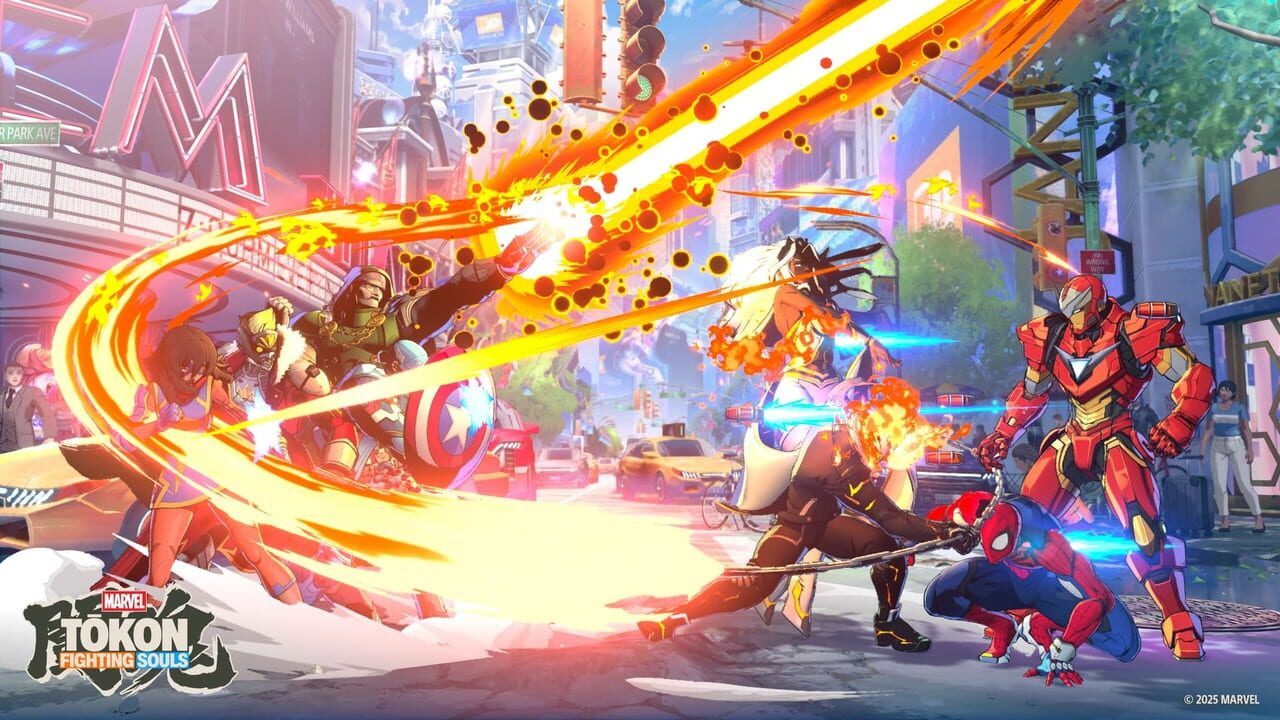
It is worth saying something about what Marvel Tokon is doing specifically with its design, because the design has its own arguments. The game is a four-versus-four tag-team fighter, with a system in which matches begin with one fighter per side and unlock additional team members through mid-match conditions (damage accumulation, "wall breaks" that transition the fight into a new arena). The base roster at launch is twenty characters. The design is in the lineage of the Marvel vs Capcom series specifically: the 1996 Marvel Super Heroes vs Street Fighter, the 1998 Marvel vs Capcom, the 2000 Marvel vs Capcom 2, the 2011 Ultimate Marvel vs Capcom 3, and the 2017 Marvel vs Capcom Infinite, the last of which was a critical and commercial disappointment that effectively ended Capcom's tenure with the Marvel licensing rights. The four-on-four tag mechanic is the design's distinctive contribution to the lineage, and it is doing specific cognitive work the earlier games did not. The player is being asked to hold not two character match-ups in working memory (as Marvel vs Capcom 2's three-versus-three system required) but four, and to track which of one's own characters are available to tag in based on the unlocking conditions the mid-match clock has been delivering. The design is harder than the previous Marvel entries, deliberately so, and the difficulty is calibrated to the post-revival audience that has had fifteen years of online ranked play and tournament infrastructure to develop the cognitive habits the design is asking for. The game would have been too hard for the 2009 audience. The 2026 audience is the audience the community built.
The closing image is therefore not the Daigo parry but its successor. EVO 2025 was held at the Las Vegas Convention Center, with somewhere on the order of eleven thousand attendees, a substantial sponsorship roster including Sony itself, a streaming infrastructure that produced roughly four million peak concurrent viewers across the weekend, and a prize pool that the volunteer organisers of EVO 1996 could not have imagined obtaining for a single tournament. The footage of the Marvel Tokon exhibition match held on the main stage on the Sunday of the event is, at the time of writing, on the platform that absorbed YouTube's competitive-gaming traffic during the 2010s. The exhibition was, by 2025 production standards, ordinary. The thing the exhibition could be ordinary at, the institutional weight the genre now carries that the dry decade had once seemed certain to dissolve, was not ordinary. It was the visible accumulated form of thirty years of community labour. The tournament hall was full. The audience was the audience. The publisher was watching. The genre had not died.